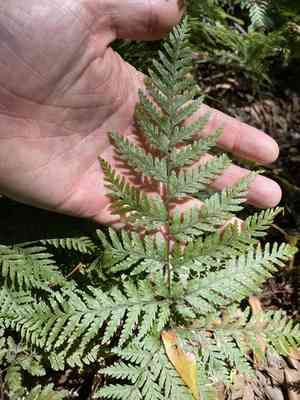
Common ground fern (Calochlaena dubia)
Also known as: False bracken
Common ground fern is a striking fern with broad, triangular fronds that cascade elegantly from a central base. As a moisture-loving species, it thrives in damp, shaded forests where its deep green lace-like leaves unfurl to reveal a delicate underbelly of reproductive spores, vital for its propagation. Its robust rhizomes anchor it firmly amidst the forest's understory competition.
In This Article
Attributes of Common ground fern
Lifespan
Perennial
Plant Type
Fern
Plant Height
0.3 to 1 meter (1 to 3 feet)
Spread
0.5 to 2 meters (1.6 to 6.6 feet)
Leaf Color
Green
Flower Size
N/A - Ferns do not produce flowers.
Flower Color
N/A - Ferns do not produce flowers.
Images of Common ground fern
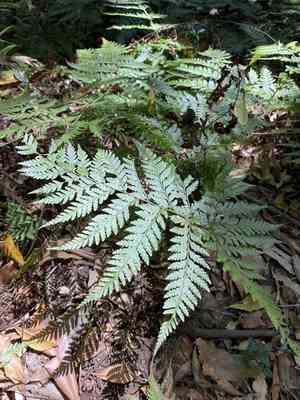
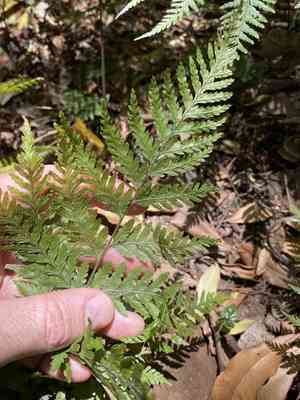
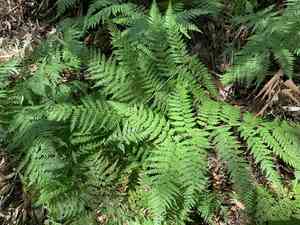
Quickly Identify Common ground fern
1
Look for fern-like fronds that are delicately divided and have a soft, feathery appearance. The fronds typically grow from a central rhizome and create a dense mat over the ground.
Scientific Classification of Common ground fern
Phylum
Vascular plants
Class
Ferns
Order
Polypodiales
Family
Tree-ferns
Genus
Calochlaena
Species
Common ground fern
Planting and Growing of Common ground fern
Care Difficulty
Moderate
Watering Schedule
Every 3 days
Sunlight Requirements
Partial sun
Sunshine Duration
4-8 hours
Ideal Temperature
60-75℉
Soil Type
Potting Mix, Peat Mix
Soil pH
6.5-7.5
Fertilizer Type
Balanced
Pruning Season
Spring, Summer
Pruning Area
Branches, Leaves
Pruning Frequency
2 times a year
Repotting Season
Spring
Pot Type
Plastic, Ceramic
 How to Water Common ground fern?
The watering amount for Calochlaena dubia should approximately be 200 milliliters per session. It is essential to maintain a balance where the soil is moist but not overly saturated. Ensure that the water reaches the root zone without leaving sitting water to avoid root rot. A good practice is to pour water evenly around the base until it starts to drain slightly from the bottom.
What are the symptoms of an underwatered Common ground fern?
›
What should I do if my Common ground fern is not getting enough water?
›
What are the symptoms of an overwatered Common ground fern?
›
How to save an overwatered Common ground fern?
›
 What Are the Sunlight Requirements for Common ground fern?
Calochlaena dubia benefits most from a light range that includes partial sun, providing the right mix of sun and shade to maintain its lush foliage and natural vitality.
How much sunlight does Calochlaena dubia need?
›
How to achieve the ideal lighting conditions?
›
What are the benefits of ideal lighting for Calochlaena dubia?
›
 What Is the Ideal Temperature Range for Common ground fern?
Calochlaena dubia thrives best in temperatures ranging from 60°F to 75°F (15°C to 24°C). Within this range, the plant is able to photosynthesize effectively, maintain optimal growth rates, and develop a robust structure. Providing consistent temperatures in this range mimics the plant's natural environment, ensuring its health and vitality. Deviations can stress the plant, leading to poor growth or diseases.
 What Soil is Best for Common ground fern?
Calochlaena dubia thrives in well-draining soil, which helps prevent root rot by allowing excess water to escape. This characteristic is crucial for the health of the plant, ensuring that roots can breathe and avoid being waterlogged. The plant prefers moderately moist conditions, benefiting from soil that retains some moisture but doesn't stay soggy. This balance supports healthy growth and prevents stress, leading to a vibrant and lush appearance. A nutrient-rich soil, with ample organic matter, ensures that Calochlaena dubia receives the necessary nutrients for robust growth. This leads to a healthier plant with vibrant foliage, making it more resilient to pests and diseases.
 How to Fertilize Common ground fern?
For Calochlaena dubia, the recommended amount of liquid fertilizer is half the standard dose, ensuring it receives sufficient nutrients without overwhelming its root system. When applying slow-release fertilizers, a light layer that covers the soil surface suffices, as this fern requires gentle nourishment over time.
 How to Prune Common ground fern?
Start by examining your Calochlaena dubia for any dead, damaged, or diseased fronds. Remove these fronds by cutting them back to the base, ensuring you are not harming healthy growth. Trim the tips of overgrown fronds to maintain the desired shape and size of the plant. This will encourage new growth and help the plant maintain its lush, full appearance. To encourage a bushier appearance, selectively prune some of the longer fronds. This process directs the plant's energy towards producing multiple offshoots, enhancing density.
More About Pruning Techniques→
 How to Propagate Common ground fern plant?
1
Water the plant thoroughly a day or two before propagation to ensure roots are well-hydrated and more flexible. This reduces transplant shock and promotes healthier root sections.
2
Use the garden spade to gently lift the entire clump of Calochlaena dubia from the ground, taking care to retain as much of the root system as possible to ease transplanting.
3
Carefully separate the root clump into smaller sections with your hands or a clean knife, ensuring each section has ample roots and shoots, necessary for successful re-establishment.
 How to Repot Common ground fern plant?
1
Calochlaena dubia shows signs of needing repotting when its roots begin to peek out of the drainage holes or the plant's growth noticeably slows. These signals indicate that the plant needs more space and fresh nutrients.
2
Choose a pot that is about 2 inches larger in diameter than the current one. Opt for pots with ample drainage holes to prevent root rot and ensure the fern's health by allowing excess water to escape.
3
Use a well-drained potting mix, ideally one enriched with organic matter. Such soil provides excellent aeration and retains enough moisture without becoming waterlogged, supporting healthy root development.



