How to Propagate Common ground fern?
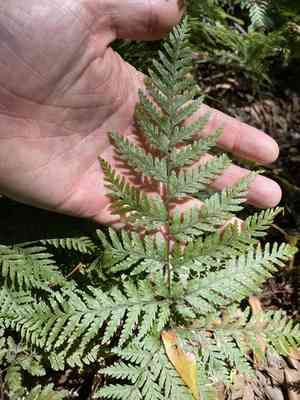
The common ground fern flourishes in locations ranging from dim to moderately lit, provided the soil is damp and drains efficiently. Reproduction through separation is successful, as it enables the plant to organically broaden its root network, fostering more robust development. During division, verify that every segment possesses a strong root structure to guarantee successful integration. This technique aids in preserving the plant's vitality and stimulates fresh growth, ensuring the fern stays vibrant and hardy.
What Is the Best Time To Propagate Common Ground Fern?
Propagation Type
Division
Propagation Season
Spring,Autumn
What Tools Are Used in Common Ground Fern Propagation?
Garden Fork
Utilized to carefully excavate and elevate common ground fern from the earth, ensuring minimal root trauma during the separation process.
Sharp Knife
Crucial for neatly dividing the root masses of common ground fern, fostering healthier regrowth and preventing disease transmission.
Hand Trowel
Assists in transplanting the separated sections of common ground fern, allowing for precise placement and proper soil contact around the roots.
Pruning Shears
Helpful for trimming any old or damaged fronds of common ground fern after division, aiding in reducing plant stress and promoting vigorous new growth.
Rooting Hormone
Application to cut portions of common ground fern can enhance root formation and boost the success rate of the propagation process.
Watering Can
Ensures sufficient irrigation of newly planted divisions of common ground fern, maintaining the necessary moisture level for root establishment.
Mulch
Provides a protective layer around the newly divided common ground fern, helping retain soil moisture and regulate temperature, vital for the establishment of new plants.
Labeling Stakes and Marker
Used to indicate the location and date of planting the divided sections of common ground fern, assisting in tracking progress and managing garden layout.
How to Propagate Common Ground Fern?
Propagation Type
Easy
How to Care for Your Newly Propagated Common Ground Fern?
How to Care for Your Newly Propagated Common Ground Fern?
Once established, common ground fern needs consistent watering to keep the soil uniformly moist, but avoid overwatering to prevent root rot. Maintain a cool, humid environment to replicate natural fern habitats. Check for pests and diseases, and remove any dead or damaged fronds to encourage healthy development. Fertilize sparingly with a balanced, water-soluble fertilizer diluted to half strength during the growing season. Regularly inspect and prune away spent fronds to promote a neat appearance and robust plant health.
Common Mistakes to Avoid When Propagating Common Ground Fern
Insufficient moisture
Failure to adequately water common ground fern can cause the plant's fronds to dry out and decrease the propagation success rate.
Improper soil selection
Using the wrong type of soil that is either too dense or poorly drained can impede root development.
Inappropriate container size
Using either too small or too large a container can impact root growth and overall plant vitality.
Over-fertilization
Applying too much fertilizer can burn the roots and negatively affect the plant's development.
Incorrect light conditions
Exposing common ground fern to either too much direct sunlight or insufficient light can hinder growth and health.
Tips For Propagating Common Ground Fern
Maintain consistent moisture
Ensure the soil remains uniformly moist without becoming waterlogged to support healthy root development.
Use well-draining soil
Choose a soil mix that balances moisture retention with adequate drainage to prevent root rot.
Select appropriate containers
Opt for containers that are suitably sized to avoid restricting root growth and to foster robust development.
Moderate fertilization
Apply a balanced, diluted fertilizer sparingly to provide nutrients without the risk of root burn.
Provide filtered light
Place common ground fern in an area with indirect sunlight or filtered light to mimic its natural understory habitat and promote healthy growth.



