How to Transplant Palmleaf poppymallow?
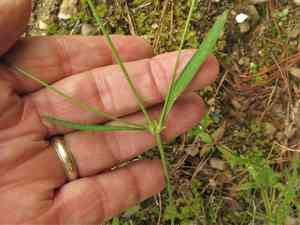
Palmleaf poppymallow flourishes when relocated between early and mid-spring or during late autumn, benefiting from agreeable moderate temperatures. Choose a bright, adequately draining spot for its best development. Maintain damp soil for the first few weeks to ensure successful rooting.
What Preparations are Needed Before Transplanting Palmleaf Poppymallow?
What is the Ideal Time for Transplanting Palmleaf Poppymallow?
Moving palmleaf poppymallow, a perennial, is best done from early to late spring or in late autumn. These periods allow palmleaf poppymallow sufficient time to develop strong roots without harsh weather, encouraging robust growth and flowering. Transplanting during these times boosts plant resilience and overall health.
How Much Space Should You Leave Between Palmleaf Poppymallow Plants?
Ensure each palmleaf poppymallow plant is spaced approximately 12-18 inches (30-45 cm) apart. This spacing provides ample room for growth and spreading without nutrient competition.
What is the Best Soil Mix for Palmleaf Poppymallow Transplanting?
For successful palmleaf poppymallow transplanting, prepare a well-draining soil mixture. A blend of loam or sandy soil with compost works well. Incorporate a balanced base fertilizer to enrich the soil, but steer clear of heavy clay.
Where Should You Relocate Your Palmleaf Poppymallow?
Select a location that receives full sun. Palmleaf poppymallow thrives best in spots getting at least 6-8 hours of daily sunlight. Avoid shaded areas as this can hinder growth and blooming.
What Equipments Should You Prepare Before Transplantation Palmleaf Poppymallow?
Gardening Gloves
To shield your hands while handling soil and plants.
Shovel or Spade
For digging around the plant and the new planting site.
Trowel
Useful for more precise digging and planting tasks.
Watering Can or Hose
To moisten the soil before and after the transplant process.
Wheelbarrow
For moving the plant if necessary.
Mulch
Helps maintain soil moisture around the plant after transplanting.
How Do You Remove Palmleaf Poppymallow from the Soil?
How Do You Remove Palmleaf Poppymallow from the Soil?
From Ground: First, water the palmleaf poppymallow to moisten the soil. Then, dig a wide trench around the plant using a shovel or spade, ensuring the plant's root ball stays intact. Carefully work the spade beneath the root ball to lift the plant from its original spot.From Pot: Gently tap the pot's sides to loosen the soil. Hold the palmleaf poppymallow at the base of its stem and carefully slide it out. If root-bound, gently separate the roots before transplanting.From Seedling Tray: Use a trowel or your hands to scoop under the palmleaf poppymallow seedling, taking care to keep the root ball intact. Handle the seedling by its leaves to avoid damaging the delicate stem.
Step-by-Step Guide for Transplanting Palmleaf Poppymallow
Site Preparation
Prepare the transplant site by digging a hole twice as wide and the same depth as the palmleaf poppymallow's root ball.
Soil Preparation
Loosen the soil at the bottom of the hole to aid root penetration.
Transplantation
Place the palmleaf poppymallow into the hole, ensuring the top of the root ball is level with the surrounding soil. Fill in the hole with soil, pressing gently to remove air pockets.
Watering
Water the palmleaf poppymallow thoroughly to settle the soil around the roots. Ensure the water reaches deep into the soil layers.
How Do You Care For Palmleaf Poppymallow After Transplanting?
Watering
Keep the soil around the palmleaf poppymallow consistently moist, but not waterlogged, for the initial weeks post-transplant to help establish strong roots.
Mulching
Apply a layer of mulch around the base of the palmleaf poppymallow, keeping it away from the stem to prevent rot. Mulch helps retain soil moisture and suppresses weeds.
Monitoring
Observe the palmleaf poppymallow for signs of stress like wilting or yellowing leaves. Adjust care as needed based on weather conditions and plant health.
Troubleshooting Common Issues with Palmleaf Poppymallow Transplantation.
When is the best time to transplant palmleaf poppymallow?
Early to late spring, as well as late fall, are optimal times for transplanting palmleaf poppymallow.
How far apart should I space palmleaf poppymallow?
Space palmleaf poppymallow plants about 12-18 inches (30-45 cm) apart for best growth.
What soil type is best for transplanting palmleaf poppymallow?
Palmleaf poppymallow prefers well-drained, loamy soil with a slightly acidic to neutral pH.
How deep should I plant palmleaf poppymallow during transplanting?
Plant palmleaf poppymallow at the same depth it was growing in its previous location or container.
Do I need to water palmleaf poppymallow immediately after transplanting?
Yes, water palmleaf poppymallow thoroughly right after transplanting to help settle the soil around the roots.
Should I fertilize palmleaf poppymallow after transplanting?
Avoid fertilizing immediately; wait a few weeks for the plant to establish before applying a balanced fertilizer.
How can I minimize transplant shock for palmleaf poppymallow?
Water the plant well before and after transplanting, and avoid disturbing the roots excessively.
Do I need to prune palmleaf poppymallow before transplanting?
It's beneficial to prune back any damaged or overly long roots and remove dead foliage.
How should I prepare the new site for palmleaf poppymallow?
Loosen the soil and incorporate organic matter to ensure good drainage and fertility before transplanting palmleaf poppymallow.
What are signs of transplant shock in palmleaf poppymallow?
Wilting, yellowing leaves, or slow growth can indicate that palmleaf poppymallow is experiencing transplant shock.



