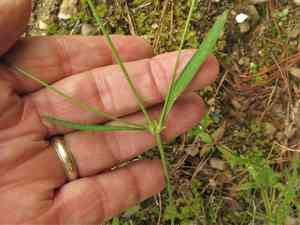
Palmleaf poppymallow (Callirhoe pedata)
Also known as: Finger poppy mallow, Winecup
Palmleaf poppymallow is a low-growing perennial with palm-shaped leaves, typically found in rocky, open woods and prairies. Its striking purple to magenta flowers bloom on slender stems, forming an inverted cup shape that effectively attracts pollinators like bees and butterflies. This plant flourishes in well-drained soil and prefers full sun but can tolerate partial shade. Once established, it is highly drought-resistant.
In This Article
Attributes of Palmleaf poppymallow
Lifespan
Perennial
Plant Type
Herb
Plant Height
30 cm to 91 cm
Spread
1 to 1.5 feet (30 to 45 cm)
Leaf Color
Green
Flower Size
2 to 3 inches (5 to 7.5 cm)
Flower Color
Purple to red
Images of Palmleaf poppymallow
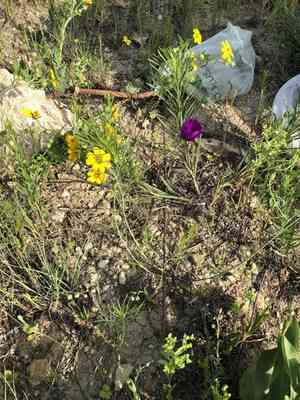
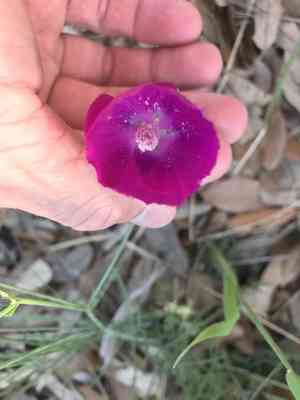
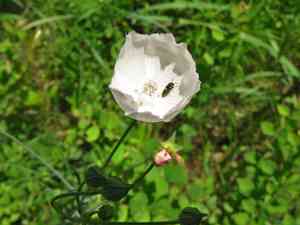
Quickly Identify Palmleaf poppymallow
1
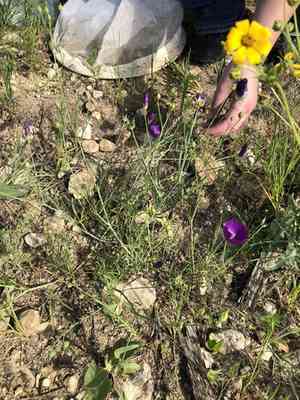
Recognize Callirhoe pedata by its deeply lobed, palmate leaves and the striking cup-shaped purple-red flowers which resemble a winecup. It typically flowers in late spring to early summer.
Scientific Classification of Palmleaf poppymallow
Phylum
Vascular plants
Class
Dicotyledons
Order
Malvales
Family
Mallow
Genus
Poppy mallows
Species
Palmleaf poppymallow
Planting and Growing of Palmleaf poppymallow
Care Difficulty
Moderate
Watering Schedule
Every 2 days
Sunlight Requirements
Full sun
Sunshine Duration
4-8 hours
Ideal Temperature
65-75℉
Soil Type
Potting Mix, Peat Mix
Soil pH
6.5-7.5
Fertilizer Type
Balanced
Pruning Season
Spring, Summer
Pruning Area
Branches, Leaves
Pruning Frequency
2 times a year
Repotting Season
Spring
Pot Type
Plastic, Ceramic
 How to Water Palmleaf poppymallow?
When watering Callirhoe pedata, aim for a thorough soaking that reaches down to the root zone without leaving the soil waterlogged. Typically, this means about 500 milliliters per session. Ensure the water penetrates the soil deeply so that the roots have adequate moisture but are not submerged in excess water, which could lead to root rot.
What are the symptoms of an underwatered Palmleaf poppymallow?
›
What should I do if my Palmleaf poppymallow is not getting enough water?
›
What are the symptoms of an overwatered Palmleaf poppymallow?
›
How to save an overwatered Palmleaf poppymallow?
›
 What Are the Sunlight Requirements for Palmleaf poppymallow?
Callirhoe pedata thrives in full sun to partial sun. These conditions support its photosynthetic activities, leading to strong, vigorous growth and prolific blooming, enhancing the plant's ornamental appeal.
What is the ideal light for Callirhoe pedata?
›
How to attain ideal lighting for Callirhoe pedata?
›
What benefits does Callirhoe pedata gain from ideal lighting?
›
 What Is the Ideal Temperature Range for Palmleaf poppymallow?
The ideal temperature range for Callirhoe pedata, commonly known as Poppy Mallow, is between 65°F and 75°F. This range provides the best conditions for growth and flowering, ensuring the plant remains in its optimal state throughout its lifecycle. Keeping the plant in this temperature range allows for proper metabolic processes, essential for its health and vibrancy.
 What Soil is Best for Palmleaf poppymallow?
Callirhoe pedata thrives in nutrient-rich soils that provide essential minerals. A well-fertilized loam can enhance growth, promoting vibrant foliage and abundant blooming. This plant prefers well-drained soils to prevent root rot. Good drainage ensures that roots maintain optimal health, leading to a more robust plant. Moderate moisture levels are ideal for Callirhoe pedata. Consistent watering without oversaturation encourages stable growth and helps maintain the plant’s lush appearance.
 How to Fertilize Palmleaf poppymallow?
The amount of fertilizer for Callirhoe pedata should be moderate, avoiding both deficiency and excess. Typically, for liquid fertilizers, use about 1/4 to 1/2 inch of a diluted solution around each plant. For slow-release fertilizers, follow the manufacturer's guidelines, generally about 2-3 tablespoons per plant, spread around the base.
 How to Prune Palmleaf poppymallow?
Begin by inspecting your plant and identify any brown, wilting, or broken stems. These should be the first to go. Use your sterilized shears to cut these stems back to the base, encouraging new growth to take their place. Focus on maintaining a balanced shape by trimming back overreaching branches. Aim for symmetry and an open center to promote air circulation, which is vital for preventing fungal infections. Remember that excessive pruning can stress the plant, leading to reduced blooming. Limit pruning to no more than one-third of the plant’s total mass at any one time. This ensures the plant has enough foliage to sustain photosynthesis effectively.
More About Pruning Techniques→
 How to Propagate Palmleaf poppymallow plant?
1
Collect seeds from mature Callirhoe pedata flowers. Clean and dry them thoroughly. Consider stratification by storing them in a moist substrate in the fridge for several weeks before planting to improve germination rates.
2
Fill a seed tray with a fine seed-starting mix. Sow the seeds on the surface and cover lightly with the mix. Water gently to avoid displacing seeds, keeping the soil consistently moist until germination.
3
Use clean pruning shears to cut a non-flowering stem of 4-6 inches long. Remove the lower leaves, and dip the cut end in rooting hormone. Plant it in a pot with a moist sterile growing medium, and cover with a plastic bag to maintain humidity.
 How to Repot Palmleaf poppymallow plant?
1
Repot your Callirhoe pedata when you notice signs like overcrowded roots protruding from the pot's drainage holes or stunted growth despite regular care. Spring and early summer are best, offering the plant optimal conditions to recover and establish in its new environment.
2
Select a pot that is one or two sizes larger than the current one, with ample drainage holes. This allows for better aeration and root expansion, reducing the risk of root rot and enabling Callirhoe pedata to thrive in a healthier, more spacious home.
3
Opt for a well-draining loamy soil mix that retains some moisture but allows excess water to escape. This balance prevents waterlogging, mimicking the plant's natural habitat, and supports strong root growth while discouraging fungal diseases.
Learn More About Palmleaf poppymallow Diseases
Anthracnose
Bacterial Leaf Spot
Bacterial Soft Rot
Bacterial Wilt
Crown Gall
Cyst Nematode
Damping-off
Downy Mildew
Drought Stress
Fusarium Wilt
Gray Mold
Leaf Spot
Mosaic
Nutrient Deficiency
Nutrient Toxicity
Powdery Mildew
Root Rot
Root-knot Nematode
Rusts
Sooty Mold
Spider Mites
Temperature Stress
Thrips Damage
White Mold



