How to Prune Palmleaf poppymallow?
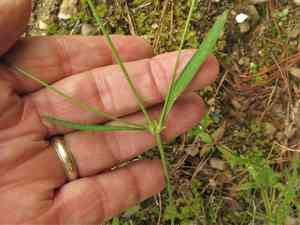
Callirhoe palmata is recognized for its appealing, rich-purple, mallow-like blossoms and palmate foliage. Trim Callirhoe palmata in late winter or early spring prior to the emergence of new shoots to eliminate deceased or injured stalks and foster a denser habit. This schedule enables the plant to recover and generate abundant blooms throughout the active growth phase. Prioritize sustaining an airy framework to boost air movement. Regular trimming can elevate general health and extend the flowering duration.
What Are the Benefits of Pruning Palmleaf Poppymallow?
What Are the Benefits of Pruning Palmleaf Poppymallow?
Pruning palmleaf poppymallow encourages robust development, shapes the plant, boosts blooming, enhances appearance, and aids in pest and disease resistance. By keeping its size in check, pruning also promotes overall vigor and health.
What Is the Best Time for Pruning Palmleaf Poppymallow?
What Is the Best Time for Pruning Palmleaf Poppymallow?
Trimming palmleaf poppymallow in late winter or early spring is optimal as it allows the plant to recover and begin new growth during the upcoming active season. This timing avoids disrupting the flowering period, since palmleaf poppymallow primarily blooms from late spring to early summer. Pruning during these seasons also helps eliminate any winter-damaged or dead wood, fostering better overall plant health and stimulating more abundant flowering. Performing the pruning before the plant enters its active growth phase ensures cuts heal quickly, reducing disease risk.
What Tools Do I Need to Prune Palmleaf Poppymallow?
Bypass Pruners
Perfect for making clean cuts on living stems and branches, facilitating quicker healing.
Hedge Shears
Useful for shaping and trimming the plant, especially when managing its spread is necessary.
Hand Pruners
Excellent for detailed work on smaller stems and leaves, ensuring precise cuts.
Pruning Saw
Recommended for larger, woody stems if the plant becomes more established and robust.
How to Prune Palmleaf Poppymallow
Inspection
Thoroughly examine the plant to identify all diseased and withered leaves. This helps assess its overall health and determine the extent of pruning needed for palmleaf poppymallow.
Sterilization
Sanitize your pruning tools with a solution of one part bleach to nine parts water. This prevents the spread of diseases during the pruning process.
Removal Diseased Leaves
Carefully remove all diseased leaves by cutting them at the stem's base. Ensure proper disposal of these leaves to prevent further contamination.
Removal Withered Leaves
Trim off withered leaves, cutting as close to the base as possible without harming healthy plant tissue. This encourages new growth and maintains the plant's aesthetic appeal.
Monitoring
After pruning, regularly observe palmleaf poppymallow for signs of stress or disease. Promptly address any new issues that may arise to maintain optimal plant health.
Common Pruning Mistakes with Palmleaf Poppymallow
Over-pruning
Removing too much foliage can stress palmleaf poppymallow and hinder its growth and flowering.
Improper Cutting Techniques
Making rough cuts or tearing branches can lead to plant injury and entry points for disease.
Pruning at the Wrong Time
Even though the specific best season is omitted, pruning at inappropriate times can impact the blooming cycle and overall health.
Common Pruning Tips for Palmleaf Poppymallow
Use Sharp Tools
Sharp, clean tools create precise cuts, reduce plant stress, and lower the risk of disease.
Prune Sparingly
Only remove dead or damaged stems and spent flowers to maintain the plant's shape without excessive pruning.
Focus on New Growth
Encourage healthy growth by cutting just above a set of leaves or buds to promote branching and flowering.
Maintain Airflow
Ensure good air circulation by thinning out crowded stems, which helps prevent fungal diseases.



