How to Transplant Light poppymallow?
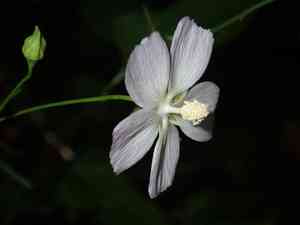
Light poppymallow is most successfully relocated from the beginning to the end of spring, or during the initial part of winter, when the plant is inactive. Select a bright location featuring soil that drains effectively to foster robust development. Should it be required, reduce disruption to the roots while transplanting.
Necessary Preparations Before Relocating Light Poppymallow?
When is the Best Time to Move Light Poppymallow?
The perfect period for relocating light poppymallow spans from early to late spring or early winter. Moving them during these times allows the plant to develop robust root systems without the stress of extreme temperatures. Early-season relocation benefits from favorable moisture levels and moderate warmth, promoting healthier development and improved blooming.
What Distance Should Be Maintained Between Light Poppymallow Plants?
Ensure light poppymallow are spaced approximately 12-18 inches (30-45 cm) apart. This provides ample room for growth and prevents competition for vital resources such as sunlight and nutrients!
What is the Ideal Soil Blend for Light Poppymallow Relocation?
For light poppymallow, prepare soil that drains well, with a pH level between 6.0 and 7.0. Incorporate organic compost or a balanced, slow-release fertilizer into the soil to enrich it with essential nutrients.
Where Should You Replant Your Light Poppymallow?
Light poppymallow thrives in sunlight! Select a location where your plants will receive full sun, meaning at least 6-8 hours of direct sunlight daily. This will ensure vigorous growth and abundant blooms.
What Tools Should You Prepare Before Relocating Light Poppymallow?
Gardening Gloves
To safeguard your hands while handling soil and plants.
Shovel or Spade
For excavating the plant and preparing the new planting site.
Garden Trowel
For precise digging and managing smaller specimens.
Watering Can or Hose
For hydrating the plant before and after its move.
Compost or Organic Matter
To enrich the new planting location and support plant development.
Wheelbarrow
For moving the plant if necessary.
Pruners
For trimming any damaged roots or foliage.
How Do You Extract Light Poppymallow from the Ground?
How Do You Extract Light Poppymallow from the Ground?
From Ground: First, hydrate the light poppymallow plant to moisten the soil. Then, dig a wide trench around the plant using a shovel or spade, ensuring the plant's root ball remains intact. Carefully work the spade beneath the root ball to lift the plant from its original spot.From Pot: Water the light poppymallow plant thoroughly. Gently tap the sides and bottom of the container to loosen the soil. Carefully slide the plant out, holding onto the base of the stem rather than the leaves to prevent harm.From Seedling Tray: Water the seedlings well. Use a garden trowel or your fingers to gently ease each seedling out, ensuring you hold by the leaves and not the stem to protect the delicate plant.
Step-by-Step Guide for Relocating Light Poppymallow
Site Preparation
Prepare the new planting location in advance by loosening the soil and mixing in compost or organic matter to enhance soil structure and fertility.
Hole Digging
Excavate a hole that is twice as wide and equally as deep as the root ball of the light poppymallow plant. This provides ample space for the roots to spread comfortably.
Plant Placement
Gently position the light poppymallow plant into the hole, ensuring it sits at the same depth as it was previously growing. The top of the root ball should be level with the surrounding soil.
Filling in the Hole
Backfill the hole with the excavated soil, gently pressing it around the roots to eliminate any air pockets. Water the soil thoroughly to help it settle.
Adding Mulch
Apply a layer of mulch around the base of the plant to conserve moisture, regulate soil temperature, and reduce weed competition. Keep the mulch a couple of inches away from the stem to prevent rot.
How Do You Care For Light Poppymallow After Relocation?
Watering
Maintain consistent moisture around the light poppymallow, avoiding sogginess, for the initial few weeks post-relocation to aid in root establishment.
Protection
Shield the light poppymallow from strong winds or harsh weather by utilizing garden cloches or temporary barriers if necessary.
Monitoring
Observe the plant for indications of transplant shock, such as wilting or yellowing leaves, and provide additional care as needed. This might involve more watering or shading from intense sunlight.
Pruning
Trim any damaged or broken stems and remove any spent flowers to encourage new growth and overall plant vitality.
Troubleshooting Common Issues with Light Poppymallow Relocation.
When is the best time to relocate light poppymallow?
Early to late spring or early winter is ideal for moving light poppymallow for optimal results.
How far apart should I space light poppymallow plants?
Space light poppymallow plants 12-18 inches (30-45 cm) apart to ensure healthy growth and spread.
What soil type is best for light poppymallow?
Light poppymallow thrives in well-draining, sandy or loamy soil enriched with organic matter for best growth.
How should I prepare the relocation site for light poppymallow?
Loosen soil up to 10 inches (25 cm) deep and mix in compost before relocating light poppymallow.
How do I handle light poppymallow roots during relocation?
Handle light poppymallow roots gently, keeping the root ball intact to avoid damage and ensure proper settling.
What is the best watering practice for freshly relocated light poppymallow?
Water light poppymallow thoroughly right after relocating and maintain consistent moisture without waterlogging the soil.
Should I mulch around relocated light poppymallow plants?
Apply a 2-3 inch (5-7.5 cm) layer of mulch around light poppymallow to retain moisture and inhibit weeds.
How long does light poppymallow take to establish after relocating?
Light poppymallow typically takes a few weeks to establish; monitor for signs of new growth.
What are common pests affecting freshly relocated light poppymallow?
Watch for aphids and slugs; use organic methods like neem oil or traps to manage them.
Should I fertilize light poppymallow after relocating?
Use a balanced, slow-release fertilizer to support light poppymallow growth without over-fertilizing immediately after relocating.



