How to Prune Light poppymallow?
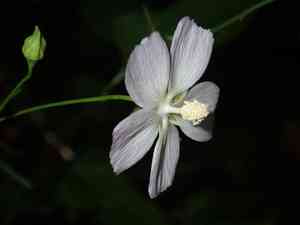
Poppymallow, known for its vivid blossoms and sprawling habit, thrives with consistent trimming to foster denser foliage and extended flowering. Conduct initial pruning at the start of the cultivation period to eliminate deceased or injured stalks and stimulate fresh development. Gentle shaping throughout the summer months can improve the plant's aesthetic and deter excessive expansion. Trimming not only preserves the plant's well-being but also facilitates peak floral production. These methods are especially impactful when performed in spring and summer.
Advantages of Trimming Light Poppymallow
Advantages of Trimming Light Poppymallow
Trimming light poppymallow encourages robust development and maintains a pleasing form. Regular cutting helps control its spread and promotes denser foliage, improving its overall garden appeal.
Optimal Time for Trimming Light Poppymallow
Optimal Time for Trimming Light Poppymallow
Trimming light poppymallow in Spring and early Summer is perfect as it aligns with the plant's active growth period, which facilitates quick healing of cuts and stimulates new growth. Spring trimming helps shape the plant and manage its size before full bloom, enhancing its look and vitality. Early Summer trimming, right after the initial flowering, encourages a second bloom and prevents light poppymallow from becoming leggy or overgrown. Avoiding late Summer or Fall trimming ensures light poppymallow is not vulnerable to frost damage on new growth and has ample time to establish before Winter dormancy.
Tools Required for Trimming Light Poppymallow
Bypass Pruners
Bypass pruners are ideal for making neat and precise cuts on the soft stems of light poppymallow. Their scissor-like action ensures the plant's delicate stems are not crushed, fostering healthier regrowth.
Pruning Shears
Pruning shears, especially those with a sharp, straight blade, are vital for removing unwanted or dead growth. This helps maintain the size and shape of light poppymallow, while encouraging new blooms and preventing disease spread.
Gardening Gloves
Gardening gloves are crucial for protecting the gardenerâs hands from thorns and other sharp objects while trimming light poppymallow. They also provide a better grip on pruning tools, offering more control during the cutting process.
Garden Scissors
Garden scissors can be useful for more detailed tasks on light poppymallow, such as thinning out dense areas to improve air circulation within the plant. This can help prevent fungal diseases and pest infestations.
How to Trim Light Poppymallow
Identify
Locate and evaluate light poppymallow for any indications of diseased or withered leaves along with affected stems. This ensures focused trimming that helps maintain the health of light poppymallow.
Sterilize
Sanitize your pruning tools with rubbing alcohol or a 10% bleach solution to prevent the spread of disease between plants as you cut them.
Trim leaves
Carefully remove withered and diseased leaves of light poppymallow close to the stem, avoiding any healthy parts to support the plant's growth.
Trim stems
Remove any diseased stems by making a clean cut at the point of healthy tissue below the infection, which helps prevent the disease's spread and encourages healthier growth.
Dispose
Properly discard all removed parts by placing them in a sealable bag and removing them from the site to avoid reinfection or the spread of disease in your garden.
Common Trimming Errors with Light Poppymallow
Excessive Trimming
Cutting back light poppymallow too aggressively can harm its overall vigor. This plant species thrives on moderate trimming to shape the plant and remove old or dead foliage; excessive cutting can reduce its flowering potential.
Incorrect Timing
Trimming light poppymallow at inappropriate times during its growth cycle can lead to diminished plant health and fewer blooms. While specific seasonal timing isn't mentioned, it's crucial to avoid trimming when the plant is preparing for significant growth or flowering stages.
Using Dull Tools
Employing dull or unclean trimming tools can damage light poppymallow's delicate stems, resulting in frayed cuts that heal poorly. This increases the plant's susceptibility to diseases and pests.
Ignoring Plant Shape
Lack of consideration for the natural growth habit and shape of light poppymallow while trimming can result in an unnatural appearance and poor growth patterns, affecting both aesthetics and health.
General Trimming Advice for Light Poppymallow
Appropriate Tools
Use sharp, clean shears or scissors specifically designed for trimming delicate plants. This ensures clean cuts that heal quickly, minimizing stress and disease risk for light poppymallow.
Moderate Trimming
Trim light poppymallow moderately to maintain its natural form and encourage vigorous growth. Focus on removing dead or weak stems to promote better air circulation and light penetration, which are crucial for the plant's health and bloom.
Careful Thinning
Thin out dense areas of light poppymallow's growth to prevent overcrowding, which can lead to moisture-related problems and reduced flowering. This helps in maintaining an attractive plant shape and promotes robust health.
Post-Bloom Care
After light poppymallow has finished blooming, trim back the spent flowers to encourage a second bloom and reduce energy wastage on seed production. This also keeps the plant looking tidy and may increase its lifespan.



