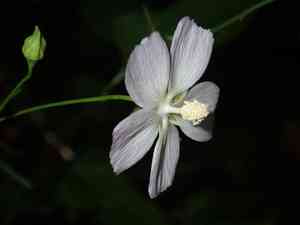
Light poppymallow (Callirhoe alcaeoides)
Also known as: Plains poppymallow
The wildflower you're describing sounds like the light poppymallow (Callirhoe involucrata). This perennial features delicate, cup-shaped blooms in soft pink or white, reminiscent of poppies. It flourishes in well-drained soils and is commonly found in wild meadows and prairies. Its deep taproot helps it endure dry conditions, and its sprawling growth and lobed leaves add to its natural charm.
In This Article
Attributes of Light poppymallow
Lifespan
Perennial
Plant Type
Herb
Plant Height
30 cm to 91 cm
Spread
0.3 to 0.6 meters
Leaf Color
Green
Flower Size
2 to 4 centimeters
Flower Color
White, pale pink
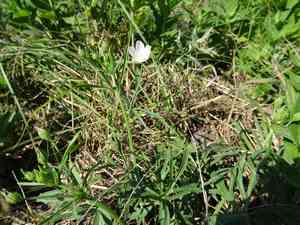
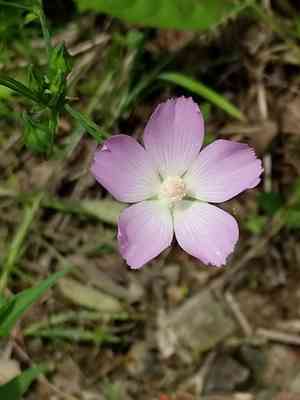
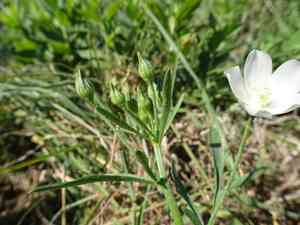
Images of Light poppymallow
Quickly Identify Light poppymallow
1
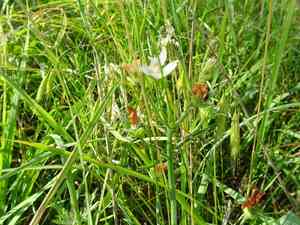
Callirhoe alcaeoides can be identified by its deeply lobed, palm-shaped leaves and its large, cup-shaped flowers that are usually white or pale pink with a darker center. The plant is also characterized by its sprawling, vine-like growth habit.
Scientific Classification of Light poppymallow
Phylum
Vascular plants
Class
Dicotyledons
Order
Malvales
Family
Mallow
Genus
Poppy mallows
Species
Light poppymallow
Planting and Growing of Light poppymallow
Care Difficulty
Easy
Watering Schedule
Every 3 days
Sunlight Requirements
Full sun
Sunshine Duration
10-14 hours
Ideal Temperature
60-75℉
Soil Type
Potting Mix, Peat Mix
Soil pH
6.5-7.5
Fertilizer Type
Balanced
Pruning Season
Spring, Summer
Pruning Area
Branches, Leaves
Pruning Frequency
2 times a year
Repotting Season
Spring
Pot Type
Plastic, Ceramic
 How to Water Light poppymallow?
Callirhoe alcaeoides requires careful watering to maintain soil that is consistently moist but never waterlogged. Aim to provide around 500 milliliters of water per session, ensuring the soil feels damp to the touch but water does not pool on the surface. This amount allows adequate hydration while preventing root rot.
What are the symptoms of an underwatered Light poppymallow?
›
What should I do if my Light poppymallow is not getting enough water?
›
What are the symptoms of an overwatered Light poppymallow?
›
How to save an overwatered Light poppymallow?
›
 What Are the Sunlight Requirements for Light poppymallow?
Ideal light range for Callirhoe alcaeoides is full sun exposure. In optimal lighting, the plant benefits from enhanced photosynthesis, leading to robust health, abundant flowering, and improved vigor.
What is the ideal lighting solution?
›
How to provide optimal light?
›
Benefits of optimal light exposure?
›
 What Is the Ideal Temperature Range for Light poppymallow?
The ideal temperature range for Callirhoe alcaeoides is between 60°F and 75°F. These temperatures provide a balanced environment that supports healthy growth and optimum flowering. Maintaining temperatures within this range ensures the plant receives adequate warmth to sustain metabolic processes without risking heat stress or cold shock.
 What Soil is Best for Light poppymallow?
Callirhoe alcaeoides thrives in soils that ensure excellent drainage. This reduces the risk of root rot and fungal diseases, ensuring healthier plant growth and abundant blooms. Providing nutrient-rich soil boosts plant health by supplying essential nutrients, resulting in vibrant flowers and strong stems. Adding compost can enhance nutrient availability. The soil should retain some moisture without becoming boggy, ensuring the plant has consistent water supply without risk of waterlogging. This balance enhances Callirhoe alcaeoides's resilience.
 How to Fertilize Light poppymallow?
For Callirhoe alcaeoides, less is more when it comes to fertilization. A balanced 10-10-10 liquid fertilizer at a diluted concentration of 1/4 strength is sufficient. Over-fertilizing can damage this delicate plant, so it is essential to adhere to recommended amounts.
 How to Prune Light poppymallow?
Begin your pruning by carefully inspecting the Callirhoe alcaeoides for any dead, damaged, or diseased parts. Use sharp, sterilized shears to remove these sections just above the base or back to a healthy node. This enhances the plant’s overall health and can prevent the spread of disease or pests. After cleaning up the plant, focus on shaping it. Trim back long, leggy stems to maintain a desired shape and promote a bushy appearance. Always cut at an angle to encourage water runoff and prevent stem rot. Removing excess length helps the plant maintain a balanced and robust shape, essential for healthy growth. To stimulate continuous blooming of Callirhoe alcaeoides, deadhead spent flowers regularly. Cut the flower stalks just above a set of leaves. This encourages the plant to produce new blooms and keeps the appearance tidy throughout the growing season.
More About Pruning Techniques→
 How to Propagate Light poppymallow plant?
1
Start by filling seed trays with a sterile potting mix. Sprinkle Callirhoe alcaeoides seeds over the surface and cover them lightly with more potting mix. Water gently to ensure the soil is moist, and place the trays in a warm, sunny location.
2
For cutting propagation, select healthy stems from the plant. Use a sharp, sterilized knife to cut sections of about 4-6 inches long. Remove any leaves from the lower half of each cutting before planting them in a suitable growing medium.
3
Once seedlings or cuttings have developed strong root systems, they can be transplanted. Prepare a bed with well-draining soil, and transplant them carefully to avoid damaging young roots. Water thoroughly after planting and maintain consistent moisture levels.
 How to Repot Light poppymallow plant?
1
Repot Callirhoe alcaeoides when you notice roots emerging from the pot drainage holes or growth appearing stunted. These signs usually indicate that the plant has outgrown its current container and needs more space to thrive. Spring and autumn are ideal for repotting as these seasons provide optimal growth conditions for recovery and development.
2
Select a pot that is one size larger than the current pot, ensuring it has sufficient drainage holes. This allows excess water to escape, preventing root rot and promoting healthy root growth. A slightly bigger pot gives the roots room to expand without causing the plant to become waterlogged.
3
Opt for a well-draining loamy soil mix to prevent waterlogging while providing essential nutrients to the plant. A light mixture that includes perlite or sand ensures that the roots have adequate air circulation, promoting healthy growth and preventing root diseases.
Learn More About Light poppymallow Diseases
Anthracnose
Bacterial Leaf Spot
Bacterial Wilt
Crown Gall
Cyst Nematode
Damping-off
Downy Mildew
Drought Stress
Fusarium Wilt
Gray Mold
Leaf Curl
Leaf Spot
Mosaic
Nutrient Deficiency
Nutrient Toxicity
Powdery Mildew
Root Rot
Root-knot Nematode
Rusts
Sooty Mold
Spider Mites
Temperature Stress
Thrips Damage
White Mold



