How to Transplant Mexican holdback?
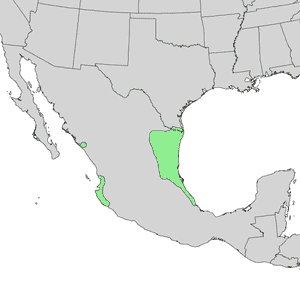
The optimal period for relocating mexican holdback spans from mid-spring to late spring, as elevated soil temperatures stimulate root development. Select a bright spot featuring soil that drains effectively. Careful handling throughout the transfer will aid mexican holdback in thriving.
What Preparations are Needed Before Transplanting Mexican Holdback?
What is the Ideal Time for Transplanting Mexican Holdback?
The best time to move your mexican holdback is in mid-spring. This period offers moderate temperatures, crucial for the plant's root system to properly establish itself in its new spot. Moving it when spring's warmth is strong ensures the plant has ample time to strengthen before summer's heat arrives. Choose this season to give your mexican holdback the best start in its new home, encouraging vigorous growth and abundant blooms. Remember, careful preparation will lead to a smooth transition for your perennial friend!
How Much Space Should You Leave Between Mexican Holdback Plants?
Begin by providing ample room for mexican holdback to expand. Aim for a spacing of 5-8 feet (1.5-2.4 meters) between each plant. This should allow mexican holdback sufficient area to grow and thrive.
What is the Best Soil Mix for Mexican Holdback Transplanting?
When preparing the soil, ensure it drains well. Incorporate a base fertilizer rich in organic matter. You can also mix in compost to improve the soil's structure and fertility.
Where Should You Relocate Your Mexican Holdback?
Finally, choose a spot with full sun exposure, as mexican holdback thrives in bright light. If you are in the northern hemisphere, a south-eastern or south-western orientation would be perfect.
What Equipments Should You Prepare Before Transplantation Mexican Holdback?
Gardening Gloves
To protect hands from sharp tools and direct contact with soil.
Garden Trowel
To loosen and excavate soil around the plant when removing it from its original spot.
Shovel
To dig holes in the ground for transplanting the mexican holdback.
Watering Can
To hydrate the plant before and after transplanting, ensuring it remains moist.
Wheelbarrow
For easy movement of the plant from one location to another.
Gardening fork
To gently separate roots from the pot and encourage better root development after transplant.
How Do You Remove Mexican Holdback from the Soil?
How Do You Remove Mexican Holdback from the Soil?
From Pot: Start by thoroughly watering your mexican holdback plant. This will facilitate removal and reduce transplant shock. Then, invert the pot while holding the plant's base. Apply pressure to the pot's rim to release the plant. Be gentle to avoid harming the plant.From Ground: If your mexican holdback plant is in the ground, water it a day before transplanting. This will soften the soil, making digging easier. Use a garden trowel to dig around the plant. The trench should be wide enough not to disturb the roots. Work the trowel under the root ball, and carefully lift the plant with both hands.From Seedling Tray: For mexican holdback plants in a seedling tray, water the tray, then gently push up the base beneath the seedlings to lift them out. Be careful not to damage the delicate roots.
Step-by-Step Guide for Transplanting Mexican Holdback
Space Preparation
Prepare the new site for your mexican holdback plant. Ensure the hole in the ground is approximately twice the size of the plant's root ball and equally deep. This provides ample room for the plant's roots to spread.
Transplantation
Carefully place your mexican holdback plant into the hole, making sure it is positioned at the same depth it was growing previously. Backfill the hole with soil, gently firming it around the plant's base.
Watering
Water the mexican holdback plant thoroughly immediately after transplanting. This helps settle the soil around the roots and aids the plant in adjusting to its new location.
Stabilizing
If your mexican holdback plant is tall or unstable, stake it to provide support and prevent it from being toppled by wind.
How Do You Care For Mexican Holdback After Transplanting?
Pruning
Remove any diseased, dead, or damaged leaves to help the mexican holdback plant prioritize root development after the transplant process.
Watering
Maintain consistently moist soil conditions but prevent waterlogging, which could lead to root rot.
Mulching
Apply a layer of organic mulch around the mexican holdback plant, ensuring it doesn't touch the stem. This helps retain soil moisture and suppress weed growth.
Monitoring
Watch for any signs of transplant shock (such as wilting or yellowing leaves) and address them promptly if necessary.
Troubleshooting Common Issues with Mexican Holdback Transplantation.
What's the best season to transplant mexican holdback?
The optimal time to transplant mexican holdback is from late spring to summer (S2-S3). This allows the plant sufficient time to establish roots before winter.
How deep should the planting hole be for mexican holdback?
Dig a hole twice as wide and as deep as the plant's root ball, typically about 10 to 12 inches (25-30cm). This encourages root growth.
What's the optimal spacing for mexican holdback while transplanting?
To ensure healthy growth, maintain a distance of 5 to 8 feet (1.5-2.4 meters) between each mexican holdback plant. This provides adequate space for growth and sunlight exposure.
How often should I water mexican holdback after transplanting?
Initially, water mexican holdback daily for 1-2 weeks post-transplant. Afterward, return to regular watering routines. Adjust as needed based on your climate's humidity and rainfall.
What type of soil is best for mexican holdback while transplanting?
Mexican holdback prefers well-draining soil. A mixture of one-third compost or organic material, one-third garden soil, and one-third coarse sand will support its growth after transplanting.
What is the right way to handle mexican holdback's root ball during transplanting?
Handle the root ball gently to avoid damage. If it's tightly bound, carefully loosen the roots before placing it in the planting hole.
How do I ensure mexican holdback adaptation to its new location post-transplant?
Ensure mexican holdback's transplant site mimics its original growing environment, including sunlight access, soil type, and nearby plants. This aids in adaptation to the new location.
Can mexican holdback tolerate transplantation shock? Any preventative steps?
Like most plants, mexican holdback may experience transplant shock. Water it regularly and apply a thin layer of mulch to retain soil moisture and temperature.
Should I remove the previous soil from the root ball of mexican holdback while transplanting?
Removing the old soil can harm the roots. Instead, transplant mexican holdback with its original soil and then supplement with the appropriate soil you've prepared in the new location.
Do I need to fertilize mexican holdback after transplanting?
Fertilizing immediately after transplanting can stress mexican holdback. Wait about a month before fertilizing, then use a balanced fertilizer according to package instructions.



