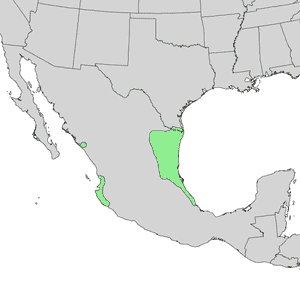
Mexican holdback (Caesalpinia mexicana)
Also known as: Mexican bird of paradise bush
**Caesalpinia pulcherrima**, commonly known as the Mexican bird of paradise and the pride of Barbados, is a flowering plant related to the pea family. It thrives in tropical regions across North and South America.
In This Article
Attributes of Mexican holdback
Lifespan
Perennial
Plant Type
Shrub
Plant Height
3 m to 4.5 m
Spread
1.8 m to 3 m
Leaf Color
Green
Flower Size
2.5 cm to 5 cm
Flower Color
Yellow
Quickly Identify Mexican holdback
1
Smooth gray bark distinguishes the trunk.
2
Compound bipinnate leaves with rounded leaflets.
3
Conspicuous clusters of yellow flowers in late summer to fall.
4
Lacks thorny qualities common in relatives.
5
Thrives in full sunlight with adaptable water needs.
Scientific Classification of Mexican holdback
Phylum
Vascular plants
Class
Dicotyledons
Order
Fabales
Family
Legume
Genus
Caesalpinia
Species
Mexican holdback
Planting and Growing of Mexican holdback
Care Difficulty
Easy
Watering Schedule
Every 2 days
Sunlight Requirements
Full sun
Sunshine Duration
4-8 hours
Ideal Temperature
65-85℉
Soil Type
Potting Mix, Peat Mix
Soil pH
6.5-7.5
Fertilizer Type
Balanced
Pruning Season
Spring, Summer
Pruning Area
Branches, Leaves
Pruning Frequency
Once a year
Repotting Season
Spring
Pot Type
Plastic, Ceramic
 How to Water Mexican holdback?
For Caesalpinia mexicana, a thorough watering of approximately 500 milliliters per occurrence ensures moisture reaches the root zone. It is important to allow the top few centimeters of soil to dry out between waterings, preventing root rot and promoting healthy root growth.
What are the symptoms of an underwatered Mexican holdback?
›
What should I do if my Mexican holdback is not getting enough water?
›
What are the symptoms of an overwatered Mexican holdback?
›
How to save an overwatered Mexican holdback?
›
 What Are the Sunlight Requirements for Mexican holdback?
Caesalpinia mexicana prefers full sun to partial sun, ideally receiving 6-8 hours of light per day. This range supports strong growth, abundant flowers, and robust foliage.
More About Sunlight Requirements Techniques→
What is the ideal light exposure for Caesalpinia mexicana?
›
How to achieve the ideal lighting conditions?
›
What benefits does ideal light exposure provide?
›
 What Is the Ideal Temperature Range for Mexican holdback?
The ideal temperature range for Caesalpinia mexicana is between 65°F and 85°F. This range supports optimal growth and flowering, providing the warmth necessary to stimulate its growth cycles.
 What Soil is Best for Mexican holdback?
Mexican Bird of Paradise thrives in well-drained soils which keep its roots from sitting in water, preventing root rot and promoting healthy growth. Ensuring proper drainage helps the plant absorb nutrients effectively, contributing to its lush appearance and vibrant blooms. A soil with ample organic matter helps Mexican Bird of Paradise develop strong root systems. Nutrient-rich conditions support robust flowering and foliage, aiding the plant in resisting stress from weather changes and pests. Composing or adding organic fertilizers can help achieve this. While drought-tolerant, Mexican Bird of Paradise prefers soil that retains some moisture. Moderate moisture keeps the plant hydrated, enabling it to maintain its vibrant blooms and encouraging continuous growth throughout its growing season.
 How to Fertilize Mexican holdback?
For Caesalpinia mexicana, use a balanced liquid fertilizer diluted to half its strength. Generally, 1 tablespoon per gallon of water suffices. The amount can vary based on the plant's growth stage and overall health.
 How to Prune Mexican holdback?
Always use sterilized and sharp pruning tools to prevent introducing pathogens into the plant. Dull tools can damage the branches, leading to injurious cuts rather than clean trims. Pay attention to how your Caesalpinia mexicana responds to pruning. Over-pruning could stress the plant, causing poor growth or decreased flowering. Observe changes in growth patterns, and adjust your pruning strategy accordingly. While light pruning can be done throughout the growing seasons, avoid heavy pruning in late autumn or winter, as the plant is more vulnerable to cold damage. Focus major pruning efforts during the warm spring and summer months.
More About Pruning Techniques→
 How to Propagate Mexican holdback plant?
1
Collect ripe seeds from the mature pods of Caesalpinia mexicana. Clean the seeds by removing any surrounding debris and allow them to dry before planting. It is important to scarify the seeds or soak them in water for several hours to break their dormancy and enhance germination.
2
Select a healthy, non-flowering stem of approximately 4–6 inches in length. Cut it just below a leaf node, remove the lower leaves, and dip the cut end in rooting hormone powder to promote root development. Place the cutting into moist potting mix to encourage rooting.
3
Plant the seeds or cuttings in a well-draining soil mix, ensuring they are adequately covered or inserted. Position them in a warm, bright location but out of direct sunlight, which can cause excessive drying. Maintain consistent moisture levels without overwatering.
 How to Repot Mexican holdback plant?
1
The ideal time to repot Caesalpinia mexicana is when you observe roots coming through the drainage holes or when the growth slows noticeably, indicating the plant has outgrown its current container.
2
Select a pot that is 2-3 inches larger in diameter than the current one. Ensure it has adequate drainage holes to prevent waterlogging. A slightly bigger pot gives the plant room to grow, promoting root expansion and overall health.
3
Use a well-draining potting mix, ideally one that contains a mix of peat, perlite, and sand. This mixture provides the right balance of moisture retention and aeration, essential for healthy root development in Caesalpinia mexicana.



