How to Prune Mexican holdback?
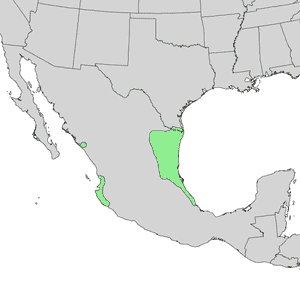
This spiky bush, featuring bright yellow blossoms, flourishes with little upkeep. For mexican holdback, trim following its flowering period, in late spring or early summer, to preserve its form and eliminate any impaired or ailing branches. Removing older stalks promotes fresh development and boosts air movement, thereby improving the plant's well-being. Trimming additionally encourages the creation of flowers for the subsequent season and manages the thick leaves, guaranteeing a pleasing appearance.
What Are the Benefits of Pruning Mexican Holdback?
What Are the Benefits of Pruning Mexican Holdback?
Trimming mexican holdback promotes abundant flowering and strengthens its resistance to pests and illnesses, ensuring robust and attractive development while maintaining a manageable size.
What Is the Best Time for Pruning Mexican Holdback?
What Is the Best Time for Pruning Mexican Holdback?
Mexican holdback should be trimmed in late spring or early summer to align with its growth cycle and bloom period. Pruning during these times encourages new growth and helps maintain the plant's form and dimensions. As mexican holdback typically flowers on new wood, pruning at this time ensures the plant will have ample opportunity to produce fresh flowering shoots. Additionally, pruning after the last frost helps prevent damage to new growth that could occur in colder conditions. The plant's health is also a consideration; pruning in late spring or early summer allows for vigorous growth while reducing the risk of disease, as cuts heal faster in warmer weather.
What Tools Do I Need to Prune Mexican Holdback?
Hand Pruners
Perfect for cutting through small stems and branches of mexican holdback, hand pruners offer precision and ease of use.
Lopping Shears
Best for trimming thicker branches that hand pruners cannot manage, these provide leverage and are suitable for shaping mexican holdback.
Pruning Saw
For the thickest branches of mexican holdback, a pruning saw can make clean cuts without harming the plant.
Hedge Shears
If shaping the canopy or creating a formal hedge, hedge shears can uniformly trim the foliage of mexican holdback.
Gloves
Hand protection for the gardener is crucial due to the thorns and rough texture of mexican holdback.
How to Prune Mexican Holdback
Remove Diseased And Dead Materials
Inspect mexican holdback and remove any diseased leaves, withered leaves, dead branches, and diseased branches using sharp, sterilized pruning shears. Cut back to healthy tissue to prevent the spread of disease.
Revitalize Flowering
Prune withered flowers from mexican holdback to encourage new blooms. Make the cut just above a leaf node or bud to stimulate new growth.
Control Growth
Identify branches of mexican holdback that contribute to excessive growth and lightly thin them out. Prune back to a lateral branch or the main trunk, focusing on maintaining the plant's natural shape.
Clean Cut
Ensure all cuts on mexican holdback are clean and at a 45-degree angle to promote healing and prevent water accumulation that could lead to rot or disease.
Post Prune Care
After pruning mexican holdback, clean all tools and dispose of the pruning debris. Apply a thin layer of mulch around the base to help the plant retain moisture and provide nutrients as it recovers.
Common Pruning Mistakes with Mexican Holdback
Over-Pruning
Removing too much foliage at once can shock mexican holdback, leading to stunted growth or even death. It's crucial to prune sparingly and never remove more than one-third of the plant's growth in a single pruning session.
Improper Cut Placement
Mexican holdback has specific nodes where pruning cuts should be made. Incorrect cut placement can damage the plant and hinder its natural growth pattern, risking disease and poor bloom.
Using Dull Tools
Using dull or dirty pruning tools can cause jagged cuts that take longer to heal, opening mexican holdback up to infection and disease. Always use sharp, clean tools to make clean cuts.
Pruning Healthy Growth
Removing healthy branches can limit the plant's flowering potential. Focus on cutting back dead, diseased, or damaged branches to encourage healthy growth and flowering in mexican holdback.
Ignoring Plant'S Natural Shape
Mexican holdback benefits from occasional shaping, but aggressive reshaping may compromise its natural form and vitality. Pruning should enhance, not alter, the inherent growth habit.
Common Pruning Tips for Mexican Holdback
Identify Growth Nodes
Locate the nodes where new growth emerges on mexican holdback. Pruning just above these nodes encourages bushier growth and more flowers.
Gradual Shaping
Shape mexican holdback gradually over several seasons, rather than attempting significant shape changes in one go. This approach will maintain the health and structural integrity of the plant.
Thinning Interior Branches
Remove some of the interior branches to improve air circulation and light penetration throughout mexican holdback. This can help prevent disease and promote even flowering.
Focus On Dead And Damaged Branches
Regularly remove any dead or damaged branches to help mexican holdback direct its energy towards healthy growth and prolific blooming. Make clean cuts to minimize stress on the plant.
Clean Equipment
Before and after pruning mexican holdback, disinfect tools to prevent the spread of pathogens. Clean cuts will heal faster and lower the risk of disease.



