How to Transplant Northern bluethread?
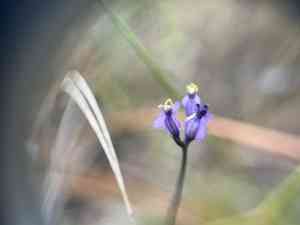
Northern bluethread flourishes when relocated from early fall through late autumn, benefiting from lower temperatures and elevated soil hydration. For optimal development, select a site with good drainage and ample sunlight, ensuring it becomes firmly rooted prior to the winter season.
What Preparations are Needed Before Relocating Northern Bluethread?
What is the Ideal Time for Relocating Northern Bluethread?
Northern bluethread is best moved during the cooler period from early to late autumn. Relocating at this time aids in root establishment prior to winter dormancy. Furthermore, the mild weather lessens transplant shock and helps prevent rapid moisture loss, ensuring a healthier start for spring growth.
How Much Space Should You Leave Between Northern Bluethread Plants?
When relocating northern bluethread, ensure you position the plants 12-24 inches (30-60 cm) apart. This provides ample room for growth and development without overcrowding.
What is the Best Soil Mix for Northern Bluethread Relocation?
For northern bluethread, utilize well-draining soil rich in organic material. Prepare the soil by incorporating some compost or a balanced base fertilizer to supply essential nutrients.
Where Should You Relocate Your Northern Bluethread?
Select a location that receives full sun to partial shade for relocating northern bluethread. They require ample sunlight to develop robustly and healthily.
What Equipment Should You Prepare Before Relocating Northern Bluethread?
Gardening Gloves
To safeguard your hands while handling soil and plants.
Hand Trowel
For excavating small holes in preparation for planting.
Shovel or Spade
To dig up the plant if it is being removed from the ground.
Watering Can or Hose
To hydrate the plant before and immediately following relocation.
Pruners
For trimming any damaged roots or foliage.
Bucket
To transport the plant if necessary during the relocation process.
How Do You Remove Northern Bluethread from the Soil?
How Do You Remove Northern Bluethread from the Soil?
From Ground: First, water the northern bluethread plant to moisten the soil. Then, excavate a wide trench around the plant using a shovel or spade, ensuring the plant's root ball remains intact. Carefully work the spade beneath the root ball to lift the plant from its original spot.From Pot: Hydrate the plant thoroughly before removal to dampen the soil. Gently tap the sides of the pot to loosen the soil. Grasp the base of the plant and carefully invert the pot, allowing the plant and soil to slide out while supporting the root ball.From Seedling Tray: Water the seedlings before attempting removal to make the soil easier to manage. Use a hand trowel or spoon to carefully lift each seedling by the root ball, ensuring support for the plant just above the roots.
Step-by-Step Guide for Relocating Northern Bluethread
Prepare the New Site
Ensure the new planting location is ready with a hole twice the size of the root ball. The hole should be deep enough to accommodate the entire root system of the northern bluethread.
Remove the Plant
Following the specific methods outlined for removing northern bluethread from the ground, pot, or seedling tray, ensure the plant is disturbed as little as possible.
Transfer the Plant
Place the northern bluethread into the hole, ensuring it sits at the same depth as it was in its previous location. The top of the root ball should be level with the ground surface.
Backfill the Hole
Fill in the hole with soil, gently firming it around the plant to eliminate air pockets. Avoid compacting the soil too much to ensure roots can spread easily.
Water the Plant
Thoroughly water the newly relocated northern bluethread to help settle the soil and support the plant in its new environment.
How Do You Care For Northern Bluethread After Relocating?
Watering
Keep the soil around the northern bluethread consistently moist, but not waterlogged, for the first few weeks after relocating to help establish strong roots.
Mulching
Apply a layer of mulch around the base of the plant to help retain moisture and regulate soil temperature.
Monitoring
Regularly inspect the plant for signs of stress, such as wilting or yellowing leaves, and adjust care as needed.
Pruning
Remove any damaged or dead foliage to help the plant focus its energy on establishing in its new location.
Troubleshooting Common Issues with Northern Bluethread Relocation.
When's the best time to relocate northern bluethread?
The ideal time is from early fall to late fall, ensuring a smooth transition.
How far apart should I space northern bluethread plants?
Space each northern bluethread plant 12-24 inches (30-60 cm) apart for optimal growth.
What kind of soil is best for relocating northern bluethread?
Use well-draining soil with good organic content to support healthy root development.
How should I prepare the soil for northern bluethread?
Loosen the soil to a depth of 6-8 inches (15-20 cm) and mix in compost.
How do I minimize relocation shock for northern bluethread?
Water thoroughly after relocating and provide partial shade for a few days for recovery.
What temperature is ideal for relocating northern bluethread?
Relocate northern bluethread in temperatures between 60-70°F (15-21°C) for best results.
How much water does northern bluethread need after relocating?
Water deeply immediately after relocating and keep the soil consistently moist, not waterlogged.
Can I fertilize northern bluethread right after relocating?
Avoid fertilizing immediately. Wait for 2-3 weeks before applying a balanced fertilizer.
What common pests should I watch out for when relocating northern bluethread?
Watch for aphids and snails. Regular inspections and organic treatments can keep them at bay.
Should I prune northern bluethread after relocating?
Pruning isn't necessary immediately. Allow the plant to establish itself before considering any trimming.



