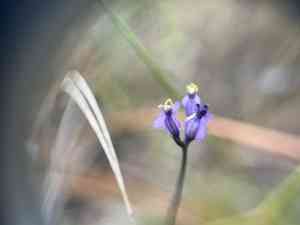
Northern bluethread (Burmannia biflora)
Also known as: Two-flowered Burmannia
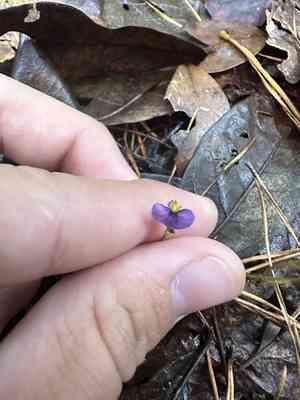
Burmannia biflora thrives in low-lying, wet environments such as swamps, bogs, ditches, and along lake shores, typically found at elevations below 100 meters. This annual herb can reach up to 20 cm in height. Its blue flowers, occasionally with white edges, are arranged in a loose cyme with up to 12 blooms, each featuring three wings.
In This Article
Attributes of Northern bluethread
Lifespan
Annual
Plant Type
Herb
Plant Height
0 mm to 30 cm
Spread
N/A
Leaf Color
N/A
Flower Size
0.5-1 cm
Flower Color
Blue or violet
Images of Northern bluethread
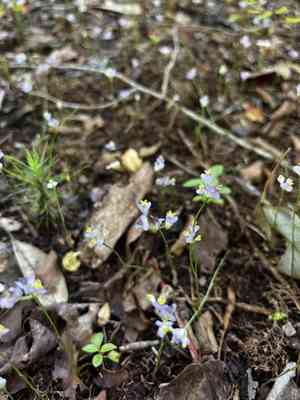
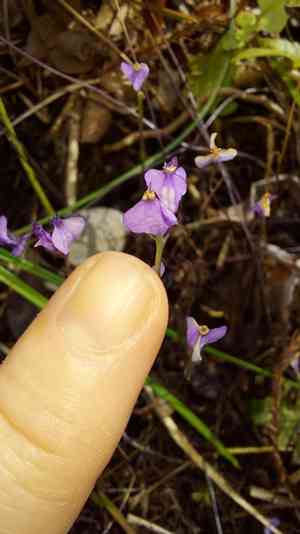
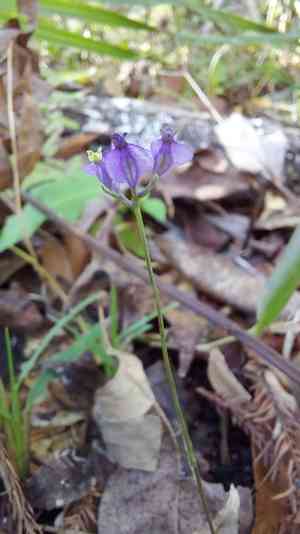
Quickly Identify Northern bluethread
1
Burmannia biflora can be identified by its slender, erect stem and the presence of two small flowers. The flowers are typically blue or violet with a tubular shape. The plant lacks true leaves and instead has small, scale-like structures along its stem.
Scientific Classification of Northern bluethread
Phylum
Vascular plants
Class
Monocotyledons
Order
Dioscoreales
Family
Burmannia
Genus
Burmannia
Species
Northern bluethread
Planting and Growing of Northern bluethread
Care Difficulty
Hard
Watering Schedule
Every 5 days
Sunlight Requirements
Partial sun
Sunshine Duration
4-8 hours
Ideal Temperature
60-75℉
Soil Type
Potting Mix, Peat Mix
Soil pH
6.5-7.5
Fertilizer Type
Balanced
Pruning Season
Spring, Summer
Pruning Area
Branches, Leaves
Pruning Frequency
2 times a year
Repotting Season
Spring
Pot Type
Plastic, Ceramic
 How to Water Northern bluethread?
When watering Burmannia biflora, it's important to ensure that the soil is thoroughly moistened but not waterlogged. Aim for about 100 ml of water each time, ensuring that the water allows the soil to become damp without excess pooling at the surface.
What are the symptoms of an underwatered Northern bluethread?
›
What should I do if my Northern bluethread is not getting enough water?
›
What are the symptoms of an overwatered Northern bluethread?
›
How to save an overwatered Northern bluethread?
›
 What Are the Sunlight Requirements for Northern bluethread?
Burmannia biflora thrives in partial sun with dappled sunlight exposure. This range supports photosynthesis effectively without causing stress. Ideal lighting conditions result in healthy growth, maintaining robust stems and vibrant foliage, enhancing its capacity to bloom.
How much sunlight does Burmannia biflora need?
›
Where is the best location for planting?
›
What are the benefits of ideal lighting?
›
 What Is the Ideal Temperature Range for Northern bluethread?
The ideal temperature range for Burmannia biflora cultivation is between 60°F and 75°F. Within this range, the plant can optimally photosynthesize and grow. Consistent temperatures ensure that metabolic processes are stable and efficient, allowing the plant to thrive and produce healthy foliage and flowers.
 What Soil is Best for Northern bluethread?
Burmannia biflora thrives in consistently moist soil, which helps prevent dehydration and promotes nutrient absorption. Consistent moisture maintains its delicate root system and enhances overall health. This plant favors well-draining soil to avoid waterlogging, which can lead to root rot. A well-drained environment ensures its roots stay healthy and oxygenated, crucial for its growth. Burmannia biflora benefits from soil rich in organic matter, which supplies essential nutrients for growth. The presence of nutrients supports its flowering and resilience to environmental stresses.
 How to Fertilize Northern bluethread?
For Burmannia biflora, it is essential to provide moderate amounts of fertilizer. Use a diluted liquid fertilizer at half the strength recommended for other houseplants. Excessive nutrients can burn the roots, while too little won't support proper growth. Aim for a balance that encourages healthy foliage and flowering without overwhelming the plant.
 How to Prune Northern bluethread?
Begin by inspecting your Burmannia biflora for any dead or diseased leaves and stems. Use your pruning shears to remove these parts to prevent any potential spreading of disease within the plant. After removing dead parts, focus on shaping the plant. Trim back overgrown branches to maintain the desired size and form. This not only keeps your plant looking neat but also ensures balanced growth. Prune the tips of branches to encourage bushier growth. By cutting just above a leaf node, you stimulate the plant to produce new stems and leaves, enhancing its density and visual appeal.
More About Pruning Techniques→
 How to Propagate Northern bluethread plant?
1
Gently scatter Burmannia biflora seeds on the surface of damp potting soil in your seed tray. Do not cover them with soil as they need light to germinate. Lightly mist the surface with water to ensure that they remain moist.
2
Place the seed tray in a location where it can receive indirect sunlight. Maintain a temperature between 20°C and 25°C, which is optimal for germination. Use a clear lid or plastic wrap to create a greenhouse effect while ensuring adequate air circulation.
3
After germination, usually within a couple of weeks, monitor the seedlings' growth closely. Once they develop a set of true leaves, carefully transplant them into individual pots or the ground, taking care to disturb the roots as little as possible.
 How to Repot Northern bluethread plant?
1
Look for signs of cramped roots protruding from drainage holes or sluggish growth. These indicate that Burmannia biflora needs a roomier environment to flourish. Ensure you catch these signs early in Spring or Summer for optimal growth conditions.
2
Select a pot that is only slightly larger than the current one; about 1-2 inches wider in diameter. This prevents waterlogging and root rot, offering enough space for growth while maintaining necessary moisture control within the substrate.
3
Opt for a well-draining acidic soil mix that mimics its natural habitat. Such soil will ensure proficient drainage, preventing root rot while adequately supplying nutrients necessary for the plant's health and vigor.
Learn More About Northern bluethread Diseases
Bacterial Leaf Spot
Bacterial Soft Rot
Bacterial Wilt
Chemical Injury
Cyst Nematode
Damping-off
Downy Mildew
Drought Stress
Fusarium Wilt
Gray Mold
Leaf Spot
Mosaic
Nutrient Deficiency
Nutrient Toxicity
Powdery Mildew
Root Rot
Root-knot Nematode
Rusts
Sooty Mold
Spider Mites
Temperature Stress
Thrips Damage
White Mold



