How to Propagate Northern bluethread?
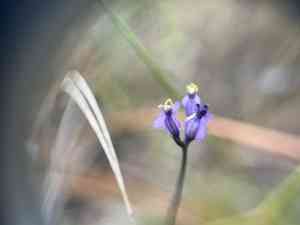
Northern bluethread, a fragile wetland flora, flourishes optimally in damp, adequately drained substrate fortified with organic compounds. To facilitate its reproduction, scatter seeds on the soil's surface, leaving them exposed, as illumination assists in their sprouting. Sustain uniform dampness and provide a humid atmosphere with a propagation lid or plastic sheet until the seeds emerge. Periodically check the soil's hydration to avert desiccation, which could impede germination and the development of young plants.
When Is the Optimal Time to Propagate Northern Bluethread?
Propagation Method
Seeding
Propagation Period
Spring
What Equipment Is Used in Northern Bluethread Propagation?
Seed Trays
Seed trays offer a controlled setting for initiating northern bluethread seeds. They guarantee proper spacing and simplify the handling of delicate seedlings. Trays aid in sustaining moisture levels and support robust seedling development.
Fine-Grade Seed Starting Mix
A fine-grade seed starting mix is crucial for northern bluethread as it provides a light, well-draining medium that encourages good root growth and lessens the chance of damping-off disease.
Humidity Domes
Humidity domes are vital for sustaining high humidity levels, which benefits the initial germination phase of northern bluethread. They keep the air around the seeds moist, boosting germination rates.
Grow Lights
Supplying a consistent light source with grow lights ensures that northern bluethread seedlings receive adequate illumination, especially when natural sunlight is insufficient. It supports strong, healthy development and prevents leggy seedlings.
Spray Bottle
A spray bottle enables gentle watering of northern bluethread seeds and seedlings without disturbing the delicate soil structure. It helps maintain appropriate moisture levels without overwatering.
Seedling Heat Mat
Utilizing a seedling heat mat can enhance the germination rate of northern bluethread by providing consistent bottom warmth, which is particularly advantageous in cooler climates or during early spring planting.
Labeling Stakes
Labeling stakes assist in keeping track of the northern bluethread seeds, especially when planting multiple varieties. This ensures correct identification and care throughout the propagation process.
Fine Sieve
A fine sieve is employed to cover the northern bluethread seeds with a thin layer of fine soil or grit, which can aid in better seed-to-soil contact and promote uniform germination.
How to Propagate Northern Bluethread?
Propagation Type
Simple
How to Care for Your Newly Propagated Northern Bluethread?
How to Care for Your Newly Propagated Northern Bluethread?
Once sprouting occurs, gradually introduce the seedlings to a less humid environment by removing the cover for increasing durations daily. Keep the young plants in partial shade and provide consistent moisture without saturating the medium. Regularly check for pests or diseases and apply suitable treatments when necessary. As the seedlings mature, ensure the substrate remains slightly acidic to support healthy growth. Transplant the seedlings into individual pots with similar substrate once they are robust enough to handle the change.
Common Errors to Avoid When Propagating Northern Bluethread
Improper Soil Composition
Using soil that is too compact or rich in organic matter can impede northern bluethread's growth due to poor drainage, leading to root rot or fungal infections.
Overwatering
Providing too much water can saturate the soil, suffocating the plant's roots and causing root decay.
Inadequate Light
Placing northern bluethread in low light conditions can hinder its growth and affect its ability to propagate effectively.
Incorrect pH Levels
Failing to maintain the slightly acidic to neutral soil pH can inhibit nutrient absorption, leading to poor plant health.
Ignoring Pests and Diseases
Neglecting to check for pests and diseases can lead to significant damage and impede the propagation process.
Tips For Propagating Northern Bluethread
Choose Appropriate Soil
Use a well-draining, sandy or gritty soil mix to ensure that northern bluethread does not suffer from waterlogged roots.
Monitor Watering
Water sparingly, allowing the soil to dry out slightly between waterings to prevent root rot.
Ensure Sufficient Light
Provide bright, indirect sunlight to help northern bluethread thrive and promote healthy growth.
Maintain Proper pH
Keep the soil pH between 5.5 and 7.0, which is ideal for northern bluethread's nutrient uptake.
Regular Pest Inspections
Routinely check for pests such as aphids or fungal infections and treat them promptly to maintain plant health.



