How to Transplant Chinese thoroughwax?
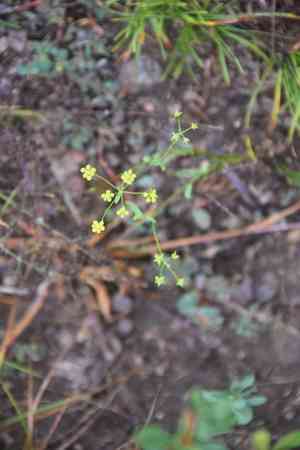
The optimal period for relocating Chinese thoroughwax spans from the refreshing onset of early spring through the mild temperatures of late spring, allowing its root system to establish prior to the summer heat. Chinese thoroughwax flourishes in a brightly lit spot with soil that drains effectively. It is crucial to preserve the root ball's integrity for a successful transfer.
What Preparations are Needed Before Transplanting Chinese Thoroughwax?
What is the Ideal Time for Transplanting Chinese Thoroughwax?
The best time to move chinese thoroughwax is from March to May, as winter's chill recedes and spring's warmth arrives. This period allows chinese thoroughwax sufficient time to settle in before the summer heat. Relocating chinese thoroughwax during this window aligns with its natural growth cycle, promoting robust development. You'll be rewarded with a strong plant, ready to flourish through summer and beyond. Remember: this timing supports chinese thoroughwax's natural readiness for growth, ensuring a smooth transition to its new location.
How Much Space Should You Leave Between Chinese Thoroughwax Plants?
When transplanting chinese thoroughwax, provide ample room for growth! Space them approximately 12-18 inches (30-45 cm) apart. This spacing enables roots to spread and plants to develop without competing for nutrients or sunlight.
What is the Best Soil Mix for Chinese Thoroughwax Transplanting?
For chinese thoroughwax, a well-draining loamy or sandy soil is ideal. Enhance the soil with a balanced, slow-release fertilizer before planting to supply your chinese thoroughwax with the necessary nutrients for a strong start.
Where Should You Relocate Your Chinese Thoroughwax?
Select a site for chinese thoroughwax where they will receive abundant sunlightâpreferably a location with full sun to partial shade. This ensures your chinese thoroughwax gets the appropriate light levels to bloom beautifully.
What Equipments Should You Prepare Before Transplantation Chinese Thoroughwax?
Gardening Gloves
To safeguard your hands while handling soil and plants.
Spade or Shovel
For excavating the plant and preparing the new garden hole.
Watering Can or Hose
To hydrate the chinese thoroughwax before and after relocation.
Pruning Shears
To trim any dead or overgrown parts.
Wheelbarrow or Garden Cart
To move the chinese thoroughwax and soil.
Garden Fork
To loosen the soil surrounding the chinese thoroughwax's root ball.
Trowel
For precise soil adjustments and detailed work.
Mulch
To help retain moisture and inhibit weed growth around the new planting area.
Support Stakes
If chinese thoroughwax is a taller variety, stakes might be needed to keep it upright.
Ties or Soft Plant Ties
To secure chinese thoroughwax to the support stakes.
How Do You Remove Chinese Thoroughwax from the Soil?
How Do You Remove Chinese Thoroughwax from the Soil?
From Ground: First, ensure the soil is damp by watering the chinese thoroughwax beforehand. Dig a wide circle around the plant with a garden fork or spade to prevent root damage. Gently work your tool beneath the root ball and lift, taking as much of the root ball as possible.From Pot: Water the chinese thoroughwax to facilitate its removal. Tilt the pot sideways and gently tap to loosen the soil. Grasp the plant's base and carefully ease it out, ensuring the root ball is supported.From Seedling Tray: Moisten the soil before attempting to extract the seedling. Use a trowel to carefully lift the seedling, supporting its root system as you do so.
Step-by-Step Guide for Transplanting Chinese Thoroughwax
Preparation
Choose a cool, cloudy day for transplanting to minimize stress on the chinese thoroughwax. Water the plant thoroughly the day prior to moving it.
Digging New Hole
Excavate a hole twice the width of the chinese thoroughwax's root ball and of equal depth. Break up the soil at the bottom to encourage root penetration.
Removal
Extract the chinese thoroughwax from its current spot using the method described above, preserving the root system.
Placement
Position the chinese thoroughwax in the center of the new hole. The top of the root ball should be level with the surrounding soil surface.
Filling Hole
Carefully backfill the hole with soil, gently tamping down around the root ball to eliminate air pockets.
Watering
Water the chinese thoroughwax thoroughly to settle the soil and hydrate the roots.
Adding Mulch
Apply a layer of mulch around the base of the chinese thoroughwax to help conserve moisture and regulate soil temperature.
Stake if Necessary
If the chinese thoroughwax is tall and susceptible to wind damage, provide support with stakes and ties, being careful not to harm the stem or roots.
How Do You Care For Chinese Thoroughwax After Transplanting?
Consistent Watering
Maintain steady moisture for the newly transplanted chinese thoroughwax, watering deeply to encourage root growth, and adjust frequency based on weather conditions.
Observation
Keep a close eye on the chinese thoroughwax for signs of stress such as wilting or discolored leaves, and act quickly to mitigate by adjusting care.
Pruning
Prune any damaged or dead parts to focus the chinese thoroughwax's energy on establishing new growth.
Protection
If harsh weather is expected, provide temporary shielding for the chinese thoroughwax with covers or windscreens.
Avoiding Fertilizer
Wait to fertilize until the chinese thoroughwax has shown signs of new growth and full recovery from the transplant shock, as premature fertilization can harm the delicate roots.
Troubleshooting Common Issues with Chinese Thoroughwax Transplantation.
Why are my chinese thoroughwax plants wilting after transplanting?
Wilting can occur if chinese thoroughwax suffers from root shock or inadequate watering. Ensure the soil is consistently moist and provide shade to help them recover.
What is the best time to transplant chinese thoroughwax?
The optimal transplanting period for chinese thoroughwax is when temperatures are mild, typically early to late spring, to give them time to establish before hotter weather.
How much space do chinese thoroughwax need when transplanting?
Aim to space chinese thoroughwax about 12-18 inches (30-45 cm) apart. This allows ample room for growth and sufficient airflow between plants.
Can I transplant chinese thoroughwax in full sun?
Yes, chinese thoroughwax thrives in full sun but acclimate them slowly if they were previously in a shadier spot to prevent sunburn.
My chinese thoroughwax looks droopy post-transplant, what should I do?
Droopiness is often a response to transplant shock. Keep the soil uniformly moist and protect the plant from strong winds as it settles in.
How do I know if my chinese thoroughwax has enough water after transplanting?
After transplanting, water chinese thoroughwax deeply. The soil should be moist but not waterlogged. Check by feeling the soil; it should be damp an inch down.
How deep should I plant chinese thoroughwax when transplanting?
Transplant chinese thoroughwax at the same depth it was growing at before. Planting too deep can cause stem rot, while too shallow can dry out the roots.
Should I amend the soil when transplanting chinese thoroughwax?
Yes, enriching the soil with compost or a balanced fertilizer will give chinese thoroughwax a good start and promote healthy growth.
Can I transplant chinese thoroughwax during the heat of summer?
Itâs best to avoid transplanting chinese thoroughwax in the summer heat. If necessary, provide extra water and shade to reduce stress.
Why are my transplanted chinese thoroughwax not flowering?
Flowering may not occur immediately post-transplant as chinese thoroughwax focuses on root establishment. Ensure they get enough sunlight and patience usually rewards with blooms.



