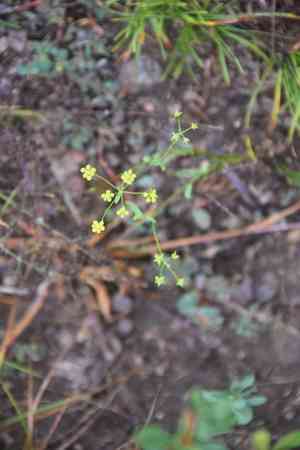
Chinese thoroughwax (Bupleurum chinense)
Also known as: Chinese Thoroughwax, Chai Hu
Due to its growth form and inflorescence shape, the chinese thoroughwax resembles fennel (Foeniculum vulgare), though its flowers look like those in Lady’s mantle (Alchemilla spp.). This perennial plant is sometimes used as a garden plant, usually as a backdrop.
In This Article
Attributes of Chinese thoroughwax
Lifespan
Perennial
Plant Type
Herb
Plant Height
50 cm to 85 cm
Spread
60 cm
Leaf Color
Green
Flower Size
1.2 mm to 1.8 mm
Flower Color
Yellow Green
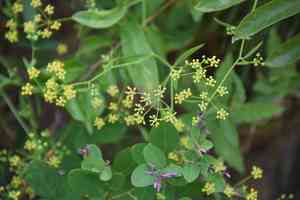
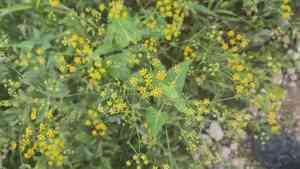
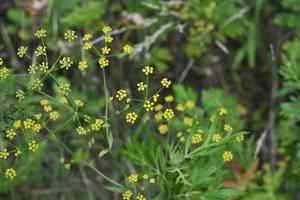
Images of Chinese thoroughwax
Quickly Identify Chinese thoroughwax
1
Bupleurum chinense can be identified by its height, which typically ranges from 50-100 cm. It has slender, lanceolate leaves and small, greenish-yellow flowers arranged in umbels. The stem is ribbed and often hollow.
Scientific Classification of Chinese thoroughwax
Phylum
Vascular plants
Class
Dicotyledons
Order
Apiales
Family
Umbellifers
Genus
Thorow wax
Species
Chinese thoroughwax
Planting and Growing of Chinese thoroughwax
Care Difficulty
Easy
Watering Schedule
Every 2 days
Sunlight Requirements
Partial sun
Sunshine Duration
6-10 hours
Ideal Temperature
60-75℉
Soil Type
Potting Mix, Peat Mix
Soil pH
6.5-7.5
Fertilizer Type
Balanced
Pruning Season
Spring, Summer
Pruning Area
Branches, Leaves
Pruning Frequency
2 times a year
Repotting Season
Spring
Pot Type
Plastic, Ceramic
 How to Water Chinese thoroughwax?
For Bupleurum chinense, the watering amount should be sufficient to moisten the soil evenly, approximately 500 milliliters per session. This ensures that the plant's roots receive adequate moisture without becoming waterlogged. The goal is to maintain a balance where the soil remains slightly moist yet allows good drainage to prevent root rot.
What are the symptoms of an underwatered Chinese thoroughwax?
›
What should I do if my Chinese thoroughwax is not getting enough water?
›
What are the symptoms of an overwatered Chinese thoroughwax?
›
How to save an overwatered Chinese thoroughwax?
›
 What Are the Sunlight Requirements for Chinese thoroughwax?
Bupleurum chinense thrives best within partial sun exposure, ideally receiving 4 to 6 hours of filtered sunlight. This range ensures balanced energy intake, promoting vibrant growth and reducing stress.
More About Sunlight Requirements Techniques→
How much sunlight is ideal for Bupleurum chinense?
›
What solutions are available to meet Bupleurum chinense's light needs?
›
What benefits arise from Bupleurum chinense receiving ideal sunlight?
›
 What Is the Ideal Temperature Range for Chinese thoroughwax?
The ideal temperature range for Bupleurum chinense cultivation lies between 60°F and 75°F. This range supports optimal growth, ensuring vigorous plant development and health. Maintaining these temperatures fosters robust physiological processes like photosynthesis and nutrient uptake, crucial for flourishing growth.
 What Soil is Best for Chinese thoroughwax?
Bupleurum chinense thrives in well-drained soils, preventing root rot and encouraging robust growth. This type of soil ensures adequate aeration and water movement, crucial for healthy root development. The plant requires nutrient-rich soil to support its medicinal properties and vitality. Loam soils often provide the right balance of nutrients, supporting healthy foliage and root strength. Keeping the soil moderately moist ensures that the plant receives steady hydration without waterlogging. This balance is key to sustaining Bupleurum chinense's growth and medicinal potency.
 How to Fertilize Chinese thoroughwax?
Bupleurum chinense responds best to moderate fertilization. When using liquid fertilizer, apply approximately 200 ml per plant per session, ensuring the soil is moist before application to help with nutrient absorption. For solid, slow-release fertilizers, apply around 50 grams per plant annually. This amount supports healthy growth without overwhelming the plant's root system.
 How to Prune Chinese thoroughwax?
Begin by removing dead or diseased stems at the base. Trim back any leggy growth to encourage bushier foliage. Aim to create an open shape for sunlight penetration. Pinch off new growth tips to stimulate branching and a fuller appearance. This technique helps maintain the plant’s shape and encourages dense leaf production.
More About Pruning Techniques→
 How to Propagate Chinese thoroughwax plant?
1
Start by soaking Bupleurum chinense seeds in warm water for 12-24 hours, which helps soften the seed coat and potentially increases germination rates.
2
For division, lift the entire plant from the soil and gently tease apart the roots with a clean knife, making sure each section has enough roots to sustain growth.
3
Place seeds in prepared seed trays or the divided roots in a pot with well-draining soil. Cover seeds lightly or plant root divisions deeply enough to stabilize them.
 How to Repot Chinese thoroughwax plant?
1
Repot Bupleurum chinense when you observe slowed growth or roots emerging from drainage holes. These signs suggest the plant is root-bound, needing more space for new root and foliage growth. Spring, specifically early spring, before new growth begins, is the optimal time to repot, giving the plant a stronger growing season start.
2
Select a pot one size larger, providing sufficient space for root expansion while avoiding water stagnation risks in overly large pots. The pot should have ample drainage holes to prevent waterlogged condition and potential root rot. Material choice, like terracotta, aids in moisture management through its breathable nature.
3
Opt for loamy, well-drained potting mix rich in organic matter to mimic natural habitat. Well-drained soil prevents root rot by ensuring proper aeration and water passage. This mixture supports healthy root development and sustained plant growth by providing essential nutrients.
Learn More About Chinese thoroughwax Diseases
Anthracnose
Bacterial Leaf Spot
Bacterial Soft Rot
Bacterial Wilt
Chemical Injury
Crown Gall
Cyst Nematode
Damping-off
Downy Mildew
Drought Stress
Fusarium Wilt
Gray Mold
Leaf Spot
Mosaic
Nutrient Deficiency
Nutrient Toxicity
Powdery Mildew
Root Rot
Root-knot Nematode
Rusts
Sooty Mold
Spider Mites
Temperature Stress
Thrips Damage
White Mold



