How to Prune Chinese thoroughwax?
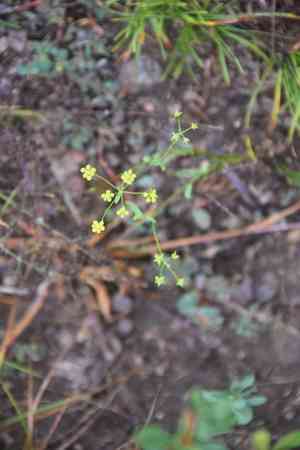
Celebrated for its therapeutic attributes, Bupleurum chinense flourishes with regular trimming. The period following the final frost in spring or early summer is perfect for cutting back to foster denser development and eliminate faded blossoms, thereby boosting vigor and flower yield. Snip off the ends and shorten elongated stalks by as much as one-third. Consistent removal of spent flowers encourages fresh ones. Disinfect implements to avert pathogen dissemination. Trimming not only preserves form and dimensions but also stimulates more robust foliage and fortifies the plant.
Advantages of Trimming Chinese Thoroughwax
Advantages of Trimming Chinese Thoroughwax
Trimming chinese thoroughwax promotes robust development and maintains its desired form, ensuring the plant stays healthy and visually appealing while potentially boosting its medicinal qualities.
Optimal Time for Trimming Chinese Thoroughwax
Optimal Time for Trimming Chinese Thoroughwax
Trimming chinese thoroughwax in Spring, specifically after the final frost, is ideal as it encourages strong new growth and aids in shape and health maintenance. The renewed energy reserves post-dormant winter phase are redirected to support fresh shoots and leaves. Early Summer pruning, prior to blooming, allows gardeners to remove any dead or weak stems without impacting the plant's flowering cycle. It's crucial to avoid pruning late in the growing season to prevent new growth that may not endure winter conditions.
Necessary Tools for Trimming Chinese Thoroughwax
Hand Pruners
Chinese thoroughwax's stems are not particularly thick, so sharp hand pruners should suffice for making clean cuts without harming the plant tissue. Hand pruners offer precise control, vital for thinning or shaping chinese thoroughwax.
Pruning Shears
For trimming softer or smaller growth, quality pruning shears can be beneficial. They provide a scissor-like action perfect for cutting herbaceous stems without causing undue stress to chinese thoroughwax.
Gardening Gloves
Although chinese thoroughwax lacks large thorns, wearing gardening gloves can shield the gardener's hands from minor nicks and scratches, ensuring a safe pruning experience.
Pruning Saw
If chinese thoroughwax has older or woody stems needing removal, a pruning saw might be necessary. It facilitates cutting through thicker stems beyond hand pruners' capacity. However, this tool will likely be rarely needed for chinese thoroughwax.
How to Trim Chinese Thoroughwax
Clean tools
Before starting to prune chinese thoroughwax, clean and sanitize all pruning tools with a bleach or alcohol solution. This helps prevent disease transmission between plants.
Inspect plant
Examine chinese thoroughwax for any indications of illness or wilting. Identify the diseased leaves, withered leaves, and diseased stems that require removal.
Remove diseased leaves
Using sharp, sterilized pruning shears, carefully snip off the diseased and withered leaves from chinese thoroughwax. Make clean cuts at the base of each leaf to avoid damaging the plant's healthy parts.
Prune diseased stems
Cut back diseased stems on chinese thoroughwax, pruning to the nearest healthy node or the plant's base. Make the cut 1/4 inch above the node at a 45-degree angle to promote healing and prevent water accumulation.
Dispose waste
Gather all removed material (diseased leaves and stems) and discard them away from healthy plants to minimize disease spread. Do not compost diseased plant matter.
Common Trimming Errors with Chinese Thoroughwax
Excessive Pruning
Removing too much foliage from chinese thoroughwax at once can stress the plant, leading to reduced vigor and potentially harming its growth.
Incorrect cut placement
Cutting too far from a bud or node, or into healthy tissue can cause unnecessary harm to chinese thoroughwax, impeding its natural healing process.
Using dull tools
Trimming chinese thoroughwax with dull tools can result in jagged cuts that are more vulnerable to disease and pests.
Pruning without disinfection
Failing to disinfect pruning tools before use on chinese thoroughwax can spread pathogens from one plant to another.
Ignoring plant shape
Not considering the natural shape and growth pattern of chinese thoroughwax during pruning can lead to an unattractive appearance and unbalanced growth.
General Trimming Advice for Chinese Thoroughwax
Sharp clean tools
Utilize sharp, clean pruning shears to make precise cuts that heal quickly and minimize disease risk for chinese thoroughwax.
Cutting technique
Make angled cuts just above a leaf node or branching point to encourage desirable growth without leaving unnecessary stubs on chinese thoroughwax.
Regular maintenance
Periodically remove dead or diseased foliage from chinese thoroughwax to maintain plant health and prevent disease spread.
Consider growth habit
Prune chinese thoroughwax by considering its growth habit; selectively thin out crowded areas to improve air circulation and light penetration.
Prune after flowering
While the pruning season is not mentioned, it's important to prune chinese thoroughwax after flowering to avoid accidentally removing buds that will produce next season's blooms.



