How to Transplant Leek lily?
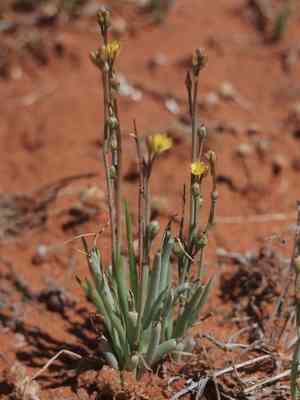
Leek lily flourishes when relocated from the beginning to the end of spring, benefiting from the warmer ground and extended daylight. Select a spot receiving ample sunlight and possessing good drainage to guarantee peak development.
Necessary Preparations Before Relocating Leek Lily?
Optimal Period for Relocating Leek Lily?
The prime window for relocating leek lily spans from early to late spring. This timing enables the plant to develop robust root systems prior to summer's heat. Moving it during this phase guarantees peak growth and vitality, capitalizing on moderate temperatures and increased moisture. It fosters successful adaptation and boosts overall plant health.
Recommended Spacing Between Leek Lily Specimens?
When relocating leek lily, ensure a separation of approximately 10-12 inches (25-30 cm) between them. This provides ample room for development and flourishing without excessive crowding.
Ideal Soil Mixture for Leek Lily Relocation?
For its substrate, leek lily prefers well-draining soil enriched with some organic matter. Incorporating a foundational fertilizer such as compost or a balanced slow-release type can supply vital nutrients.
Where Should Your Leek Lily Be Replanted?
Leek lily flourishes best in full sun exposure. Select a garden spot that receives at least 6 hours of direct sunlight daily to ensure vigorous growth and vibrant blooms.
Equipment Required Before Relocating Leek Lily?
Gardening Gloves
To safeguard your hands while handling soil and the plant.
Shovel or Spade
For excavating the plant and its root mass from the ground.
Trowel
To create precise depressions for replanting the leek lily in its new spot.
Watering Can or Hose
To hydrate the plant both before and after its relocation.
Wheelbarrow
If moving the plant a considerable distance, a wheelbarrow can assist in transporting the plant and soil.
Rooting Hormone (optional)
To aid in stimulating root development during the relocation process.
Method for Extracting Leek Lily from the Soil?
Method for Extracting Leek Lily from the Soil?
From Ground: First, moisten the leek lily plant to damp the soil. Next, excavate a wide trench around the plant using a shovel or spade, ensuring the plant's root ball remains intact. Carefully maneuver the spade beneath the root ball to lift the plant from its original position.From Pot: Thoroughly water the leek lily plant before removal. Gently tap the pot's sides to loosen the soil. Grasp the plant's base and invert the pot, allowing the plant to slide out. If it resists, use a knife to carefully separate the roots from the pot's edges.From Seedling Tray: Water the seedlings prior to removal. Utilize a trowel or a small spoon to delicately lift each leek lily seedling from the tray, taking care to keep the root ball intact. Handle the seedlings gently to prevent damage.
Step-by-Step Guide for Relocating Leek Lily
Preparation
Choose an overcast day or wait until the cooler part of the day to minimize transplant shock. Ensure the new planting location is ready and possesses the appropriate soil and light conditions for leek lily.
Digging Hole
Excavate a hole in the prepared site that is slightly larger than the leek lily's root ball. The hole should be deep enough for the plant to sit at the same level as it was in its previous setting.
Planting leek lily
Position the leek lily in the center of the hole, ensuring it is upright and at the correct depth. Backfill the hole with soil, gently pressing it down to eliminate air pockets without excessive compaction.
Watering
After planting, thoroughly water the leek lily to help settle the soil around its roots. Continue to water the plant regularly, keeping the soil moist but not waterlogged for the initial few weeks.
Post-Relocation Care for Leek Lily
Watering
Maintain consistent moisture in the soil around the leek lily, avoiding saturation, for the first few weeks after relocation to aid in strong root establishment.
Mulching
Apply a layer of organic mulch around the base of the leek lily to help retain soil moisture and suppress weed growth.
Monitoring
Observe the relocated leek lily for indications of transplant shock, such as wilting or yellowing foliage, and provide additional care if needed, like temporarily reducing sun exposure or increasing water.
Addressing Common Issues with Leek Lily Relocation.
When is the optimal time to relocate leek lily?
The best period for relocating leek lily is from early spring to late spring.
What is the recommended spacing for leek lily?
Space leek lily plants 10-12 inches (25-30 cm) apart to ensure healthy development.
Why is my relocated leek lily wilting?
Wilting may occur due to transplant shock. Keep the soil consistently moist to aid recovery.
What soil type is best for leek lily?
Leek lily thrives in well-draining, sandy loam soil for optimal growth.
How do I prepare the soil before relocating leek lily?
Improve soil fertility and drainage by amending it with compost before planting leek lily.
Should I water leek lily immediately after relocating?
Yes, thoroughly water leek lily after relocation to settle the soil around its roots.
Can leek lily tolerate direct sunlight?
Yes, leek lily flourishes in full sun but can endure partial shade.
Why are the leaves of my leek lily turning yellow?
Yellowing leaves can signal overwatering or inadequate drainage. Ensure soil is well-draining and not waterlogged.
What temperature is ideal for relocating leek lily?
Relocate leek lily when temperatures are moderate, around 50-70°F (10-21°C).
How deep should leek lily be planted?
Plant leek lily at the same depth it was growing in its original container or location.



