How to Prune Leek lily?
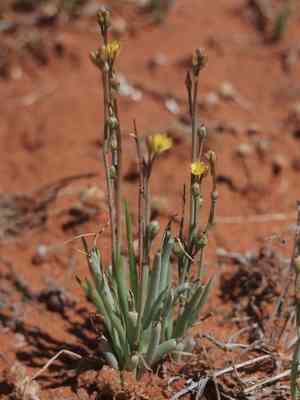
Leek lily, a resilient perennial, is recognized for its fleshy leaves and bright yellow blossoms. Trimming should occur in late winter or early spring, prior to the emergence of new shoots. Remove any deceased or shriveled foliage to foster more vigorous and sturdy development. This practice not only preserves a pleasing look but also stimulates blooming and deters ailments by enhancing air movement around the plant. Adhering to this pruning schedule guarantees the health and extended life of leek lily, establishing it as a durable feature in any landscape.
What Are the Benefits of Pruning Leek Lily?
What Are the Benefits of Pruning Leek Lily?
Trimming leek lily promotes robust development and maintains its form, ensuring a compact and appealing look. Regular cutting helps the plant direct energy towards developing stronger, healthier foliage.
What Is the Best Time for Pruning Leek Lily?
What Is the Best Time for Pruning Leek Lily?
Trimming leek lily in late winter and early spring is beneficial as it prepares the plant for strong growth in the upcoming season. This timing, just before the spring growth surge, allows leek lily to recover quickly and channels energy into producing new, healthy shoots. Furthermore, removing any dead or diseased parts at this time prevents disease spread, improving overall plant health and bloom quality.
What Tools Do I Need to Prune Leek Lily?
Hand Pruners
Perfect for making precise cuts on leek lily, especially for thinning and removing spent flowers to encourage more blooms and maintain plant vitality.
Gardening Scissors
These are ideal for more delicate trimming and shaping of leek lily, allowing for close control and minimal harm to the plant when removing dead or unwanted foliage.
How to Prune Leek Lily
Clean tools
Before beginning the pruning process, make sure all pruning tools (such as shears or scissors) are clean and disinfected. This prevents the spread of disease to leek lily.
Identify
Carefully inspect leek lily to find diseased or withered leaves. Look for leaves that are discolored, spotted, or appear dried out and lifeless.
Trim diseased
Using sharp and clean shears, carefully cut off the diseased leaves at the point where they connect with the healthy part of the plant. Ensure cuts are made close to the base of the leaf to promote healing but do not harm the main plant stem.
Trim withered
Similarly, remove any withered leaves that are completely dried out and show no signs of green. Removing these helps conserve leek lily's energy for healthier growth.
Dispose
After pruning, properly discard all removed leaves by placing them in a bin or composting them away from healthy plants. This will help prevent any potential spread of disease back to leek lily.
Common Pruning Mistakes with Leek Lily
Incorrect Technique
Using dull or unsuitable tools can result in jagged cuts, which may lead to infections and poor regrowth.
Over-Pruning
Removing too much foliage or cutting back too aggressively can stress the plant and limit its ability to photosynthesize, impacting its overall health and growth.
Pruning at the Wrong Time
Pruning when the plant is not actively growing can hinder its ability to recover, though specific season details are omitted here.
Ignoring Dead and Diseased Parts
Failing to remove dead, damaged, or diseased parts can encourage the spread of pathogens and pests.
Common Pruning Tips for Leek Lily
Use Sharp, Clean Tools
Ensure tools are sharp and sterilized to make clean cuts and prevent the spread of disease.
Remove Dead and Damaged Parts First
Start by pruning any dead, damaged, or diseased parts to improve air circulation and prevent disease spread.
Moderation
Prune conservatively, removing no more than one-third of the plant at a time to avoid stressing it.
Focus on Yellowing Leaves
Remove yellowing or senescent leaves to promote new growth and maintain the plant's aesthetic appeal.
Shape Gradually
If shaping is needed, do so gradually over several sessions rather than all at once, allowing the plant to adapt and regrow healthily.



