How to Propagate Leek lily?
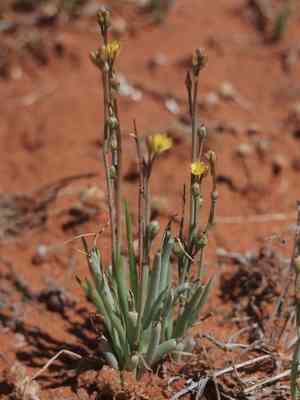
Leek lily, a species within the Asphodelaceae family, can be successfully multiplied using the technique of division. For effective propagation, it is essential to gently manage the root systems during separation, making sure each new segment possesses sufficient roots. Immediately re-establish these portions in soil that drains efficiently, supplying them with ample hydration for establishment. Ongoing attention after division will foster vigorous development.
Optimal Time for Leek Lily Propagation
Propagation Method
Separation
Propagation Period
Spring,Autumn
Tools for Leek Lily Propagation
Garden Trowel
A garden trowel is crucial for separating leek lily. Its purpose is to carefully excavate around the plant without harming the root system. The trowel enables precise soil removal, allowing for safe division of root clumps. Its slender, pointed blade is especially useful for navigating dense root structures, simplifying the isolation of healthy plant sections for replanting.
Pruning Shears
Pruning shears are utilized to trim roots and eliminate dead or excess foliage before and after dividing leek lily. Sharp, clean shears ensure accurate and healthy cuts, minimizing damage to plant tissues. This is vital for preventing disease and promoting faster recovery and growth post-propagation.
Watering Can with a Fine Rose
Post-propagation care is essential for the success of new leek lily plants. A watering can equipped with a fine rose attachment delivers a gentle spray of water that does not disturb the newly planted divisions. This tool helps maintain adequate soil moisture, aiding root establishment without causing erosion or dislodging the plant.
Gardening Gloves
Gardening gloves safeguard the propagator's hands from potential irritants or injuries during the leek lily division process. They also offer improved grip and dexterity when handling delicate divisions and operating tools such as the trowel and shears.
How to Propagate Leek Lily?
Propagation Type
Simple
Caring for Your Newly Propagated Leek Lily
Caring for Your Newly Propagated Leek Lily
After propagation, ensure consistent moisture levels for leek lily, avoiding saturation. Place in an area receiving full sun to partial shade. Apply mulch around the base to retain moisture and inhibit weed growth. Regularly check for pests and diseases. With proper attention, leek lily should establish and flourish in its new spot, encouraging robust growth and eventual blooming.
Common Errors to Avoid When Propagating Leek Lily
Overwatering
Excessive irrigation can lead to root rot, which is particularly detrimental for leek lily as it prefers drier conditions.
Insufficient Light
Inadequate sunlight can result in weak and elongated growth, making it difficult for leek lily to properly establish.
Poor Soil Selection
Using heavy, clay-rich soil can hinder drainage, leading to waterlogged roots and poor growth for leek lily.
Ignoring Soil pH
Failure to maintain a slightly acidic to neutral pH can impact nutrient availability and the overall health of leek lily.
Incorrect Cutting Depth
Planting cuttings too deeply can impede root development and increase the risk of rot in leek lily.
Tips For Propagating Leek Lily
Use Well-Draining Soil
Ensure the soil mixture drains effectively, such as a sandy or gritty composition, to prevent water retention and root rot in leek lily.
Provide Full Sunlight
Position leek lily in a location that receives ample sunlight for most of the day to encourage strong and healthy growth.
Monitor Watering
Water sparingly, allowing the soil to dry out between waterings to mimic leek lily's natural arid environment.
Maintain Optimal Soil pH
Keep the soil pH slightly acidic to neutral (around 6.0-7.0) to ensure nutrient availability and healthy growth for leek lily.
Shallow Planting
Plant cuttings at a minimal depth, just enough to cover the base, to promote root development and reduce the risk of rot in leek lily.



