How to Transplant Utah butterfly-bush?
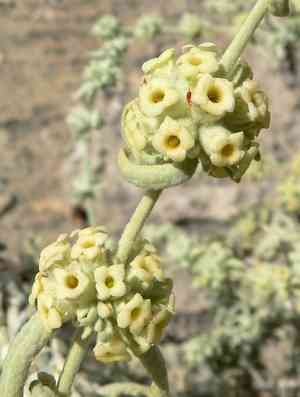
The ideal period for relocating utah butterfly-bush is in the core of its active growth phase, spanning from mid-spring to late spring, as this fosters strong root establishment. Select a location that receives ample sunlight and possesses soil with good drainage, ensuring the root system remains hydrated throughout the transplanting process.
What Preparations are Needed Before Transplanting Utah Butterfly-bush?
What is the Ideal Time for Transplanting Utah Butterfly-bush?
The most favorable period for moving utah butterfly-bush is during early to mid-spring when nature revives. This season, characterized by mild weather and soil recovery, offers an excellent window for transplanting utah butterfly-bush. By relocating utah butterfly-bush at this time, you align with the spring growth surge, giving the plant sufficient time to establish its root system before the summer heat arrives. Furthermore, spring rains assist in the settling process, reducing transplant stress and fostering robust growth. Choose this season to ensure utah butterfly-bush has the best possible start in its new spot.
How Much Space Should You Leave Between Utah Butterfly-bush Plants?
When rehousing utah butterfly-bush in your garden, remember to provide ample room. Aim for a generous spacing of 36-60 inches (91-152 cm) between plants. This allows your utah butterfly-bush sufficient area to expand and thrive without competing for essential resources.
What is the Best Soil Mix for Utah Butterfly-bush Transplanting?
For a successful transplant, prepare a comfortable foundation for your utah butterfly-bush using well-draining soil. Incorporate some compost or a balanced, slow-release fertilizer to provide a nourishing start. A soil pH that is neutral to slightly alkaline is ideal for this perennial!
Where Should You Relocate Your Utah Butterfly-bush?
Find a sunny location for your utah butterfly-bush to flourish. They thrive in full sunlight, so select a spot where they will receive at least 6 hours of direct, bright sun daily. This solar exposure promotes vigorous growth and abundant blooms.
What Equipments Should You Prepare Before Transplantation Utah Butterfly-bush?
Gardening Gloves
To safeguard your hands while handling soil and plants.
Spade or Shovel
For excavating the utah butterfly-bush from its current spot and preparing the new planting hole.
Garden Trowel
Useful for smaller digging tasks or refining the planting area.
Watering Can or Hose
To hydrate the utah butterfly-bush before and after its relocation.
Wheelbarrow or Garden Cart
To transport the utah butterfly-bush and soil efficiently.
Pruning Shears
For trimming any damaged roots or branches prior to transplanting.
Root Pruning Saw or Knife
If needed, for cutting through larger root structures.
Measuring Tape
To ensure correct spacing between plants during the transplanting process.
Mulch
To help retain soil moisture and suppress weeds around the utah butterfly-bush after transplant.
How Do You Remove Utah Butterfly-bush from the Soil?
How Do You Remove Utah Butterfly-bush from the Soil?
From Ground: Water the utah butterfly-bush to moisten the soil the day before transplanting, facilitating easier removal. Use a spade or shovel to dig a wide trench around the utah butterfly-bush, ensuring a substantial portion of the root ball is preserved. Angle the spade to gently lift the plant without causing excessive root damage.From Pot: Begin by watering the utah butterfly-bush to ensure the root ball is damp. Carefully tilt the pot sideways and gently slide the utah butterfly-bush out. Support the plant by holding the base of the stem, not the stems or leaves. If roots are circling the pot, gently untangle them to encourage outward growth.From Seedling Tray: Water the seedlings to dampen the soil. Use a garden trowel or a dibber to lift the utah butterfly-bush from the seeding tray. Be careful to support the seedling by the root ball rather than by the delicate stem or foliage.
Step-by-Step Guide for Transplanting Utah Butterfly-bush
Preparation
Water the utah butterfly-bush the evening before transplanting to ensure it is adequately hydrated. Have all necessary tools and equipment ready for the task.
Removing utah butterfly-bush
Based on the utah butterfly-bush's original location, follow the specific removal procedure carefully, aiming to minimize stress to the plant.
Transporting
Once removed, place the utah butterfly-bush in a wheelbarrow or garden cart, ensuring the root ball is secure and supported during its move to the new site.
Hole Preparation
Dig a hole in the ground large enough to accommodate the utah butterfly-bush's root ball. The depth should match the root ball's height, and the width should be up to three times its diameter.
Placement
Position the utah butterfly-bush in the center of the hole, making sure it is upright and at the same depth it was previously growing. The top of the root ball should be level with the surrounding soil surface.
Backfilling
Refill the hole with soil, gently but firmly compacting it around the root ball to eliminate air pockets. Avoid burying the plant deeper than its original planting depth.
Watering
Water the utah butterfly-bush thoroughly to settle the soil around the root ball and remove any remaining air pockets. Provide a gentle yet deep watering to encourage root establishment.
How Do You Care For Utah Butterfly-bush After Transplanting?
First Watering
After transplanting, give the utah butterfly-bush a thorough watering to help reduce transplant shock and settle the soil.
Mulching
Apply a 2-3 inch layer of mulch around the base of the utah butterfly-bush, keeping it away from the stem to prevent rot and maintain soil moisture.
Pruning
Trim any damaged or broken branches with pruning shears to encourage new growth and minimize disease risk.
Monitoring
Regularly inspect the utah butterfly-bush for signs of stress, such as wilting, yellowing, or leaf drop, and take appropriate action if necessary.
Supporting
If the utah butterfly-bush is tall or top-heavy, carefully stake it for support until it can stand independently. Use soft plant ties and check them regularly for tightness.
Follow-Up Watering
Maintain an appropriate watering schedule based on weather conditions, ensuring the soil remains consistently moist as the utah butterfly-bush establishes itself.
Troubleshooting Common Issues with Utah Butterfly-bush Transplantation.
When is the best time to transplant utah butterfly-bush?
Choose late spring to early summer for a smooth transition during mild weather conditions.
How much space does utah butterfly-bush need when transplanting?
Space them 36-60 inches (91-152 cm) apart to provide ample room for growth.
Why are my transplanted utah butterfly-bush wilting?
Wilting may indicate insufficient water. Ensure the soil is moist and provide shade until the plant is established.
How deep should the hole be for transplanting utah butterfly-bush?
Dig a hole twice the width and the same depth as the root ball.
Can I transplant utah butterfly-bush during the summer?
It's advisable to wait for cooler weather to minimize transplant shock and water stress.
What type of soil is best for utah butterfly-bush?
Utilize well-draining soil, enriched with compost to promote healthy root development.
How do I water utah butterfly-bush after transplanting?
Water deeply immediately after planting, then regularly while roots establish, gradually reducing frequency as the plant matures.
Should I use fertilizer when transplanting utah butterfly-bush?
Delay fertilization until new growth appears to avoid damaging delicate roots.
How can I tell if utah butterfly-bush is rooted well after transplanting?
Stable, new growth and no movement when gently tugged are indicators of good rooting.
Do I need to prune utah butterfly-bush when transplanting?
Pruning is not mandatory but can help alleviate transplant shock by balancing root loss with top growth.



