How to Propagate Utah butterfly-bush?
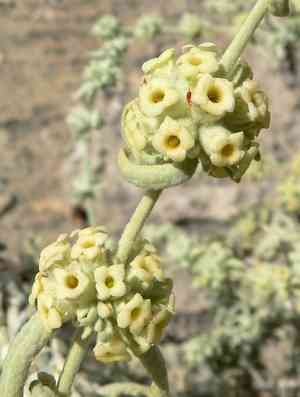
Belonging to the Buddlejaceae botanical group, utah butterfly-bush is a resilient woody plant prized for its appealing leaves and its tendency to draw butterflies. To multiply utah butterfly-bush, obtain semi-hardwood sections from robust, established specimens. Sever a segment of stem that encompasses multiple leaf nodes, as these locations are most conducive to root formation. To enhance the likelihood of successful root development, apply a rooting stimulant and embed the cuttings in a growing medium that drains effectively. Ensure steady hydration and warmth to foster development. For optimal outcomes, supply filtered sunlight and shield from harsh environmental conditions until the cuttings are firmly rooted.
When Is the Optimal Time to Propagate Utah Butterfly-bush?
Propagation Type
Cutting
Propagation Season
Spring,Summer
What Equipment Is Used in Utah Butterfly-bush Propagation?
Sharp Pruning Shears
These are crucial for making clean, precise cuts from the parent utah butterfly-bush, essential for minimizing damage and encouraging robust root development. Sharp shears ensure a clean cut that prevents tearing of plant tissues, which can lead to infections and poor rooting.
Rooting Hormone Powder
This encourages root formation from utah butterfly-bush cuttings, significantly boosting the likelihood of successful propagation. Applying a rooting hormone to the cut end of the cutting helps accelerate root initiation, enhancing overall growth speed and success rate.
Sterilized Potting Mix
A well-draining, pathogen-free potting mix offers the perfect environment for utah butterfly-bush cuttings to take root. The absence of pathogens in the sterilized mix ensures that young plants are less likely to succumb to soil-borne diseases during the vulnerable stages of root development.
Propagation Trays
These trays are utilized to hold utah butterfly-bush cuttings in a stable and organized manner, allowing for optimal spacing and air circulation around each cutting. This setup helps prevent mold and disease outbreaks that can occur if cuttings are too densely packed.
Plastic Covers or Domes
These covers maintain a humid atmosphere around utah butterfly-bush cuttings, which is vital for preventing them from drying out before they establish roots. The domes also aid in maintaining a consistent temperature, which further assists in the rooting process.
How to Propagate Utah Butterfly-bush?
Propagation Type
Moderately Difficult
How to Care for Your Newly Propagated Utah Butterfly-bush?
How to Care for Your Newly Propagated Utah Butterfly-bush?
Once utah butterfly-bush cuttings have successfully rooted, typically 4-8 weeks post-planting, gradually introduce them to standard growing conditions. Start by removing the plastic covering for a few hours daily and progressively increase exposure time. Ensure the young plants are in well-draining soil, receive consistent watering, and are situated in a sunny spot. Protect from extreme temperatures during initial growth phases. Regular trimming will help maintain desired shape and promote a bushier habit.
Common Errors to Avoid When Propagating Utah Butterfly-bush
Overwatering
Supplying too much water to utah butterfly-bush cuttings or rooted plants can lead to root rot, a harmful condition hindering successful establishment and growth.
Deep Planting
Placing utah butterfly-bush cuttings too deeply in the soil can restrict oxygen access and may impede root initiation or cause decay.
Neglect of disease prevention
Ignoring the sanitization of tools and pots can introduce pathogens to utah butterfly-bush, impacting the rooting process and overall health.
Tips For Propagating Utah Butterfly-bush
Moderate watering
Maintain a balanced watering schedule for utah butterfly-bush, ensuring the soil is moist but not waterlogged to support healthy root development.
Use of rooting hormone
Applying a rooting hormone to utah butterfly-bush cuttings helps stimulate root growth, increasing the chances of propagation success.
Sterilization
Sanitize cutting tools and containers before use to reduce the risk of introducing diseases to utah butterfly-bush, promoting a healthier growth environment.



