How to Transplant Oriental mangrove?
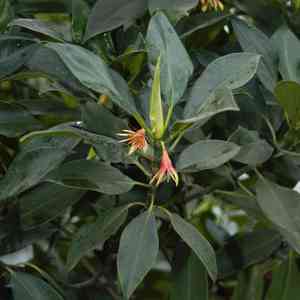
The optimal window for transplanting oriental mangrove extends from the early chill of winter into the onset of spring, fostering vigorous development. Select locations featuring damp, well-aerated earth; a delicate touch at the root system aids in successful integration.
What Preparations are Needed Before Transplanting Oriental Mangrove?
What is the Ideal Time for Transplanting Oriental Mangrove?
The optimal period for relocating oriental mangrove spans from the start of the cool season through the core of the sprouting phase. This timeframe allows oriental mangrove to develop its root system in mild conditions, fostering robustness before intense heat. Moving during this interval reduces plant stress, boosting survival rates for healthy development.
How Much Space Should You Leave Between Oriental Mangrove Plants?
When planting your oriental mangrove, ensure ample room for growth. Aim for a spacing of 5-8 meters (16-26 feet), enabling their root systems to expand and strengthen without competing with adjacent plants.
What is the Best Soil Mix for Oriental Mangrove Transplanting?
Prepare a comfortable bed for your oriental mangrove by selecting rich, well-draining soil. Incorporate some organic compost as a foundational fertilizer to nourish them. This will help your oriental mangrove settle in and flourish in their new home!
Where Should You Relocate Your Oriental Mangrove?
Your oriental mangrove thrives in sunlight! Choose a location where they will receive full to partial sun exposure. This bright spot will warm their leaves and promote vigorous growth.
What Equipments Should You Prepare Before Transplantation Oriental Mangrove?
Gardening Gloves
To safeguard your hands while handling soil and plants.
Spade or Shovel
To excavate the oriental mangrove's root ball for relocation.
Pruning Shears
For trimming any damaged roots or excess foliage before transplanting.
Wheelbarrow or Garden Cart
To move the oriental mangrove and soil to and from the new planting site.
Watering Can or Hose
To hydrate the oriental mangrove before and after the transplanting procedure.
Mulch
To assist in maintaining moisture levels and temperature around the oriental mangrove's new spot.
Measuring Tape
To gauge the depth and width when digging the new hole for the oriental mangrove.
Tarp or Burlap
To temporarily hold the oriental mangrove's root ball and prevent it from drying out.
How Do You Remove Oriental Mangrove from the Soil?
How Do You Remove Oriental Mangrove from the Soil?
From Ground: First, thoroughly water the oriental mangrove plant to moisten the soil and minimize root damage. Then, use a shovel or spade to dig a wide trench around the plant, being careful to keep a substantial amount of soil around the root ball. Once the trench is complete, gently slide the spade under the root ball and carefully lift the oriental mangrove from its original location.From Pot: Water the oriental mangrove to ensure the soil is damp, which will facilitate the removal process. Slowly tilt the pot to the side and gently tap the bottom and sides to loosen the oriental mangrove. Slide the root ball out while supporting the plant, taking care not to harm the roots.From Seedling Tray: Moisten the soil of the oriental mangrove's cell to ease removal. Use a small stick or a dibber to gently push the root ball from the bottom. Carefully hold the seedling by the leaves, not the stem, to avoid damage, and ease the oriental mangrove out of the tray.
Step-by-Step Guide for Transplanting Oriental Mangrove
Prepare the New Site
Dig a hole in the chosen location that is twice the width of the root ball and of equal depth. This will provide the oriental mangrove's roots ample space to spread.
Root Pruning
Inspect the oriental mangrove's root ball and trim away any damaged or overly long roots with pruning shears to encourage fresh growth.
Positioning
Place the oriental mangrove into the hole, ensuring it sits at the same depth it was previously growing. Adjust the soil beneath the root ball if necessary.
Backfilling
Gently backfill the hole with soil around the oriental mangrove, tamping lightly to eliminate air pockets. Ensure the plant is stable and upright.
Watering
Immediately after planting, water the oriental mangrove generously to settle the soil and provide essential hydration for the roots.
Mulching
Apply a layer of mulch around the base of the oriental mangrove to minimize moisture loss and regulate soil temperature.
How Do You Care For Oriental Mangrove After Transplanting?
Staking
If the oriental mangrove is tall or in an exposed area, stake the plant to offer support against wind until its roots establish.
Regular Watering
Maintain an appropriate watering schedule to keep the soil around the oriental mangrove consistently moist, especially during dry spells.
Monitoring
Observe the oriental mangrove for indications of transplant shock, such as wilting or yellowing leaves, and address promptly if observed.
Careful Pruning
Prune only the essential parts of the oriental mangrove during the initial growing season to help it establish without overtaxing its energy reserves.
Troubleshooting Common Issues with Oriental Mangrove Transplantation.
When's the ideal time to transplant oriental mangrove?
The perfect window for transplanting oriental mangrove is during the cooler months, from early winter to the budding growth of mid-spring.
How far apart should oriental mangrove be planted?
Ensure oriental mangrove has room to grow by spacing them 16.4-26.2 feet (5-8 meters) apart.
Why is my oriental mangrove wilting after transplant?
Wilting can be due to transplant shock. Minimize root disturbance and water adequately after transplanting.
How deep should the hole be for transplanting oriental mangrove?
The hole should be twice as wide and just as deep as the root ball to encourage growth.
What kind of soil does oriental mangrove prefer for transplanting?
Oriental mangrove thrives in well-draining, fertile soil with good moisture retention but doesn't like to be waterlogged.
How much water does oriental mangrove need after transplantation?
Initially, water oriental mangrove thoroughly to settle the soil around the roots, then keep consistently moist, not saturated.
Can I transplant oriental mangrove on a sunny, hot day?
It's best to transplant oriental mangrove on a cloudy day to reduce stress and prevent immediate water evaporation.
How do I prepare oriental mangrove for transplanting?
Water oriental mangrove well a day before, trim any damaged roots, and prepare a suitable hole with proper spacing.
Should I add fertilizer when transplanting oriental mangrove?
Wait until oriental mangrove is established before fertilizing, then use a balanced, slow-release fertilizer sparingly.
Can I prune oriental mangrove when transplanting?
Light pruning of damaged or excessive growth can help oriental mangrove focus on establishing new roots.



