How to Prune Oriental mangrove?
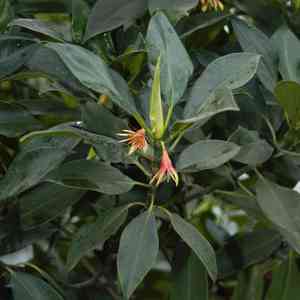
A unique variety characterized by its prop roots and viviparous seeds, oriental mangrove thrives with regular trimming to preserve its shape and foster vigor. The ideal time for this maintenance is in winter, when the plant is inactive, to lessen any strain. Trim to eliminate any compromised or ailing branches and to manage its dimensions. Furthermore, reducing the density of branches improves air circulation, thereby lowering the chances of illness. Thoughtful pruning preserves its inherent appearance and aids the environment by supporting local animal dwelling places.
Advantages of Trimming Oriental Mangrove
Advantages of Trimming Oriental Mangrove
Trimming oriental mangrove encourages robust development and maintains its form, ensuring peak health and visual appeal for this distinctive mangrove variety.
Optimal Period for Trimming Oriental Mangrove
Optimal Period for Trimming Oriental Mangrove
Trimming during winter is ideal for oriental mangrove as the plant is typically dormant in areas with seasonal changes. This inactive phase lessens stress on oriental mangrove, as the plant's growth processes slow, and energy is conserved for essential functions only. Pruning at this time reduces infection risk since pests and disease agents are less active. Furthermore, with reduced or absent foliage, oriental mangrove's structure is easily assessed, allowing for more strategic cuts that foster healthy growth patterns as the plant enters its active growth phase in spring. It's important to note that in tropical regions where oriental mangrove is native and seasons may not vary significantly, observing local growth and dormancy patterns is crucial to determine the most suitable time for maintenance.
Necessary Tools for Trimming Oriental Mangrove
Bypass Pruners
Perfect for making precise cuts on live wood and slender branches of oriental mangrove, bypass pruners minimize harm to the plant's tissues, promoting healthier regrowth.
Loppers
For branches too thick for pruners, loppers offer the extra leverage needed to cut through the denser parts of oriental mangrove without overstraining the gardener.
Pruning Saw
If oriental mangrove has larger branches, a pruning saw is essential. It allows for accurate cutting of thicker branches that loppers cannot handle.
Pole Pruner
For branches out of reach, a pole pruner enables the gardener to maintain oriental mangrove without ladders, ensuring safety and extending reach.
Shears
For shaping and trimming oriental mangrove's foliage, especially when dealing with numerous smaller twigs, shears provide a quick and effective way to preserve the plant's aesthetics.
Gloves and Safety Gear
Protective gloves and safety equipment are vital when trimming oriental mangrove to prevent injuries from thorns and sharp tools, as well as any potential irritants in the plant sap.
How to Trim Oriental Mangrove
Clean tools
Before trimming oriental mangrove, sanitize all pruning tools with isopropyl alcohol or a bleach solution to prevent disease transmission.
Inspect
Carefully examine the oriental mangrove for dead or diseased branches. Look for branches with discoloration, cracks, or signs of decay.
Remove dead branches
Using sharp, clean pruning shears, cut dead branches where they meet healthy wood. Make angled cuts to encourage water runoff and avoid damaging oriental mangrove's bark.
Trim diseased branches
Identify and carefully remove diseased branches on oriental mangrove, cutting well into the healthy tissue to ensure all affected wood is eliminated.
Disposal
Properly dispose of all removed dead and diseased branches to prevent any disease from spreading in the garden.
Common Trimming Errors with Oriental Mangrove
Excessive pruning
Removing too much foliage at once can stress oriental mangrove, leading to stunted growth or increased vulnerability to pests and diseases.
Incorrect cut placement
Cuts made too close to or too far from the node can hinder oriental mangrove's healing process, potentially inviting infection or dieback.
Using dull tools
Dull pruning tools can harm oriental mangrove's branches, resulting in jagged cuts that heal poorly and may leave the plant susceptible to diseases.
Neglecting to clean tools
Failing to clean tools between uses can spread disease from other plants to oriental mangrove.
Trimming healthy growth
Unnecessarily cutting away healthy branches may weaken oriental mangrove, reducing its vigor and ornamental value.
Ignoring damaged limbs
Delaying the removal of dead or diseased growth can allow problems to spread to the rest of oriental mangrove.
General Trimming Advice for Oriental Mangrove
Clean cut technique
Make precise cuts with sharp, sterilized tools to minimize damage and enhance oriental mangrove's healing capacity.
Cutting angle
Cut at a slight angle away from the node, allowing water to drain and reducing the risk of disease.
Selective pruning
Remove only the necessary parts, such as damaged or crossed branches, to maintain oriental mangrove's natural structure and encourage healthy growth.
Safety first
Wear safety gear, as oriental mangrove can grow in challenging terrains, and take care not to harm the surrounding environment while pruning.
Post-pruning care
After trimming oriental mangrove, ensure proper care by watering and mulching to aid the plant in its recovery.
Habitat consideration
Consider oriental mangrove's natural habitat when pruning, ensuring you maintain an environment conducive to its natural growth habit and ecological role.



