How to Transplant Red brome?
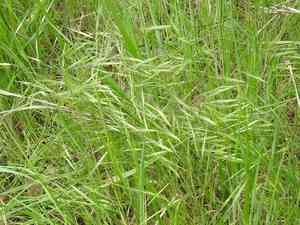
Red brome flourishes when relocated from the beginning to the middle of spring, benefiting from the warming ground and extended daylight hours. Provide a bright spot with soil that drains effectively. Handle with care during transplantation to prevent root disruption, promoting smooth integration.
What Preparations are Needed Before Transplanting Red Brome?
What is the Ideal Time for Transplanting Red Brome?
Red brome, an annual/perennial, is best moved from early to mid-spring due to ideal soil temperature and moisture. This timing enhances root establishment and growth, leading to a more robust plant. Proper timing ensures maximum development and resilience throughout its growing season.
How Much Space Should You Leave Between Red Brome Plants?
Ensure red brome plants are spaced approximately 12 inches (30 cm) apart. This provides ample room for development and helps prevent overcrowding, allowing each plant to flourish.
What is the Best Soil Mix for Red Brome Transplanting?
Select well-draining soil abundant in organic matter. Preparing the soil with a balanced base fertilizer, such as a 10-10-10 (N-P-K) blend, can supply essential nutrients for red brome's healthy development.
Where Should You Relocate Your Red Brome?
Red brome thrives in sunlight, so choose a garden location that receives 6-8 hours of direct sun daily. This ensures your plants will be content and prosper.
What Equipments Should You Prepare Before Transplantation Red Brome?
Gardening Gloves
To safeguard your hands while handling soil and plants.
Shovel or Spade
For digging and lifting the plant from its original spot.
Watering Can or Hose
For hydrating the plant before and after relocation.
Trowel
Useful for excavating smaller holes and working near roots.
Pruning Shears
To trim any damaged roots or stems prior to transplanting.
Bucket or Container
To hold the plant during its transfer if needed.
How Do You Remove Red Brome from the Soil?
How Do You Remove Red Brome from the Soil?
From Ground: First, hydrate the red brome plant to moisten the soil. Then, excavate a wide trench around the plant using a shovel or spade, ensuring the plant's root ball remains intact. Carefully work the spade beneath the root ball to lift the plant from its initial position.From Pot: Gently tap the pot's sides to loosen the soil. Tilt the pot sideways and carefully slide the red brome plant out, holding it by the base to avoid stem damage.From Seedling Tray: Ensure the soil is slightly damp for easier removal. Gently push up from the tray's bottom to release the seedling, being careful to handle it by the leaves or root ball, not the stem.
Step-by-Step Guide for Transplanting Red Brome
Site Preparation
Prepare the new planting location by digging a hole twice as wide and as deep as the red brome plant's root ball.
Hole Preparation
Loosen the soil at the hole's base and incorporate any necessary soil amendments to enhance drainage and nutrient content.
Plant Positioning
Place the red brome plant in the hole, ensuring the root ball's top is level with or slightly above the surrounding soil.
Backfilling
Fill the hole with soil, gently firming it around the root ball to eliminate air pockets. Be careful not to over-compact the soil.
Watering
Thoroughly water the red brome plant after transplanting to help settle the soil and initiate the establishment process.
How Do You Care For Red Brome After Transplanting?
Watering
Keep the soil around the red brome consistently moist, but not waterlogged, for the initial weeks post-transplant to aid strong root development.
Mulching
Apply a layer of mulch around the red brome plant's base to help retain soil moisture and suppress weeds.
Monitoring
Regularly inspect the red brome plant for signs of stress, such as wilting or yellowing leaves, and take corrective action if needed.
Support
If the red brome plant is tall or top-heavy, consider staking it for additional support until it develops a stronger root system.
Troubleshooting Common Issues with Red Brome Transplantation.
When is the best time to transplant red brome?
The optimal period to transplant red brome is from early to mid-spring for peak growth.
How much spacing is required for transplanting red brome?
Maintain 12 inches (30 cm) between each plant to provide adequate room for growth.
What should the soil condition be for transplanting red brome?
Utilize well-draining soil rich in organic matter to encourage healthy root development.
How deeply should I plant red brome seedlings?
Plant seedlings at their original growing depth to prevent root stress.
What if the transplanted red brome shows signs of wilting?
Ensure the soil is sufficiently moist but not saturated; provide temporary shade if necessary.
How can I prevent transplant shock in red brome?
Water the plant thoroughly after transplanting and keep it shaded for a few days.
Should I fertilize red brome after transplanting?
Apply a balanced, slow-release fertilizer a few weeks post-transplant to support growth.
What is the recommended watering schedule for newly transplanted red brome?
Water the plants deeply once or twice weekly, depending on weather conditions.
Can red brome be transplanted in the fall?
Transplanting red brome in autumn can be risky; spring is the best time for successful rooting.
How can I ensure good root development after transplanting red brome?
Provide consistent moisture and avoid disturbing the soil around the roots to promote strong growth.



