How to Prune Red brome?
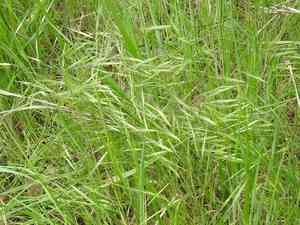
Red brome, a grass distinguished by its upright, stiff stalks and vivid reddish hue when desiccated, thrives with periodic trimming. Optimal pruning entails severing the plants once their seed heads have dried, generally from late spring to autumn, to preserve their well-being and manage their proliferation. This practice not only deters undesirable self-seeding but also fosters more vigorous development in the subsequent growing period. Essential factors include employing sharp implements for precise cuts, thereby improving both visual appeal and plant vitality.
Advantages of Trimming Red Brome
Advantages of Trimming Red Brome
Trimming red brome helps manage its invasive spread, keeping its size controlled and encouraging robust regrowth. Regular cutting also maintains its desired form, improving its visual appeal in the landscape.
Optimal Period for Pruning Red Brome
Optimal Period for Pruning Red Brome
Pruning red brome during Spring, Summer, and Fall is advantageous as these periods align with the plant's active growth phases, boosting its health and vigor. Spring trimming encourages new growth after winter dormancy. In Summer, cutting red brome helps maintain its shape and manages any unruly or overgrown stems, ensuring proper air circulation and sunlight penetration, vital for the plantâs overall well-being. Fall pruning is crucial for removing any dead or diseased foliage before winter, reducing the likelihood of pest infestations and fungal issues.
Required Tools for Pruning Red Brome
Hand Shears
Hand shears are perfect for trimming and shaping red brome's foliage. Their sharp blades allow for precise cuts, offering effective control over the plant's size and form. Regular pruning with hand shears helps maintain red brome's health and appearance.
Grass Clippers
For areas where red brome grows thickly or is mixed with other plants, grass clippers are useful. They enable close-to-the-ground cuts and are especially effective for managing red brome's spread without disturbing nearby vegetation.
String Trimmers
For larger or more rugged areas where red brome is established, a string trimmer can quickly and efficiently cut back this grass. String trimmers are useful for tackling dense clumps and can be adjusted for height to ensure even cutting across the area.
How to Prune Red Brome
Identify
Locate and identify the withered or dead leaves on red brome. These are typically dry, discolored, and may be crumpled or clearly lifeless.
Prepare
Gather the appropriate tools for pruning red brome. Use clean, sharp scissors or pruning shears to ensure a precise and clean cut.
Cut
Carefully remove the withered leaves at their base where they meet healthy tissue. Make the cut as close to the main stem as possible without causing damage.
Dispose
Properly discard the removed leaves. Do not leave them near red brome as they can harbor diseases or pests that could harm the plant.
Maintenance
Regularly check red brome for any new signs of wilting or other health problems, repeating the pruning process as needed to maintain the plant's health and aesthetic appeal.
Common Pruning Errors with Red Brome
Overpruning
Beginner gardeners often remove too much foliage from red brome, mistakenly thinking this will encourage new growth. However, excessive removal can stress the plant, leading to weakened defenses and poor development.
Improper tool usage
Both novice and experienced gardeners can err by using dull or dirty pruning tools on red brome. This can damage plant tissues, leading to uneven cuts that may attract pests and diseases.
Incorrect technique
Improper pruning methods, such as tearing or ripping stems instead of making clean cuts, can harm red brome. Such practices can cause unnecessary injury to the plant, affecting its overall health and appearance.
General Pruning Advice for Red Brome
Sharp tools
Utilize sharp, clean pruning shears or scissors to make precise cuts on red brome. This helps prevent damage and disease, ensuring the plant remains healthy and can grow effectively.
Judicious pruning
When pruning red brome, remove only the necessary parts such as dead or diseased stems and excessive growth that may be depleting resources from healthier sections. Avoid cutting back more than a third of the plant at any one time to maintain its vitality.
Follow natural shape
When pruning red brome, adhere to its natural growth pattern. This approach not only enhances the plant's appearance but also supports its natural development, preventing stress that can result from forcing it into an unnatural shape.



