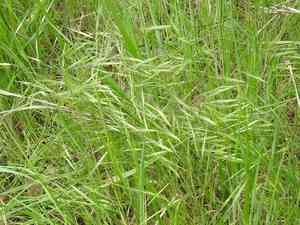
Red brome (Bromus rigidus)
Also known as: Ripgut brome, Foxtail chess, Ripgut bromegrass, Bronchograss
Bromus rigidus is an annual grass that typically reaches a height of 30 to 100 cm. The plant features pubescent or rough stems, leaves, and panicle branches. Its upright or ascending panicle has short branches ending in spikelets containing four to nine flowers. These reddish spikelets range from 6 to 10 cm in length, including awns that measure 3 to 4 cm long.
In This Article
Attributes of Red brome
Lifespan
Annual, Perennial
Plant Type
Grass
Plant Height
30-100 cm (12-39 inches)
Spread
10-30 cm (4-12 inches) spread of leaves at maturity
Leaf Color
Green to gray-green
Flower Size
N/A - it produces spikelets and is not known for prominent flowers
Flower Color
Spikelets can have a reddish or purplish tint
Images of Red brome
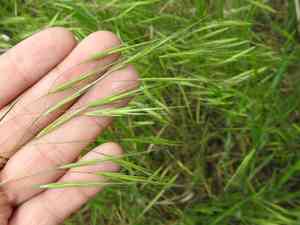
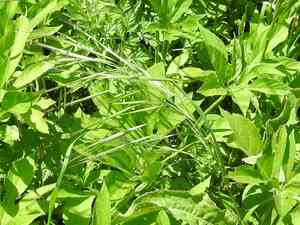
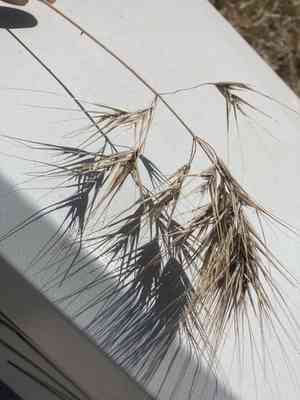
Quickly Identify Red brome
1
Bromus rigidus can be identified by its stiff, erect stems and narrow, notched leaf blades. Its spikelets are tight and narrow, often with a reddish or purplish tint.
Scientific Classification of Red brome
Phylum
Vascular plants
Class
Monocotyledons
Order
Poales
Family
Grass
Genus
Bromes
Species
Red brome
Planting and Growing of Red brome
Care Difficulty
Easy
Watering Schedule
Every 2 days
Sunlight Requirements
Full sun
Sunshine Duration
6-10 hours
Ideal Temperature
60-75℉
Soil Type
Potting Mix, Peat Mix
Soil pH
6.5-7.5
Fertilizer Type
Balanced
Pruning Season
Spring, Summer
Pruning Area
Branches, Leaves
Pruning Frequency
2 times a year
Repotting Season
Spring
Pot Type
Plastic, Terracotta
 How to Water Red brome?
Bromus rigidus, or ripgut brome, requires watering such that the soil is moist but not waterlogged. Around 200 ml of water is recommended per session, ensuring the soil is consistently in the 'just-barely-moist' zone, which allows roots to breathe while maintaining the necessary hydration levels.
What are the symptoms of an underwatered Red brome?
›
What should I do if my Red brome is not getting enough water?
›
What are the symptoms of an overwatered Red brome?
›
How to save an overwatered Red brome?
›
 What Are the Sunlight Requirements for Red brome?
Bromus rigidus performs best in full to partial sun, encouraging vigorous growth and maintaining its natural resilience against environmental stresses.
What is the ideal lighting solution for Bromus rigidus?
›
How can I ensure optimal light exposure for this plant?
›
What benefits does Bromus rigidus gain from optimal lighting?
›
 What Is the Ideal Temperature Range for Red brome?
The ideal temperature range for Bromus rigidus is between 60°F and 75°F. Within this range, the plant can optimally perform its physiological processes, achieving balanced growth and development. Temperatures in this range facilitate photosynthesis and nutrient uptake, thereby contributing to healthy foliage and seed production.
 What Soil is Best for Red brome?
Bromus rigidus thrives best in nutrient-rich soils that provide essential minerals and elements necessary for its growth and development. Such soils enhance the plant’s vitality and overall health. To prevent root rot and other water-related issues, Bromus rigidus prefers well-drained soils. This soil requirement ensures the plant's roots receive adequate oxygen, promoting robust growth. While Bromus rigidus needs moisture for optimum growth, the soil should retain just enough without becoming waterlogged. This prevents the roots from drowning and allows the plant to access water as needed.
 How to Fertilize Red brome?
For Bromus rigidus, you should apply a balanced liquid fertilizer at a rate of about 10-15 ml per plant monthly. Be careful not to over-fertilize, especially during the dormancy period, to avoid any stress on the plant.
 How to Prune Red brome?
Begin pruning early in the plant's lifecycle to shape it and ensure balanced growth. Early intervention helps in guiding the plant's structure and promotes a robust and healthy appearance throughout its development. Check the plant monthly for any signs of overcrowding or unhealthy growth. Regular pruning will help promote air circulation within the plant, reducing the chance of fungal disease and ensuring sunlight reaches all parts of the plant evenly.
More About Pruning Techniques→
 How to Propagate Red brome plant?
1
Begin by filling your seed tray with the potting mix. Place the seeds on the surface and cover them lightly with additional soil. Gently mist the soil surface to ensure it's evenly moist.
2
Place the seed tray in a location that receives indirect sunlight. Direct sun might dry out the soil too quickly, while too little light can slow germination. Monitor and adjust the location as necessary.
3
Consistently check the soil's moisture level. It should remain moist but not waterlogged. Depending on your environment, you might need to mist the surface several times daily to maintain optimal moisture levels.
 How to Repot Red brome plant?
1
Repot Bromus rigidus when you notice roots emerging from the drainage holes or the soil becomes compacted. These signs indicate that the plant has outgrown its current pot and needs more space to thrive. The ideal time is during Spring or Autumn when the plant's growth is active.
2
Select a pot that is one size larger than the current one. Ensure it has adequate drainage holes to prevent waterlogging, which can lead to root rot. A spacious pot allows the plant to spread its roots better, aiding growth and ensuring proper hydration and nutrient absorption.
3
Opt for well-draining sandy soil to repot Bromus rigidus. This type of soil prevents water retention that may lead to root rot and mimics the plant's natural habitat conditions, promoting healthier root development and sustained plant vigor.



