How to Transplant Hairy brome?
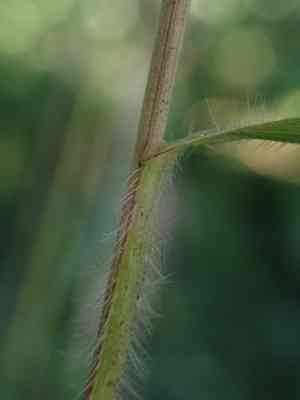
Relocate hairy brome once renewal graces the landscape; consider the period from winter's end to spring's arrival. Choose a brightly lit location offering ample drainage. Should it be necessary, amend the earth to support hairy brome's fresh start. Maintain a positive outlook; plants sense your energy!
What Preparations are Needed Before Transplanting Hairy Brome?
What is the Ideal Time for Transplanting Hairy Brome?
The prime period for moving hairy brome is during the initial phase of its growth cycle, typically from early spring through mid-spring. Relocating hairy brome at this time supports strong root development and adaptation before summer's full intensity. This timing offers the benefit of cooler temperatures and consistent moisture, vital for root establishment without the strain of summer heat. It's a proactive measure, ensuring hairy brome flourishes in its new spot with the full vitality of spring's onset.
How Much Space Should You Leave Between Hairy Brome Plants?
Let's ensure hairy brome has ample room to expand! Aim to position each transplant approximately 12-18 inches apart (30-45 cm). This provides hairy brome with sufficient space to thrive without crowding its neighbors.
What is the Best Soil Mix for Hairy Brome Transplanting?
Before introducing hairy brome to your garden, prepare the bed with soil that drains well. Incorporating compost or a balanced, slow-release fertilizer can promote vigorous growth. Rich, loamy soil will greatly benefit hairy brome!
Where Should You Relocate Your Hairy Brome?
When selecting a site for hairy brome, envision a location where sunlight and gentle air currents converge. This perennial prefers spots that receive full sun to partial shade. Therefore, choose a sunny corner that gets at least 6 hours of sunlight daily.
What Equipments Should You Prepare Before Transplantation Hairy Brome?
Gardening Gloves
To safeguard your hands while handling soil and plants.
Shovel or Spade
To excavate the plant and create a new planting cavity in the ground.
Garden Fork
To loosen the earth surrounding the plant's root system.
Watering Can or Hose
To hydrate the plant before and after the relocation process.
Wheelbarrow or Plant Cart
To move the hairy brome if it is large or heavy.
Utility Knife or Pruning Shears
To trim any damaged roots or foliage.
Tape Measure
To assist in spacing the planting area according to the mature size of the hairy brome.
Mulch
To aid in retaining soil moisture and regulating soil temperature around the new planting location.
How Do You Remove Hairy Brome from the Soil?
How Do You Remove Hairy Brome from the Soil?
From Ground: First, moisten the hairy brome plant to dampen the soil. This will help keep the root ball intact during the move. Use a shovel or garden fork to gently loosen the soil in a wide circle around the plant, then carefully slide the tool beneath the root ball and lift the plant from its original spot.From Pot: Water the hairy brome in its container before beginning. Turn the pot on its side, tap the bottom, and carefully extract the plant while supporting its base. If the plant is stuck, you may need to cut the pot or run a knife along the inner edge to free the roots.From Seedling Tray: Water the seedlings to make the soil damp. Gently remove each individual hairy brome plant from the tray using a small tool, such as a dibber or a spoon, taking care not to harm the roots or stem.
Step-by-Step Guide for Transplanting Hairy Brome
Preparing the New Site
Dig a hole in the ground that is twice as wide and the same depth as the hairy brome's root ball. Loosen the soil at the bottom of the hole with a garden fork.
Inspecting the Roots
Before placing the hairy brome in the new hole, examine its root ball. Trim any broken or dead roots with clean pruning shears. Gently untangle any roots that are circling the root ball to encourage outward growth.
Planting
Position the hairy brome in the center of the new hole, ensuring it is upright and at the same depth it was previously growing. Refill the hole with native soil, gently firming it around the base to eliminate air pockets.
Initial Watering
Water the hairy brome thoroughly after planting to settle the soil around the roots and help reduce transplant shock. Ensure the water penetrates deeply to reach the entire root system.
Applying Mulch
Spread a layer of mulch around the base of the hairy brome, keeping it a few inches away from the stem. Mulch will help maintain moisture and protect the roots.
How Do You Care For Hairy Brome After Transplanting?
Initial Care
Provide the hairy brome with consistent moisture throughout the first growing season to help establish a strong root system. The soil should be kept damp but avoid overwatering.
Pruning
Trim any dead or damaged foliage from the hairy brome to direct energy towards root development. Always use clean, sharp tools for precise cuts.
Monitoring
Keep a close watch on the hairy brome for signs of transplant shock, such as wilting leaves or discoloration, and take corrective action if necessary by adjusting watering or providing shade.
Troubleshooting Common Issues with Hairy Brome Transplantation.
How can I tell when it's the best time to transplant hairy brome?
The optimal period for transplanting hairy brome is from early to mid-spring, when the soil is workable.
What spacing should I use between hairy brome plants?
Position hairy brome plants 12-18 inches (30-46 cm) apart to ensure they have adequate room to grow and thrive.
My hairy brome looks wilted after transplanting, what should I do?
Ensure you're gently watering the plant at its base to keep the soil moist, but not waterlogged.
Is there a specific soil type best for hairy brome transplantation?
Yes, hairy brome flourishes in well-draining, fertile soil. Improve heavy clay or sandy soils with organic matter.
How deep should the planting hole be for hairy brome?
The hole should be as deep as the root ball and twice as wide to encourage root expansion.
Why are my hairy brome's leaves turning yellow after transplant?
Yellowing may indicate overwatering, poor drainage, or a nutrient deficiency. Adjust care accordingly.
Should I fertilize hairy brome right after transplanting?
Wait 4-6 weeks before fertilizing to allow hairy brome to establish roots without excessive nutrient stress.
How much sunlight does hairy brome need after transplanting?
Provide hairy brome with full sun to partial shade to help it acclimate to its new location.
Can I transplant hairy brome during the summer?
It's best to avoid summer transplanting due to heat stress. Adhere to the cooler, early to mid-spring period.
How can I protect newly transplanted hairy brome from frost?
Utilize frost blankets to shield hairy brome on cold spring nights. Remove the covering during the day.



