How to Prune Hairy brome?
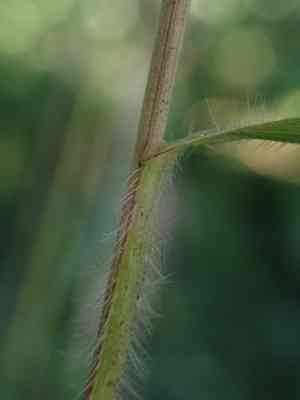
Hairy brome, a perennial grass, is recognized by its elevated, clustered growth and downy seed structures. Trim in early spring or winter, while the plant is inactive, to preserve its well-being and manage its expansion. Sever the prior year's leaves close to the soil to stimulate new development. Consistent elimination of aged stalks improves air movement, lessens illness, and stops self-propagation, which can be aggressive. Trimming also readies hairy brome for vigorous growth in the subsequent period.
What Are the Benefits of Pruning Hairy Brome?
What Are the Benefits of Pruning Hairy Brome?
Trimming hairy brome promotes robust development and maintains its desired shape. Regular cutting allows for a more controlled size and a tidier look, while also encouraging new, healthy shoots.
What Is the Best Time for Pruning Hairy Brome?
What Is the Best Time for Pruning Hairy Brome?
Pruning or trimming hairy brome in early spring is crucial as it coincides with the period just before the start of the growing season, enabling the plant to recover and allocate energy to new growth effectively. This timing helps hairy brome sustain vitality and ensures a healthy development phase. Additionally, winter pruning benefits hairy brome once it has entered dormancy. During this stage, the absence of foliage offers better visibility, allowing for more accurate cuts and minimizing stress and the chance of disease transmission. Trimming in winter also prepares hairy brome to focus resources on new growth when temperatures rise.
What Tools Do I Need to Prune Hairy Brome?
Hand Pruners
Perfect for trimming individual blades and slender stems of hairy brome. They provide precision and are easy to handle, making them suitable for detailed work on hairy brome.
Grass Shears
Excellent for shaping and managing the growth of hairy brome. Their long blades enable quick, efficient cuts across multiple stems.
Scythes or Sickle
Useful for managing larger areas of hairy brome, especially if dealing with an entire meadow. These tools allow for swift removal of large sections of growth without having to cut stem by stem.
Gloves
Essential for protecting hands from the rough, potentially irritating foliage of hairy brome during the pruning process.
How to Prune Hairy Brome
Clean tools
Sanitize your pruning tools with isopropyl alcohol to prevent the spread of disease while trimming hairy brome.
Identify diseased
Identify any diseased leaves by their discoloration or distortion, and carefully remove these from hairy brome using sharp and clean scissors or pruners.
Remove withered
Locate and remove any withered or dead leaves from hairy brome to help redirect nutrient flow to healthy growth, cutting at the base of the leaf stem.
Disposal
Properly dispose of all removed leaves, ideally in a sealed bag or container, to prevent any diseases from spreading in the garden.
Health inspection
After pruning, inspect hairy brome for any signs of pests or other diseases as a preventive measure for future growth.
Common Pruning Mistakes with Hairy Brome
Overpruning
Removing too much foliage at once can stress hairy brome, leading to reduced vigor and potential dieback.
Cut placement
Incorrectly placed cuts may damage the stems of hairy brome or create entry points for pests and diseases.
Disregarding health
Pruning without assessing the health of hairy brome can exacerbate issues like infections or infestations.
Tool use
Using dull or dirty tools can result in jagged cuts that are slow to heal, increasing the risk of disease for hairy brome.
Ignoring form
Pruning without considering the natural growth habit of hairy brome can result in an unnatural appearance and poor growth patterns.
Common Pruning Tips for Hairy Brome
Sharp clean tools
Always use sharp, clean cutting tools to make precise cuts, reducing stress or damage to hairy brome.
Thin out
Thin out congested stems to increase air circulation, which helps reduce the risk of fungal diseases in hairy brome.
Cut angle
Cut at a slight angle just above a bud or branching point to promote healthy new growth in hairy brome.
Health check
Before pruning, assess the overall health of hairy brome and target dead, diseased, or weak stems for removal.
Natural shape
Aim to maintain the natural shape of hairy brome when pruning, removing just enough growth to rejuvenate and shape the plant.



