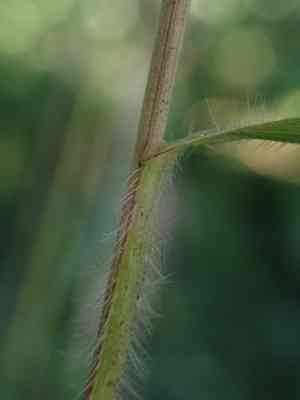
Hairy brome (Bromus ramosus)
Also known as: Wood bromegrass
Hairy brome (Bromus ramosus) gets its name "brome" from the Greek word "bromos," which means oats, due to its resemblance to oat plants. Unlike many other brome species, hairy brome thrives in shady environments and can be found both at high altitudes above 2900 meters and in more common areas like roadsides.
In This Article
Attributes of Hairy brome
Lifespan
Perennial
Plant Type
Grass
Plant Height
60-150 cm
Spread
N/A
Leaf Color
Green
Flower Size
N/A
Flower Color
Yellow Purple Green Brown
Images of Hairy brome

Quickly Identify Hairy brome
1
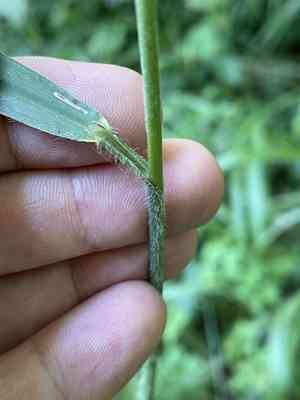
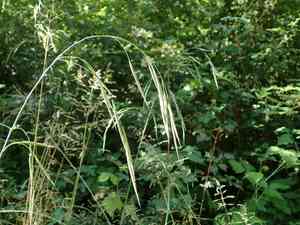
Bromus ramosus can be identified by its tall, nodding flower spikes and its rough, hairy leaves. The flower spikes are typically long and loose, with long awns coming from the spikelets.
Scientific Classification of Hairy brome
Phylum
Vascular plants
Class
Monocotyledons
Order
Poales
Family
Grass
Genus
Bromes
Species
Hairy brome
Planting and Growing of Hairy brome
Care Difficulty
Moderate
Watering Schedule
Every 4 days
Sunlight Requirements
Partial sun
Sunshine Duration
6-10 hours
Ideal Temperature
50-77℉
Soil Type
Potting Mix, Peat Mix
Soil pH
6.5-7.5
Fertilizer Type
Balanced
Pruning Season
Spring, Summer
Pruning Area
Branches, Leaves
Pruning Frequency
2 times a year
Repotting Season
Spring
Pot Type
Plastic, Ceramic
 How to Water Hairy brome?
For Bromus ramosus, watering should be done thoroughly ensuring that the soil is evenly moist, but avoid waterlogging. Applying approximately 250 ml allows the moisture to reach the root zone without drenching or leaving stagnant water.
What are the symptoms of an underwatered Hairy brome?
›
What should I do if my Hairy brome is not getting enough water?
›
What are the symptoms of an overwatered Hairy brome?
›
How to save an overwatered Hairy brome?
›
 What Are the Sunlight Requirements for Hairy brome?
Partial sunlight provides the optimal light condition for Bromus ramosus, fostering healthy, balanced growth without the risk of overheating or wilting.
Solution for Ideal Lighting
›
Specific Measures
›
Effects of Ideal Light
›
 What Is the Ideal Temperature Range for Hairy brome?
The ideal temperature range for Bromus ramosus, a robust grass species, falls between 50°F and 77°F. This temperature span ensures optimal metabolic activities and photosynthesis while minimizing stress. This range mirrors its preferred European woodland habitat, offering the warm, moderate environment it thrives in.
 What Soil is Best for Hairy brome?
Bromus ramosus thrives in nutrient-rich environments, which can significantly enhance its growth and health. A loamy, well-fertilized soil will ensure abundant nutrients, fostering strong root development and robust foliage. This plant prefers well-drained soil to prevent waterlogging that can lead to root rot. Sandy loam is ideal because it allows excess water to drain while retaining necessary moisture and nutrients, benefiting the plant's overall health. Bromus ramosus requires soil that maintains moderate moisture levels without becoming waterlogged. A balanced loamy or clay soil ensures adequate moisture retention, promoting healthy growth and preventing dehydration.
 How to Fertilize Hairy brome?
For Bromus ramosus, ensure a balanced nutritional plan by providing approximately 10 grams of liquid fertilizer per square meter monthly during its growth phase. This helps the grass develop robustly without over-fertilizing.
 How to Prune Hairy brome?
Start pruning Bromus ramosus by removing any dead or diseased stems. This clears away unwanted growth and lets you see the plant’s natural shape. Next, trim back overgrown areas, cutting above a node to encourage new shoots and bushier growth. Routinely thin out the center to improve air circulation and make sure sunlight reaches all parts of the plant. Finally, collect and properly dispose of all pruned material to prevent fungal diseases. Evaluate the overall health and growth pattern of Bromus ramosus to tailor your pruning approach. Overly dense patches may require more aggressive thinning, whereas sparse or newly established plants benefit from lighter pruning, enabling them to establish robust root systems and healthy, vigorous stalks.
More About Pruning Techniques→
 How to Propagate Hairy brome plant?
1
Collect seeds from mature Bromus ramosus plants in late summer. Ensure they are fully ripe by checking that the seed heads are dry and start to fall off easily. This is crucial for successful germination.
2
Sow the collected seeds evenly in a seed tray filled with well-draining potting mix. Lightly cover the seeds with soil and water gently to avoid dislodging them. Keep the tray in a warm, light location.
3
In early spring, dig up established Bromus ramosus plants. Use a hand trowel to carefully split the clumps, ensuring each division has roots attached. Replant the divisions in prepared soil immediately.
 How to Repot Hairy brome plant?
1
Repotting Bromus ramosus should be done when you notice its growth slows down or roots start coming out from drainage holes. It typically happens every 2 to 3 years. Early spring or autumn is ideal since the plant is not in its active growth phase, reducing stress during transition.
2
Select a pot that's one size larger than the current one, with appropriate drainage holes to prevent water logging. Ceramic or clay pots are good because they provide stability and breathe well, ensuring excess moisture evaporates, reducing root rot risk.
3
Opt for a well-draining potting mix, which may include a blend of peat, perlite, and sand. This type of soil provides the right balance of moisture retention and aeration, facilitating healthy root development, and reducing compaction over time.



