How to Transplant Climbing bridelia?
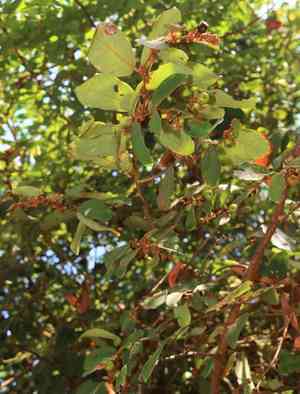
The ideal period for relocating climbing bridelia spans from the latter part of spring into the commencement of early summer, facilitating prime root development. Select a bright spot featuring fertile ground. Should it be necessary, enrich the soil with organic material to foster vigor.
What Preparations are Needed Before Transplanting Climbing Bridelia?
What is the Ideal Time for Transplanting Climbing Bridelia?
The optimal period to relocate climbing bridelia is at the onset of warmer weather, typically late spring to early summer. This timeframe provides climbing bridelia with sufficient warmth and increasing daylight for flourishing. Moving climbing bridelia now leverages the season's energy, promoting vigorous development and easier adaptation. Trust this timing for a lush, vibrant outcome!
How Much Space Should You Leave Between Climbing Bridelia Plants?
Before placing climbing bridelia in your garden, confirm adequate room. Aim to position them 8-12 feet apart (2.4-3.6 meters) to allow each plant ample space to ascend and thrive without overcrowding its neighbors.
What is the Best Soil Mix for Climbing Bridelia Transplanting?
Prepare your soil for climbing bridelia by ensuring it is well-draining and rich in organic matter. Incorporate a balanced slow-release fertilizer to give your climbing bridelia a healthy start. A 10-10-10 fertilizer blended into the top 6-10 inches (15-25 cm) of soil should be effective!
Where Should You Relocate Your Climbing Bridelia?
Select a location where climbing bridelia will receive full to partial sunlight for optimal development. This means a spot where they will get at least 6 hours of sunlight daily. Avoid excessively shaded areas so your climbing bridelia can truly flourish!
What Equipments Should You Prepare Before Transplantation Climbing Bridelia?
Gardening Gloves
To safeguard your hands while handling soil and the plant.
Shovel or Spade
For excavating the plant and preparing the new planting site.
Watering Can or Hose
To hydrate the plant before and after its relocation.
Wheelbarrow or Tarp
To move the plant from its original spot to the new area.
Pruning Shears
To trim any damaged or excess growth prior to transplanting.
Measuring Tape
To precisely gauge the depth and width of the planting hole.
Stake or Trellis
To provide support for climbing bridelia as it is a climbing plant.
How Do You Remove Climbing Bridelia from the Soil?
How Do You Remove Climbing Bridelia from the Soil?
From Ground: Hydrate the climbing bridelia to moisten the soil, making it easier to manage. Dig a generous trench around the plant using a shovel or spade, being careful not to harm the root ball. Gently pry the plant from the ground, keeping the root structure as intact as possible.From Pot: Water the climbing bridelia thoroughly to facilitate the roots sliding out of the pot. Tilt the pot sideways and tap or press its sides to loosen the plant. Carefully pull the plant by its base, supporting the root ball to prevent damage.From Seedling Tray: Water the climbing bridelia seedlings before transplanting to ensure the soil is damp. Carefully scoop out each seedling with a trowel or your fingers, making sure to include the roots and surrounding soil to minimize root disturbance.
Step-by-Step Guide for Transplanting Climbing Bridelia
Transplant Timing
Determine the best season for relocating climbing bridelia, ideally during mild weather to prevent transplant shock.
Pre-Transplant Pruning
Trim any damaged or excessive growth to direct the plantâs energy towards re-establishing its roots.
Digging the Hole
Excavate a hole slightly larger than the root ball of the climbing bridelia, ensuring ample space for root expansion.
Plant Positioning
Place the climbing bridelia in the center of the hole, making sure it is positioned at the same depth it was growing previously.
Refilling the Hole
Carefully backfill the hole with soil, gently firming it down without compacting it, to secure the plant in place.
Staking
Install a stake or trellis for the climbing bridelia to ascend as it grows, ensuring itâs robust enough to support the plant.
Watering After Transplant
Thoroughly water the climbing bridelia after transplanting to settle the soil and eliminate air pockets around the roots.
Mulching
Apply a layer of mulch around the base of the climbing bridelia to help retain moisture and inhibit weed growth.
How Do You Care For Climbing Bridelia After Transplanting?
Monitoring
Regularly inspect the climbing bridelia for indications of transplant shock, such as wilting or yellowing leaves, and address any issues promptly.
Support Adjustment
Adjust the stake or trellis as necessary to accommodate the growth of climbing bridelia to ensure it remains securely supported.
Pest Control
Check for and manage any pests that could stress the climbing bridelia while itâs still establishing.
Additional Watering
Provide extra water during dry periods in the first growing season, as the climbing bridelia will have less extensive roots to seek out moisture.
Troubleshooting Common Issues with Climbing Bridelia Transplantation.
What's the best time of year to transplant climbing bridelia?
The optimal transplanting period is from late spring to early summer when the weather is temperate.
How far apart should I space climbing bridelia for optimal growth?
Space climbing bridelia approximately 8-12 feet apart (2.4-3.7 meters) to ensure sufficient room for development.
How deep should I dig the hole for transplanting climbing bridelia?
The hole should be twice as wide as the root ball and of the same depth to accommodate its growth.
What should I do if climbing bridelia's leaves wilt after transplanting?
Ensure adequate watering and provide shade from intense sun for the initial weeks post-transplant to lessen stress.
Why is my climbing bridelia not thriving after transplanting?
Verify correct planting depth, well-drained soil, and that climbing bridelia isn't waterlogged or too dry.
How can I tell if I'm overwatering my transplanted climbing bridelia?
Indicators include yellowing foliage and soggy soil. Allow the top inch of soil to dry before re-watering.
Should I fertilize climbing bridelia after transplanting, and when?
Fertilize after climbing bridelia has settled and shows signs of new growth, using a balanced, slow-release fertilizer.
My transplanted climbing bridelia is growing slowly, what could be the issue?
It may require more sunlight or be contending with root competition. Also, check for proper soil fertility and moisture.
What's the ideal soil pH for transplanting climbing bridelia?
Aim for a soil pH that is close to neutral. Test your soil and adjust as needed for optimal results.
Can I transplant climbing bridelia during a hot spell in summer?
Itâs best to avoid transplanting during extreme heat. Wait for a cooler period to minimize transplant shock.



