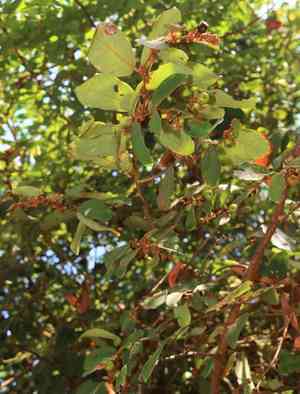
Climbing bridelia (Bridelia stipularis)
Also known as: Jungle Bridelia, Broad-leaved Bridelia
Bridelia stipularis is a perennial evergreen climber grows over hedges and bushes and sometimes on bigger trees. It is native to Southeast Asia, southern China, and the Indian subcontinent. Used as medicines in Malaysia and the Philippines. Bridelia stipularis, as other Bridelia species, used as food plants by the larvae of some Lepidoptera species including Endoclita malabaricus.
In This Article
Attributes of Climbing bridelia
Lifespan
Perennial
Plant Type
Vine
Plant Height
8 m to 20 m
Spread
No distinct crown due to its climbing nature.
Leaf Color
Green
Flower Size
1 cm
Flower Color
Yellow Red Green Cream
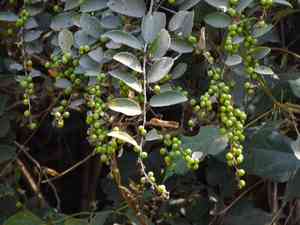
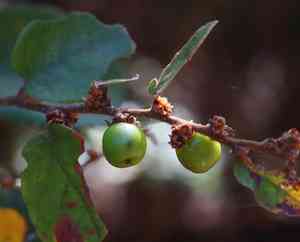
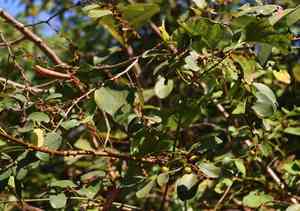
Images of Climbing bridelia
Quickly Identify Climbing bridelia
1
Bridelia stipularis can be identified by its scandent growth habit, the presence of stipules, and its broad, ovate leaves. The stems often have lenticels, and the flowers are small and greenish-yellow, growing in clusters.
Scientific Classification of Climbing bridelia
Phylum
Vascular plants
Class
Dicotyledons
Order
Malpighiales
Family
Leaf-flower
Genus
Bridelia
Species
Climbing bridelia
Planting and Growing of Climbing bridelia
Care Difficulty
Moderate
Watering Schedule
Every 4 days
Sunlight Requirements
Partial sun
Sunshine Duration
10-12 hours
Ideal Temperature
70-80℉
Soil Type
Potting Mix, Peat Mix
Soil pH
6.5-7.5
Fertilizer Type
Balanced
Pruning Season
Spring, Summer
Pruning Area
Branches, Leaves
Pruning Frequency
2 times a year
Repotting Season
Spring
Pot Type
Plastic, Ceramic
 How to Water Climbing bridelia?
Bridelia stipularis prefers a moderate amount of water. Pour 400 ml evenly across the soil surface, allowing water to soak in until it begins to drain from the pot's base. Avoid waterlogging as it can lead to root rot.
What are the symptoms of an underwatered Climbing bridelia?
›
What should I do if my Climbing bridelia is not getting enough water?
›
What are the symptoms of an overwatered Climbing bridelia?
›
How to save an overwatered Climbing bridelia?
›
 What Are the Sunlight Requirements for Climbing bridelia?
Prefers partial to full sun conditions. Adequate sunlight enhances chlorophyll production, improves flowering and fruiting, and results in a sturdier plant overall.
What are ideal lighting conditions?
›
How to achieve ideal sunlight?
›
Benefits of ideal lighting conditions
›
 What Is the Ideal Temperature Range for Climbing bridelia?
The ideal temperature range for Bridelia stipularis is between 70°F and 80°F. This range provides optimal conditions for growth, as it mimics the natural habitat in which the plant thrives. Maintaining this range ensures the plant's metabolism and photosynthesis processes operate efficiently.
 What Soil is Best for Climbing bridelia?
Bridelia stipularis thrives in nutrient-rich soils that are high in organic matter, which supports healthy root development and overall plant growth. By providing a steady supply of nutrients, the plant maintains vibrant foliage and robust structure. This plant requires well-draining soil to prevent root rot and other water-related issues. Good drainage ensures that excess water doesn't stagnate around the roots, which is crucial for the plant's health and longevity. While drainage is crucial, retaining some moisture in the soil helps the plant sustain itself, especially in times of drought. Balancing moisture retention with drainage is key to supporting continuous growth.
 How to Fertilize Climbing bridelia?
For Bridelia stipularis, it is essential to apply fertilizer carefully, ensuring not to overfeed. Liquid fertilizers should be diluted to half the recommended strength. Slow-release fertilizers should be applied sparingly, using approximately 50-80 grams per plant to avoid any detrimental effects.
 How to Prune Climbing bridelia?
Young Bridelia stipularis plants should be pruned more conservatively to allow them to establish a strong framework. Avoid heavy pruning that could stunt growth. While pruning promotes growth, over-pruning can stress the plant, making it susceptible to pests and diseases. Always aim to remove no more than one-third of the live growth at a time. If you want to enjoy its blooms, be gentle and strategic about removing only necessary branches during its flowering period to prevent losing buds.
More About Pruning Techniques→
 How to Propagate Climbing bridelia plant?
1
Select healthy stems from the parent plant that are free from diseases or pests. Cut a section of the stem about 4-6 inches long, making sure it includes a few leaves at the top. Remove the leaves from the lower half to prevent rot and make room for planting.
2
Prepare a well-draining propagation mix that can retain moisture while also allowing for air circulation. A mix of peat and perlite is often recommended. Fill planting trays or pots with this mix, ensuring that there is enough space for the seedlings or cuttings.
3
Insert the cutting or seed into the propagation medium at a suitable depth, ensuring stability. Gently water the planting medium to make it moist, but be cautious not to overwater as this can lead to rot. Keep the setup in an area with indirect light and stable temperature.
 How to Repot Climbing bridelia plant?
1
Look for signs like roots circling the pot or poking through drainage holes, stunted growth, or leaves yellowing. These indicators suggest that your Bridelia stipularis is ready for a larger space and more nutrients.
2
Select a pot that is one size larger than the current one, with adequate drainage holes. A slightly larger pot prevents waterlogging, encourages healthy growth, and allows room for the roots to expand comfortably.
3
Opt for a soil mix that offers both moisture retention and good drainage—consider a blend of peat, perlite, and vermiculite. This mix ensures that roots receive essential moisture without becoming waterlogged, promoting a robust plant.
Learn More About Climbing bridelia Diseases
Anthracnose
Bacterial Leaf Spot
Bacterial Soft Rot
Bacterial Wilt
Black Spot
Chemical Injury
Crown Gall
Cyst Nematode
Damping-off
Downy Mildew
Drought Stress
Fusarium Wilt
Gray Mold
Leaf Curl
Leaf Spot
Mosaic
Nutrient Deficiency
Nutrient Toxicity
Powdery Mildew
Root Rot
Root-knot Nematode
Rusts
Sooty Mold
Spider Mites
Temperature Stress
Thrips Damage
White Mold



