How to Prune Climbing bridelia?
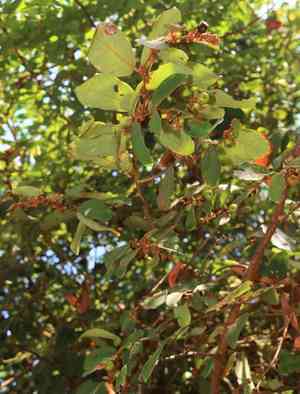
This lignified vine flourishes with consistent upkeep. For optimal development, trim climbing bridelia in late winter prior to the spring surge of growth. Eliminate deceased or frail branches to foster robust progress and air movement. Reducing crowded sections allows sunlight to penetrate interior branches, which is crucial for blooming and fruit production. Trimming also preserves the preferred form and manages dimensions. Protective equipment is advisable given climbing bridelia's frequently thorny characteristics. Regular pruning boosts the plant's vitality and visual attractiveness.
What Are the Benefits of Pruning Climbing Bridelia?
What Are the Benefits of Pruning Climbing Bridelia?
Trimming climbing bridelia promotes robust development by eliminating dead or overgrown limbs, which enhances light penetration and air circulation. It also aids in preserving the desired form for aesthetic appeal and garden design.
What Is the Best Time for Pruning Climbing Bridelia?
What Is the Best Time for Pruning Climbing Bridelia?
Trimming climbing bridelia in late winter or early spring is advisable, as this coincides with the end of dormancy and the start of the plant's active growth cycle. This timing allows the plant to recover quickly from cuts, minimizes stress, and prepares climbing bridelia for strong spring growth. Avoiding pruning during the growth flush and the flowering or fruiting period ensures that the plant's energy is not needlessly diverted, reducing potential yield loss. Additionally, pruning when the plant is dormant can prevent the spread of diseases that are more active during warmer, wetter seasons.
What Tools Do I Need to Prune Climbing Bridelia?
Hand Pruners
Crucial for making accurate cuts on climbing bridelia's smaller branches and twigs. Perfect for maintaining the plant's shape and removing any diseased or dead wood.
Lopping Shears
These are utilized for cutting thicker branches that hand pruners cannot manage. They will provide the leverage needed for branches up to 1.5 inches in diameter, ensuring clean cuts for the healthy growth of climbing bridelia.
Pruning Saw
For the mature and thicker branches of climbing bridelia, a pruning saw is essential. It allows for cutting branches over 1.5 inches in diameter without causing harm to the rest of the plant.
Gloves
It is recommended to wear gloves to safeguard the gardener's hands from potential thorns or rough bark while pruning climbing bridelia.
Garden Scissors
For more precise trimming and shaping of climbing bridelia's foliage or for thin, delicate stems, garden scissors are suggested for their accuracy and ease of use.
How to Prune Climbing Bridelia
Clean tools
Prepare by sanitizing pruning shears or scissors to prevent the spread of disease and ensure a clean cut on climbing bridelia.
Identify diseased
Examine climbing bridelia to identify any diseased leaves by looking for discoloration, spots, or signs of fungal infection common in unhealthy foliage.
Prune diseased
Carefully remove diseased leaves by cutting at the base of the leaf stem, ensuring not to tear or damage the bark or adjoining stems.
Identify withered
Spot any withered leaves on climbing bridelia which are typically dry, brittle, and may be brown or discolored, indicating they are no longer alive.
Prune withered
Snip off the withered leaves at the base of their stems, making sure to create a clean cut that will heal quickly without leaving stubs that can attract pests.
Common Pruning Mistakes with Climbing Bridelia
Over-pruning
Removing too much foliage at once can stress climbing bridelia, hindering its growth and recovery. Aim for light to moderate pruning.
Under-pruning
Failing to remove enough can result in a leggy, less vigorous climbing bridelia, as well as increased susceptibility to pests and diseases.
Improper cutting
Incorrect cutting technique can damage climbing bridelia's stems, leading to dieback or disease. Cuts should be made at a 45-degree angle just above a node or lateral branch.
Pruning healthy growth
Removing healthy, vigorous growth can limit the climbing bridelia's potential for flowering and new growth.
Neglecting dead or diseased wood
Dead or diseased branches should be removed to maintain the health and appearance of climbing bridelia, as they can harbor pests and disease.
Using dull tools
Pruning with dull tools can cause rough, tattered cuts that take longer to heal and are more susceptible to disease.
Common Pruning Tips for Climbing Bridelia
Clean tools
Use clean, sharp pruning shears to make precise cuts that will heal quickly, reducing the risk of disease.
Selective pruning
Target specific areas of climbing bridelia for shape, better air circulation, and light penetration without compromising the plant structure.
Follow growth pattern
Understand the growth habits of climbing bridelia to make informed cuts that encourage desired growth directions and patterns.
Promote branching
Climbing bridelia often benefits from selective heading cuts, which encourage bushier growth and more blooms on new wood.
Safety margins
Leave a small collar when cutting, to promote healing without damaging the main stem or branch collar of climbing bridelia.
Maintenance pruning
Perform regular maintenance pruning to remove any weak, crossing, or rubbing branches to maintain the structural integrity and health of climbing bridelia.



