How to Transplant Littleleaf brickellbush?
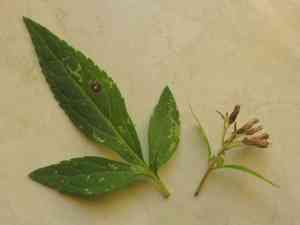
Littleleaf brickellbush flourishes when relocated between late spring and early summer, since the warmer ground aids in root development. Provide a bright spot with soil that drains effectively for peak performance. Moving it under these circumstances boosts its hardiness and strength.
What Preparations are Needed Before Transplanting Littleleaf Brickellbush?
What is the Ideal Time for Transplanting Littleleaf Brickellbush?
The best time to move littleleaf brickellbush is from late spring to early summer. This period ensures soil warmth for root growth and sufficient moisture. Transplanting then allows littleleaf brickellbush to adapt and develop a strong root system before intense summer heat. This season also provides ample daylight for photosynthesis, promoting quick growth and successful establishment.
How Much Space Should You Leave Between Littleleaf Brickellbush Plants?
When relocating littleleaf brickellbush, aim for a distance of 18-24 inches (45-60 cm) between each plant. This provides adequate room for growth and prevents resource competition.
What is the Best Soil Mix for Littleleaf Brickellbush Transplanting?
Prepare soil that drains well, incorporating some compost or a balanced base fertilizer. Littleleaf brickellbush prefers less rich soils, so avoid heavy clay and ensure your soil mixture is light and airy.
Where Should You Relocate Your Littleleaf Brickellbush?
Littleleaf brickellbush thrives in sunlight! Select a location that receives full sun for at least six hours daily. This will aid in the plant's development of robust stems and vibrant flowers.
What Equipments Should You Prepare Before Transplantation Littleleaf Brickellbush?
Gardening Gloves
To safeguard your hands while handling soil and the plant.
Shovel or Spade
For excavating the new planting site and extracting the plant from its original spot.
Gardening Fork
To gently loosen the soil around the root ball, especially when removing from a container or seedling tray.
Watering Can or Hose
To hydrate the plant before and after its relocation.
Pruning Shears
If needed, to trim any damaged or dead roots or foliage.
Tarp or Blanket (optional)
To place the plant and soil on, preventing mess and ensuring root protection during the move.
How Do You Remove Littleleaf Brickellbush from the Soil?
How Do You Remove Littleleaf Brickellbush from the Soil?
From Ground: First, water the littleleaf brickellbush plant to moisten the soil. Then, dig a wide trench around the plant using a shovel or spade, ensuring the plant's root ball remains intact. Carefully work the spade under the root ball to lift the plant from its original location.From Pot: Begin by thoroughly watering the littleleaf brickellbush plant in its pot. Gently tilt the pot sideways and tap the sides to loosen the soil. Carefully slide the plant out of the pot, supporting the root ball as you do so.From Seedling Tray: Water the littleleaf brickellbush seedlings lightly. Use a gardening fork or a small trowel to gently lift each seedling, ensuring minimal disturbance to the roots. Handle the seedlings by their leaves, not stems, to avoid damage.
Step-by-Step Guide for Transplanting Littleleaf Brickellbush
Site Preparation
Select a spot with adequate sunlight and room for your littleleaf brickellbush to reach its full size. Dig a hole slightly larger than the littleleaf brickellbush's root ball.
Loosening Soil
Break up the soil at the bottom of the hole to encourage root growth. Incorporate any necessary soil amendments to enhance fertility and drainage.
Placing the Plant
Position the littleleaf brickellbush plant in the hole, ensuring it sits at the same depth as its original planting. The top of the root ball should be level with or slightly above the surrounding soil.
Filling the Hole
Backfill the hole with soil, gently pressing down to eliminate air pockets, taking care not to harm the roots.
Watering
Water the littleleaf brickellbush thoroughly after transplanting to help settle the soil and establish roots. Ensure the soil is evenly moist but not waterlogged.
How Do You Care For Littleleaf Brickellbush After Transplanting?
Watering
Keep the soil around the littleleaf brickellbush consistently moist but not waterlogged for the initial weeks post-transplant to aid in root establishment.
Mulching
Apply a layer of mulch around the base of the littleleaf brickellbush to retain soil moisture and prevent weed growth.
Pruning
After transplanting, trim any damaged or broken stems to reduce plant stress and promote healthy development.
Monitoring
Regularly inspect the littleleaf brickellbush for signs of transplant shock, such as wilting or yellowing leaves, and intervene if needed by adjusting watering or providing temporary shade.
Troubleshooting Common Issues with Littleleaf Brickellbush Transplantation.
When is the best time to transplant littleleaf brickellbush?
The optimal period to transplant littleleaf brickellbush is from late spring to early summer for best outcomes.
How much space should I leave between littleleaf brickellbush plants?
Ensure 18-24 inches (45-60 cm) of space between littleleaf brickellbush plants for proper development.
How should I prepare the soil for littleleaf brickellbush transplanting?
Prepare well-drained soil with ample organic matter to provide littleleaf brickellbush a healthy growing environment.
What should I do if littleleaf brickellbush shows signs of transplant shock?
Water thoroughly and provide partial shade to help littleleaf brickellbush recover from transplant shock.
How deep should I plant littleleaf brickellbush during transplanting?
Plant littleleaf brickellbush at the same depth it was previously growing to ensure stability.
Can I transplant littleleaf brickellbush in extremely hot weather?
Avoid transplanting littleleaf brickellbush in extremely hot weather; opt for cooler late spring to early summer days.
What type of watering schedule should I follow after transplanting littleleaf brickellbush?
Water littleleaf brickellbush deeply after transplanting, then maintain a consistent watering schedule to keep the soil moist.
Should I use any fertilizer when transplanting littleleaf brickellbush?
Incorporate a balanced, slow-release fertilizer into the soil during littleleaf brickellbush's transplanting for better nutrient availability.
What is the best way to handle littleleaf brickellbush's roots during transplanting?
Handle littleleaf brickellbush's roots gently and avoid damaging them to reduce transplant shock risk.
How can I protect newly transplanted littleleaf brickellbush from pests?
Use natural pest repellents like neem oil or insecticidal soap to protect littleleaf brickellbush post-transplant.



