How to Prune Littleleaf brickellbush?
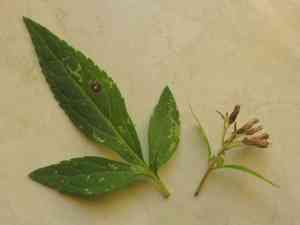
This hardy shrub, known for its small leaves, flourishes with careful trimming to preserve its form and boost its well-being. Perform pruning in late winter or early spring, prior to the emergence of new shoots. This schedule stimulates strong spring development and prevents the plant from developing an elongated, sparse appearance. It is crucial to eliminate any lifeless or compromised branches to improve air movement and light exposure, which are essential for the littleleaf brickellbush's best development. Consistent trimming also reduces problems with pests, leading to a sturdy and appealing shrub.
What Are the Benefits of Pruning Littleleaf Brickellbush?
What Are the Benefits of Pruning Littleleaf Brickellbush?
Trimming littleleaf brickellbush encourages robust development and preserves its form, crucial for maximizing space and improving its visual appeal in garden settings.
What Is the Best Time for Pruning Littleleaf Brickellbush?
What Is the Best Time for Pruning Littleleaf Brickellbush?
Pruning littleleaf brickellbush in late winter or early spring is optimal, coinciding with its dormant phase before new growth emerges. This timing avoids stressing the plant during active growth and allows for better wound recovery. Additionally, trimming before spring growth stimulates healthier, stronger foliage and maintains the plant's natural shape, boosting its overall health and aesthetic.
What Tools Do I Need to Prune Littleleaf Brickellbush?
Hand Pruners
Crucial for making clean, accurate cuts on littleleaf brickellbush's smaller, more delicate stems. Perfect for shaping and removing dead or diseased branches without unnecessary plant harm.
Pruning Saw
Useful for cutting through thicker littleleaf brickellbush branches that hand pruners cannot manage. Helps control size and maintain plant health by removing larger, potentially problematic limbs.
Gardening Gloves
Important for protecting the gardener's hands from scratches or other injuries while pruning littleleaf brickellbush. They ensure safety and comfort during the pruning process.
Loppers
Effective for reaching deeper or higher thick branches that require cutting. They provide greater leverage for making clean cuts on littleleaf brickellbush without excessive force.
How to Prune Littleleaf Brickellbush
Identify
Identify and remove any diseased or withered leaves from littleleaf brickellbush. Carefully inspect the foliage and select leaves showing signs of disease, such as discoloration or wilting. Use sterilized pruning shears to make clean cuts at the base of each affected leaf to prevent disease spread.
Trim dead branches
Trim all dead branches from littleleaf brickellbush. Dead branches typically appear dry and brittle and may lack foliage. Prune these branches at their origin or back to the main stem, ensuring cuts are made with sharp, clean tools to promote healing and prevent damage to the remaining healthy parts of littleleaf brickellbush.
Prune diseased branches
Prune all diseased branches from littleleaf brickellbush. Look for branches with signs of infection or decay, such as unusual growth patterns, discoloration, or soft, spongy textures. Remove these branches completely to prevent further infection, cutting back to healthy tissue or to the main stem using sterilized equipment.
Shape plant
Shape littleleaf brickellbush after removing unhealthy parts. Focus on creating an aesthetically pleasing shape while maintaining its natural growth habit. Remove any crossing or rubbing branches to improve air circulation and light penetration, which can enhance the overall health and appearance of littleleaf brickellbush.
Cleanup
Clean up all removed foliage and branches by disposing of them properly. Do not compost diseased material as it can harbor pathogens. Sterilize your pruning tools after finishing to prevent the spread of any disease to other plants or subsequent pruning activities.
Common Pruning Mistakes with Littleleaf Brickellbush
Overpruning
A common error is removing too much foliage from littleleaf brickellbush, which can weaken the plant. It's vital not to remove more than one-third of the total plant mass in a single pruning session.
Improper cut locations
Cuts made too far from a bud or node can result in dead stubs, leaving littleleaf brickellbush susceptible to pests and diseases. Conversely, cuts too close can damage the bud, hindering proper regrowth.
Using dull tools
Utilizing dull pruning tools can cause jagged cuts that heal poorly, increasing littleleaf brickellbush's vulnerability to disease.
Common Pruning Tips for Littleleaf Brickellbush
Clean cuts
Ensure cuts are clean and sharp. Use well-maintained, sharp pruning shears to make precise cuts just above leaf nodes. This encourages healthy growth and reduces stress on littleleaf brickellbush.
Prune for shape
Focus on shaping littleleaf brickellbush by selectively pruning branches that disrupt its natural shape or dense growth pattern. This strategy enhances air circulation and light penetration, vital for the plant's overall health.
Remove damaged portions
Regularly inspect and promptly remove any dead, damaged, or diseased branches from littleleaf brickellbush. This not only maintains aesthetics but also prevents the spread of potential diseases.



