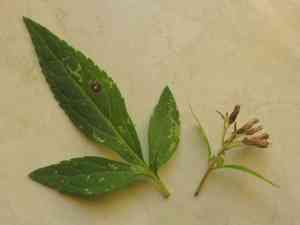
Littleleaf brickellbush (Brickellia microphylla)
Also known as: Littleleaf Brickellbush
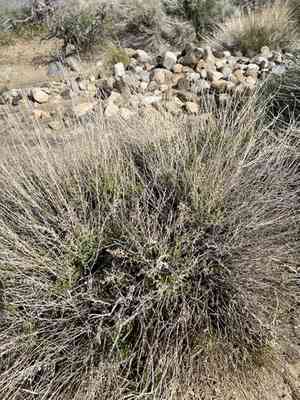
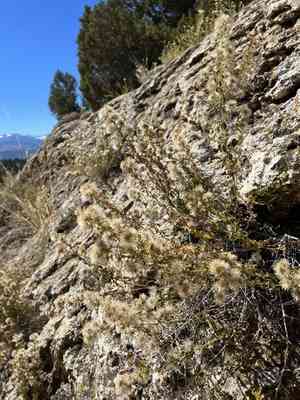
Brickellia microphylla, a shrub typically ranging from 30 to 70 cm in height, features numerous small flower heads that are usually pale yellow and sometimes have a hint of purple. These flowers often cluster at the branch tips. The blooming season for this plant extends from summer into fall.
In This Article
Attributes of Littleleaf brickellbush
Lifespan
Perennial
Plant Type
Shrub
Plant Height
Up to 3 feet (1 meter)
Spread
Approximately 2-3 feet (60-90 cm)
Leaf Color
Green
Flower Size
About 0.2-0.4 inches (5-10 mm)
Flower Color
White to pale yellow
Images of Littleleaf brickellbush

Quickly Identify Littleleaf brickellbush
1
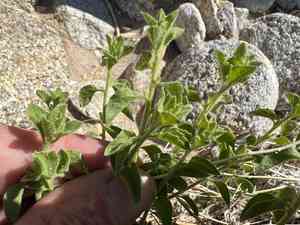
Brickellia microphylla can be recognized by its small, narrow leaves, and its overall bushy appearance. The leaves are usually less than an inch long and can be somewhat sticky to the touch.
Scientific Classification of Littleleaf brickellbush
Phylum
Vascular plants
Class
Dicotyledons
Order
Asterales
Family
Daisy
Genus
Brickellbushes
Species
Littleleaf brickellbush
Planting and Growing of Littleleaf brickellbush
Care Difficulty
Easy
Watering Schedule
Every 2 days
Sunlight Requirements
Full sun
Sunshine Duration
4-8 hours
Ideal Temperature
65-80℉
Soil Type
Potting Mix, Peat Mix
Soil pH
6.5-7.5
Fertilizer Type
Balanced
Pruning Season
Spring, Summer
Pruning Area
Branches, Leaves
Pruning Frequency
2 times a year
Repotting Season
Spring
Pot Type
Plastic, Ceramic
 How to Water Littleleaf brickellbush?
Brickellia microphylla requires a moderate amount of water, ensuring the soil remains slightly moist but never waterlogged. It is crucial to water deeply each time, allowing approximately 250 ml of water to ensure the root system receives adequate hydration.
What are the symptoms of an underwatered Littleleaf brickellbush?
›
What should I do if my Littleleaf brickellbush is not getting enough water?
›
What are the symptoms of an overwatered Littleleaf brickellbush?
›
How to save an overwatered Littleleaf brickellbush?
›
 What Are the Sunlight Requirements for Littleleaf brickellbush?
Brickellia microphylla's ideal light range is full sun to partial sun, which supports its growth, enhances photosynthesis, and encourages vibrant flowers. Adequate sun exposure increases plant vitality and adaptability to its environment.
What is the ideal lighting for Brickellia microphylla?
›
How can you ensure Brickellia microphylla gets ideal lighting?
›
Benefits of providing ideal lighting for Brickellia microphylla?
›
 What Is the Ideal Temperature Range for Littleleaf brickellbush?
The ideal temperature range of 65 to 80 degrees Fahrenheit ensures that the plant can carry out its physiological processes efficiently. At these temperatures, metabolic activities within the plant cells are optimized, enabling better growth, photosynthesis, and reproduction. Maintaining this range helps in preventing thermal stress that can disrupt the plant's growth cycle.
 What Soil is Best for Littleleaf brickellbush?
Brickellia microphylla thrives in well-drained soils which prevent waterlogging and root rot. This condition ensures optimal root aeration, allowing the plant to absorb nutrients efficiently, promoting robust growth. This plant can flourish in nutrient-poor soils, making it ideal for arid environments. The ability to survive in less fertile soil means it requires minimal maintenance, reducing the need for soil amendments or fertilizers. With a tolerance for slightly alkaline soils, Brickellia microphylla can manage environments where other plants might struggle. This adaptability means it's versatile for various landscaping projects.
 How to Fertilize Littleleaf brickellbush?
A modest amount of fertilizer is sufficient for Brickellia microphylla. Generally, using a balanced liquid fertilizer diluted to half strength every time you water is ideal for this desert plant. Overfeeding can lead to chemical build-up in the soil, thus adherence to this schedule is crucial.
 How to Prune Littleleaf brickellbush?
Start by identifying dead, diseased, or damaged branches, as these should be pruned first. Following this, look for branches that are crossing or overly crowded. Make your cuts just above a leaf node or branching point, using a 45-degree angle. This encourages regrowth in the right direction and prevents water from pooling on the cut surface.
More About Pruning Techniques→
 How to Propagate Littleleaf brickellbush plant?
1
Harvest seeds from mature Brickellia microphylla plants. Ensure the seeds are dry before storing them in a cool, dark place until ready for planting in early spring.
2
Select a healthy stem and cut a 4-6 inch section just below a leaf node. Remove lower leaves and dip the cut end in rooting hormone before planting.
3
Gently lift the plant and separate the root clumps. Make sure each division has roots and shoots. Replant immediately in well-draining soil.
 How to Repot Littleleaf brickellbush plant?
1
Repotting Brickellia microphylla is signaled by several cues. Look for roots emerging from the drainage holes, a plant that quickly dries out after watering, or slowed growth. These indicators suggest that it's time to give your plant a fresh potting environment, ideally in the early days of spring when new growth resumes.
2
Select a pot that is one size larger than the current one. It's important to have good drainage, so look for a pot with adequate drainage holes. A terracotta pot is perfect as it allows breathability. This helps in preventing root rot by letting excess moisture escape, keeping the plant healthy and thriving.
3
Choose a well-draining gritty soil mix to replicate Brickellia microphylla's natural arid habitat. This soil type prevents waterlogging, which is essential for its roots to breathe. A blend that includes sand, perlite, or fine gravel is ideal, ensuring good aeration and helping the plant establish quickly in its new container.



