How to Transplant False boneset?
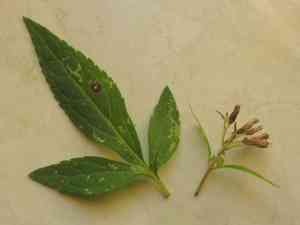
Relocate false boneset once the ground thaws, specifically from the end of frost until vigorous new growth commences. Select locations offering ample, diffused illumination. To ensure a smooth transition, preserve the existing soil around its roots and carefully firm the surrounding earth.
What Preparations are Needed Before Transplanting False Boneset?
What is the Ideal Time for Transplanting False Boneset?
The optimal period to move false boneset is from early spring until its conclusionâwhen the ground is warming yet damp. Relocating false boneset during this gentle natural awakening ensures the soil is fertile and receptive, fostering strong root development before summer's heat. This timeframe allows false boneset to benefit from longer days and mild conditions, reducing transplant stress and setting the stage for vigorous growth.
How Much Space Should You Leave Between False Boneset Plants?
When preparing to rehome false boneset, aim for a comfortable spacing of approximately 18-24 inches (45-60 cm) between each plant. This ensures ample room for each to thrive without competing for nutrients or sunlight.
What is the Best Soil Mix for False Boneset Transplanting?
For false boneset to flourish, prepare the planting area with well-draining soil, rich in organic matter. Incorporating a balanced, slow-release fertilizer will provide false boneset with the necessary nutrients to establish itself successfully.
Where Should You Relocate Your False Boneset?
Select a sunny location for your false boneset, where it can receive at least six hours of direct sunlight daily. This will provide your plant with the warmth and light it needs for robust and full development.
What Equipments Should You Prepare Before Transplantation False Boneset?
Gardening Gloves
To safeguard your hands while handling soil and plants.
Shovel or Spade
For excavating the plant from its original spot and preparing the new planting hole.
Gardening Fork
To gently loosen the soil surrounding the root ball prior to removal from the ground.
Watering Can or Hose
To hydrate the false boneset plant before extraction and after replanting.
Pruning Shears
To carefully trim any damaged roots or stems.
Wheelbarrow or Tarp
To transport the plant and soil without harming the root system.
Organic Mulch
To aid in moisture retention and weed suppression around the new planting site.
Measuring Tape
To assist in correctly spacing out new planting locations.
How Do You Remove False Boneset from the Soil?
How Do You Remove False Boneset from the Soil?
From Ground: First, moisten the false boneset plant to soften the soil, which helps minimize root damage. Using a gardening fork, carefully loosen the soil around the plant. Dig a wide circle around the root ball with your shovel or spade, going deep to preserve as much of the root system as possible. Slide the shovel underneath and lift the plant with care.From Pot: Thoroughly water the false boneset plant, then tilt the pot onto its side. Gently tap the sides and bottom to dislodge the plant. Support the plant's base with one hand and carefully ease it out with the root ball and soil intact.From Seedling Tray: Water the seedlings thoroughly. Use a spoon or a small tool to lift each false boneset seedling by its leaves, not the delicate stem. Ensure the soil and roots remain intact as you remove each seedling.
Step-by-Step Guide for Transplanting False Boneset
Preparation
Gather all necessary transplanting tools and thoroughly water the false boneset before starting the process to ensure root and soil cohesion.
Removal
Depending on the false boneset's initial location (ground, pot, or seedling tray), carefully extract the plant, ensuring minimal root disturbance.
Transplant Hole
At the new site, dig a hole twice the size of the root ball to allow for easy placement and root expansion. The depth should match the original planting depth to avoid burying the stem too deeply.
Placing the Plant
Carefully position the false boneset into the hole, setting it at the same depth it was previously growing. Adjust the root ball so it is centered and upright.
Backfilling
Use soil to refill around the root ball, gently firming it to eliminate air pockets. Stop when the planting hole is halfway filled to water around the root ball, which helps settle the soil.
Final Watering
After filling the hole, water the false boneset deeply to encourage new root growth and to further settle the soil.
Mulching
Apply a layer of organic mulch around the base of the false boneset, avoiding direct contact with the stem. This helps maintain soil temperature and moisture levels.
How Do You Care For False Boneset After Transplanting?
Initial Watering
Water the false boneset generously immediately after planting to settle the soil around its roots and to hydrate the plant.
Regular Observations
Monitor the false boneset for signs of stress, such as wilting leaves or stem discoloration, which may indicate issues with root establishment.
Mulch Adjustments
Periodically check the mulch to ensure it remains around the base for moisture retention and temperature regulation.
Pruning
Trim any damaged or dead foliage to direct the false boneset's energy towards developing new growth.
Gentle Feeding
After 4-6 weeks, consider a light application of a balanced, slow-release fertilizer to support healthy growth, if not already covered in prior fertilization steps.
Troubleshooting Common Issues with False Boneset Transplantation.
What's the best time to transplant false boneset?
The optimal transplanting period is early to late spring when air and soil temperatures are conducive to root development.
How far apart should I space false boneset when planting?
Ensure false boneset are spaced 18-24 inches (45-60 cm) apart to provide ample room for growth and proper air circulation.
What soil conditions suit false boneset for successful transplanting?
Rich, well-drained soil with consistent moisture will facilitate a smooth transition for false boneset during transplanting.
How do I prepare false boneset for transplanting?
Gently remove false boneset from its current location, preserving as much of the root ball as possible, for a stress-free replanting.
How deep should the new hole be for my false boneset?
Dig a hole slightly larger than the root ball to encourage expansion and prevent root crowding.
Can I fertilize false boneset when transplanting them?
Delay fertilization until false boneset is established in its new location to avoid overwhelming the roots.
How much should I water false boneset after transplanting?
Immediately after transplanting, water false boneset generously to settle the soil and eliminate air pockets around the roots.
Should I prune false boneset before transplanting?
Light pruning can help manage shape and encourage vigor, but avoid extensive pruning to prevent stress.
What signs indicate shock in false boneset post-transplanting?
Wilting, yellowing leaves, or a halt in growth are common indicators that false boneset is experiencing transplant shock.
How do I protect false boneset after transplanting?
Mulch around the base to retain moisture and regulate soil temperature, but avoid piling against stems.



