How to Prune False boneset?
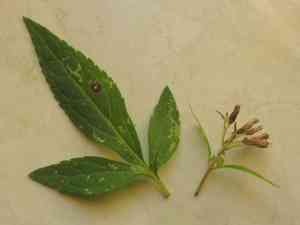
To preserve the vitality and form of false boneset, perform trimming in spring following the final frost or during the summer season. Remove faded blossoms to stimulate further flowering and shorten any excessively long stems to a robust bud to foster dense development. Refrain from extensive cutting; instead, judiciously remove older branches to enhance air movement. Trimming not only strengthens the plant's vigor but also improves its aesthetic and manages its dimensions.
What Are the Benefits of Pruning False Boneset?
What Are the Benefits of Pruning False Boneset?
Trimming false boneset is essential for fostering robust development and preserving its intended form. Strategic cuts can stimulate new, strong shoots and ensure the plant remains visually appealing and well-proportioned within garden settings.
What Is the Best Time for Pruning False Boneset?
What Is the Best Time for Pruning False Boneset?
Pruning in late Spring coincides with false boneset's post-dormancy renewal phase, encouraging vigorous new growth before the peak growing season. Early Summer pruning is ideal as it occurs after the initial spring growth spurt but before false boneset enters the slower growth period of late summer and fall. This timing helps maintain shape, promote bushier growth, and remove spent blooms, which can enhance the plant's overall vitality and look. It also avoids the stress of cutting during the flowering season and the vulnerable overwintering period.
What Tools Do I Need to Prune False Boneset?
Bypass Pruners
Perfect for making clean cuts on the smaller stems of false boneset, which aids in preventing disease and encourages healthy regrowth.
Pruning Shears
Suitable for trimming and shaping the herbaceous stems of false boneset, as these are typically not too thick and can be easily cut with such shears.
Gloves
Essential for safeguarding the gardener's hands from scratches and potential irritants while pruning false boneset.
Pruning Saw
Helpful for cutting through any older or woodier stems that false boneset might possess, though this tool may be less frequently required for this specific species.
How to Prune False Boneset
Disinfect tools
Before beginning the pruning process, ensure all pruning tools are disinfected to prevent the spread of diseases to false boneset. Use alcohol or a bleach solution to sterilize the blades of your pruning shears or scissors.
Remove diseased leaves
Carefully inspect false boneset for any diseased leaves. Using your sterilized pruning tools, cleanly cut away any leaves that show signs of disease, cutting at the base of the leaf stem to ensure complete removal.
Trim withered leaves
After removing diseased leaves, identify and prune any withered or dead leaves on false boneset. Snip these leaves at their base, as close to the main stem as possible, without harming healthy parts of the plant.
Prune diseased stems
Locate any stems on false boneset that exhibit signs of disease. Prune the diseased stems back to a healthy section, ensuring your cut is just above a leaf node or a branching point to promote regrowth.
Cleanup
After pruning, gather and dispose of all the diseased and withered plant material removed from false boneset. Clean your tools again and ensure no plant debris is left in the area to maintain a healthy growing environment.
Common Pruning Mistakes with False Boneset
Over-pruning
Removing too much foliage from false boneset can stress the plant, leading to weakened growth and fewer blooms. It is crucial to prune no more than one-third of the overall plant at a time.
Inappropriate cuts
Making cuts that are too angled or too close to the main stem can damage false boneset's tissue and impede the healing process. Cuts should be made just above a leaf node or bud.
Using dull tools
Utilizing dull pruning shears can create jagged cuts that increase the risk of disease and pest infestation. Sharp, clean tools ensure clean cuts that heal more quickly.
Ignoring plant health
Pruning without assessing the health of false boneset might result in cutting away healthy growth instead of focusing on dead, diseased, or damaged stems, which should be the target of pruning efforts.
Common Pruning Tips for False Boneset
Selective thinning
Thinning out crowded areas by selectively removing some stems at their base promotes better air circulation and reduces the risk of fungal diseases in false boneset.
Encouraging new growth
Pruning spent flower heads and small, weaker stems can encourage false boneset to produce new, vigorous growth and more abundant flowering.
Maintaining plant shape
Lightly trimming false boneset to maintain a desired shape and size helps to create an attractive overall plant appearance without compromising its natural growth habit.
Protecting the plant's base
When cutting back stems, it's essential to leave several inches of growth above the ground to protect the base of false boneset and ensure it can regrow successfully.



