How to Transplant Flyr's brickellbush?
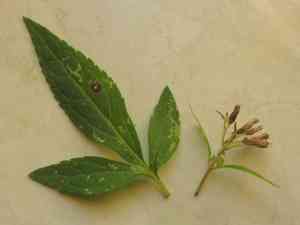
Relocating flyr's brickellbush is most effective in the initial to middle stages of spring, as the plant awakens from its dormant period. Confirm the site offers ample sunlight and good drainage. To achieve the best outcome, select an area that provides a degree of shelter from strong gusts.
What Preparations are Needed Before Transplanting Flyr's Brickellbush?
What is the Ideal Time for Transplanting Flyr's Brickellbush?
The most suitable period for relocating flyr's brickellbush, a perennial plant, is during early to mid-spring. This timing enables the plant to acclimate to its new environment prior to the rigors of summer heat. Transplanting at this point promotes root development, encourages robust growth, and increases survival rates as the plant enters its active growing phase.
How Much Space Should You Leave Between Flyr's Brickellbush Plants?
Before relocating flyr's brickellbush, mark the ground to position each plant 18-24 inches (45-60 cm) apart. This guarantees they have ample room to expand and flourish without crowding each other.
What is the Best Soil Mix for Flyr's Brickellbush Transplanting?
Prepare the soil by ensuring it drains well and is rich in organic material. Incorporating compost or a balanced base fertilizer will give flyr's brickellbush an excellent start. Aim for a pH between 6.0 and 7.0.
Where Should You Relocate Your Flyr's Brickellbush?
Select a location with full sunlight for at least 6 hours daily. Flyr's brickellbush thrives in bright, sunny spots.
What Equipments Should You Prepare Before Transplantation Flyr's Brickellbush?
Gardening Gloves
To safeguard your hands while handling soil and plants.
Hand Trowel
For excavating small holes and working with the earth.
Shovel or Spade
To dig larger holes and trenches around the plant.
Watering Can or Hose
For hydrating the plant before and after relocation.
Pruners
To trim any damaged roots or stems during the process.
Bucket
To move the plant and any soil from one spot to another.
Mulch
To aid in moisture retention after transplanting.
How Do You Remove Flyr's Brickellbush from the Soil?
How Do You Remove Flyr's Brickellbush from the Soil?
From Ground: First, water the flyr's brickellbush plant to moisten the soil. Then, dig a wide trench around the plant using a shovel or spade, ensuring the plant's root ball remains intact. Carefully work the spade under the root ball to lift the plant from its original location.From Pot: Water the flyr's brickellbush plant thoroughly to loosen the soil. Gently tap the sides of the pot to release the plant. Hold the plant at its base and gently pull it out, supporting the root ball to prevent damage.From Seedling Tray: Water the seedlings to moisten the soil. Use a hand trowel or your fingers to gently lift each seedling from the tray, being careful to keep the root system intact.
Step-by-Step Guide for Transplanting Flyr's Brickellbush
Preparation
Choose the new site for the flyr's brickellbush plant. Ensure it is free of weeds and offers suitable conditions for the plant to flourish.
Digging the Hole
Excavate a hole in the new location that is twice as wide and the same depth as the root ball of the flyr's brickellbush plant.
Planting the flyr's brickellbush
Position the flyr's brickellbush plant in the hole, making sure the top of the root ball is level with the ground. Backfill the hole with soil, pressing gently around the roots to eliminate air pockets.
Watering In
Water the plant thoroughly immediately after transplanting to help settle the soil around the roots.
Mulching
Apply a layer of mulch around the base of the plant to retain moisture and regulate soil temperature.
How Do You Care For Flyr's Brickellbush After Transplanting?
Watering
Keep the soil around the flyr's brickellbush consistently moist, but not waterlogged, for the initial few weeks after transplanting to aid in establishing strong roots.
Pruning
Remove any damaged or dead stems and leaves to encourage new growth.
Monitoring
Observe the plant for signs of stress, such as wilting or yellowing leaves, and adjust care as necessary.
Protection
Provide shelter from extreme weather conditions like strong winds or excessive sun, if needed, to help the plant adapt to its new location.
Troubleshooting Common Issues with Flyr's Brickellbush Transplantation.
When's the best time to transplant flyr's brickellbush?
The optimal time to transplant flyr's brickellbush is early to mid-spring, ensuring healthy growth.
How much space should I provide when transplanting flyr's brickellbush?
Ideally, space flyr's brickellbush 18-24 inches (45-60 cm) apart to allow proper growth.
What type of soil does flyr's brickellbush prefer?
Flyr's brickellbush thrives in well-drained, loamy soil with good organic content.
How should I water flyr's brickellbush after transplanting?
Water flyr's brickellbush thoroughly immediately after transplanting, then keep soil consistently moist but not waterlogged.
How deep should I plant flyr's brickellbush?
Plant flyr's brickellbush at the same depth it was growing in its original location.
How can I prevent transplant shock for flyr's brickellbush?
Avoid disturbing the roots and water immediately to help flyr's brickellbush adjust to its new spot.
What should I do if flyr's brickellbush wilts after transplanting?
Ensure consistent watering and partial shade; wilting can be a sign of transplant shock.
Do I need to fertilize flyr's brickellbush after transplanting?
Use a balanced fertilizer lightly after a few weeks once flyr's brickellbush shows new growth.
Can I transplant flyr's brickellbush in the fall?
Spring is best for transplanting flyr's brickellbush, ensuring optimal growth and reduced transplant shock.
How much sunlight does flyr's brickellbush need after transplanting?
Flyr's brickellbush prefers full sun to partial shade; ensure it gets about 6 hours of sunlight daily.



