How to Propagate Flyr's brickellbush?
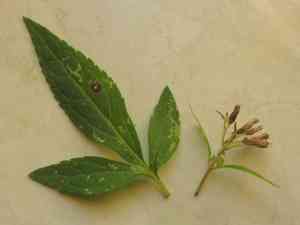
Flyr's brickellbush, a species within the Asteraceae family, is a perennial herbaceous plant recognized for its fragrant foliage and compact flower groupings. For reproduction, employing cuttings is recommended. Obtain semi-hardwood cuttings, verifying their health and absence of disease. Insert them into adequately draining soil under conditions ranging from partial to full sun exposure. Consistent irrigation, avoiding saturation, aids in root formation. Observe root progression carefully to ensure successful establishment.
Optimal Period for Propagating Flyr's Brickellbush?
Propagation Method
Cutting
Propagation Period
Spring,Summer
Tools Required for Flyr's Brickellbush Propagation?
Sterile, Sharp Pruners
Crucial for obtaining precise cuttings from flyr's brickellbush. Sterilize pruners to prevent disease spread. Sharp blades ensure clean cuts, promoting faster healing and less plant stress.
Rooting Compound
Aids in stimulating root development in flyr's brickellbush cuttings. Dip the severed end of the cutting into the compound before planting to enhance successful root formation.
Propagation Containers
Offer a controlled setting for rooting flyr's brickellbush cuttings. Utilize trays with drainage holes to prevent water accumulation, which can lead to root decay.
Moisture-Retentive Growing Medium
A sterile, free-draining mixture, such as peat and perlite, fosters root growth while deterring fungal issues. Avoid heavy, dense soils that retain too much moisture.
Humidity Cover
Maintains high humidity around flyr's brickellbush cuttings, minimizing water loss from leaves. This is vital for keeping cuttings hydrated until roots develop.
Misting Bottle
Used to spray cuttings and maintain ideal moisture levels in the growing medium and air surrounding flyr's brickellbush. Regular misting helps keep cuttings hydrated and encourages root growth.
Heating Mat
Provides warmth from below, which can speed up root development in flyr's brickellbush by maintaining a consistent soil temperature. This aids in quicker and more uniform rooting of cuttings.
Identification Tags
Important for tracking different cuttings and their planting dates. Accurate labeling helps in monitoring the progress and success rate of flyr's brickellbush cuttings.
How to Propagate Flyr's Brickellbush?
Propagation Difficulty
Easy
Caring for Your Newly Propagated Flyr's Brickellbush?
Caring for Your Newly Propagated Flyr's Brickellbush?
To care for flyr's brickellbush after propagation, transfer rooted cuttings into the garden or larger pots with well-draining soil. Water plants thoroughly, but allow soil to dry between waterings. Ensure they receive partial to full sunlight and protect from harsh weather. Regularly check for pests and diseases, and prune as needed to maintain a healthy form.
Common Errors to Avoid When Propagating Flyr's Brickellbush
Excessive Watering
Too much water can cause root rot, which can severely harm or kill flyr's brickellbush.
Insufficient Illumination
Not providing enough light can impede photosynthesis, leading to weak growth and poor propagation success.
Using Substandard Soil
Employing soil that lacks proper drainage can result in waterlogging, negatively impacting root health.
Improper Cutting Technique
Incorrectly taking cuttings can damage the plant and reduce the likelihood of successful rooting.
Neglecting Pest Management
Ignoring pests can lead to infestations that weaken the plant, affecting its ability to propagate.
Advice for Propagating Flyr's Brickellbush
Well-Draining Substrate
Utilize well-draining soil to ensure excess water is not retained, preventing root rot.
Provide Ample Light
Ensure flyr's brickellbush receives sufficient sunlight to promote healthy growth and successful propagation.
Correct Cutting Method
Use a sharp, clean tool to take cuttings just below a node to encourage better rooting.
Monitor Moisture Levels
Water the plant adequately but avoid overwatering by checking soil moisture regularly.
Pest Control
Regularly inspect and manage pests to maintain plant health and improve propagation success.



