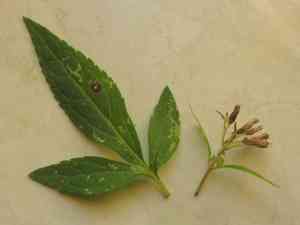
Flyr's brickellbush (Brickellia cordifolia)
Also known as: Heartleaf brickellbush, Heartleaf brickellia
Brickellia cordifolia is a perennial herbaceous plant that can reach heights of up to 1.5 meters. It features numerous small flower heads with pale yellow-green disc florets, notably lacking ray florets. This plant is commonly found in low-elevation pine and oak woodlands.
In This Article
Attributes of Flyr's brickellbush
Lifespan
Perennial
Plant Type
Herb, Shrub
Plant Height
2-3 feet
Spread
1-2 feet
Leaf Color
Green
Flower Size
0.2-0.4 inches
Flower Color
White, Pink
Images of Flyr's brickellbush
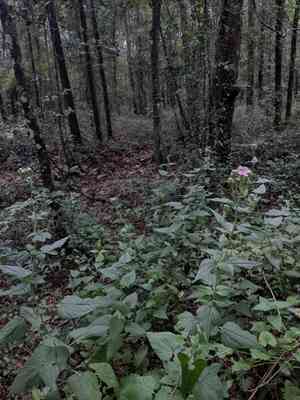
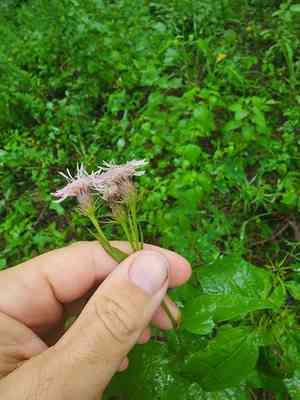
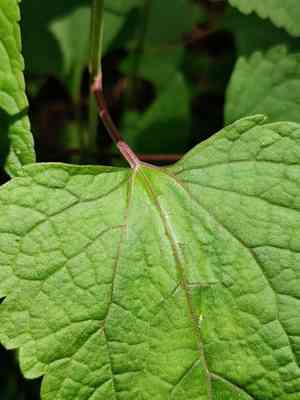
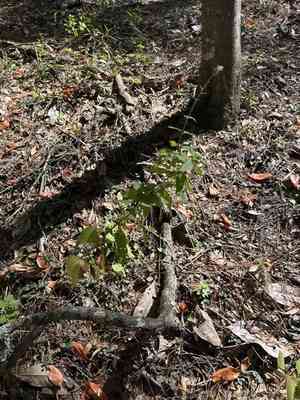
Quickly Identify Flyr's brickellbush
1
To identify Brickellia cordifolia, look for its distinctive heart-shaped leaves which are rough to the touch. The plant typically grows in clumps and reaches a height of 2-3 feet. During the flowering season, it produces small, tubular flowers that are arranged loosely in clusters.
Scientific Classification of Flyr's brickellbush
Phylum
Vascular plants
Class
Dicotyledons
Order
Asterales
Family
Daisy
Genus
Brickellbushes
Species
Flyr's brickellbush
Planting and Growing of Flyr's brickellbush
Care Difficulty
Moderate
Watering Schedule
Every 3 days
Sunlight Requirements
Full sun
Sunshine Duration
4-8 hours
Ideal Temperature
65-75℉
Soil Type
Potting Mix, Peat Mix
Soil pH
6.5-7.5
Fertilizer Type
Balanced
Pruning Season
Spring, Summer
Pruning Area
Branches, Leaves
Pruning Frequency
2 times a year
Repotting Season
Spring
Pot Type
Plastic, Ceramic
 How to Water Flyr's brickellbush?
For Brickellia cordifolia, each watering session should ensure the soil becomes adequately moist without waterlogging the roots. A total of 250 milliliters per watering is usually sufficient to reach the roots and support healthy growth. It's crucial to allow the soil to dry out between waterings to prevent root rot.
What are the symptoms of an underwatered Flyr's brickellbush?
›
What should I do if my Flyr's brickellbush is not getting enough water?
›
What are the symptoms of an overwatered Flyr's brickellbush?
›
How to save an overwatered Flyr's brickellbush?
›
 What Are the Sunlight Requirements for Flyr's brickellbush?
Brickellia cordifolia ideally prefers full sun to partial sun. Providing this range supports its health by facilitating optimal photosynthesis and nutrient absorption, leading to vibrant flowers and sturdy stems.
What is the ideal light condition for Brickellia cordifolia?
›
How can you achieve ideal light conditions for Brickellia cordifolia?
›
What are the benefits of ideal light for Brickellia cordifolia?
›
 What Is the Ideal Temperature Range for Flyr's brickellbush?
The ideal temperature range for Brickellia cordifolia is between 65°F and 75°F, as it supports optimal photosynthesis and growth. This temperature range also minimizes stress on the plant, allowing it to thrive and maintain vibrant blooms.
 What Soil is Best for Flyr's brickellbush?
Brickellia cordifolia thrives in soil enriched with organic matter. Adding compost not only boosts nutrient levels but also improves soil texture. This ensures robust growth and vibrant foliage. This plant demands excellent drainage. Sandy loam offers both porosity for air flow and the capacity to hold adequate moisture, preventing root rot and encouraging strong root systems. Ensure steady, moderate moisture levels. Consistent watering practices matched with good drainage prevent water stress and keep the plant flourishing.
 How to Fertilize Flyr's brickellbush?
For Brickellia cordifolia, use a balanced fertilizer with a ratio of 10-10-10. For liquid fertilizers, mix approximately 1 teaspoon of fertilizer per gallon of water. For slow-release fertilizers, apply about 1 to 1.5 pounds per 100 square feet. This ensures optimal nutrient availability without overwhelming the plant's root system.
 How to Prune Flyr's brickellbush?
For young Brickellia cordifolia plants, focus on removing any dead or damaged stems to encourage robust growth. Trim back new shoots if you want to promote bushier growth, cutting just above leaf nodes. For mature plants, pruning is essential to maintain a desirable shape and control size. Use sharp, sterilized shears to cut back overgrown stems and thin crowded areas to improve plant aesthetics and health. After pruning, ensure the plant is watered adequately and apply a balanced fertilizer to help it recover quickly. Monitor for any signs of stress and protect from harsh weather conditions immediately after trimming.
 How to Propagate Flyr's brickellbush plant?
1
Collect mature seeds from Brickellia cordifolia flowers. Let them dry and store them in a cool place until ready for planting in early spring.
2
Select healthy, disease-free stems and cut them into 4-6 inch segments. Remove lower leaves and dip the cut end in rooting hormone to encourage root development.
3
Divide the plant carefully to maintain equal root distribution. Use a spade or knife to separate roots without causing damage, and replant divisions immediately.
 How to Repot Flyr's brickellbush plant?
1
Brickellia cordifolia should be repotted when you notice it becoming root-bound, meaning roots are growing out of the pot's drainage holes or circling the pot's perimeter. This typically happens every couple of years. Early spring or summer, when the plant is beginning its active growth phase, is ideal for repotting because it allows the plant to recover and establish itself in the new environment.
2
When selecting a pot for Brickellia cordifolia, choose one that is only slightly larger than the current pot—about 1-2 inches wider in diameter. Ensure it has good drainage holes to prevent waterlogging, which can lead to root rot. A pot that's too large can retain excessive moisture, which is detrimental.
3
Opt for a light, well-draining soil mix, such as a cactus soil mix or a mixture of potting soil with added sand or perlite. This type of soil ensures proper drainage and avoids the roots sitting in water, which can enhance root growth and prevent common issues like root rot.
Learn More About Flyr's brickellbush Diseases
Anthracnose
Bacterial Leaf Spot
Bacterial Soft Rot
Bacterial Wilt
Black Spot
Chemical Injury
Crown Gall
Cyst Nematode
Damping-off
Downy Mildew
Drought Stress
Fusarium Wilt
Gray Mold
Leaf Curl
Leaf Spot
Mosaic
Nutrient Deficiency
Nutrient Toxicity
Powdery Mildew
Root Rot
Root-knot Nematode
Rusts
Sooty Mold
Spider Mites
Temperature Stress
Thrips Damage
White Mold



