How to Transplant Chinese bretschneidera?
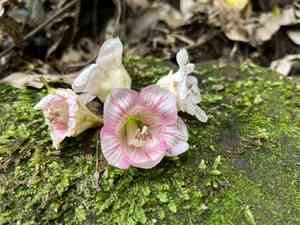
The most suitable period for transplanting chinese bretschneidera spans from the onset of early spring to the peak of late spring, fostering vigorous development. Select a location that receives abundant light and possesses soil with good drainage. Exercising extreme care is crucial to safeguard the fragile root structure.
Essential Preparations Before Relocating Chinese Bretschneidera
Optimal Period for Moving Chinese Bretschneidera?
The prime time for transplanting chinese bretschneidera spans from the onset of early spring through late spring. During this interval, the ground begins to warm, promoting strong root development and minimizing transplant shock. Relocating chinese bretschneidera in this season leverages its natural growth cycle, boosting its chances of flourishing. This timing also allows chinese bretschneidera to settle in prior to summer's heat, ensuring a smooth transition and vigorous growth. Undertaking the transplanting process during this season aligns with the plant's readiness to grow, making it a harmonious gardening practice.
Recommended Spacing Between Chinese Bretschneidera Plants?
When planning to transplant chinese bretschneidera, a good starting point is to position them with 15-20 feet (4.5-6 meters) between each. This provides ample space for your plants to thrive without becoming overcrowded.
Ideal Soil Mixture for Chinese Bretschneidera Relocation?
Prepare your soil for chinese bretschneidera by aiming for a well-draining, humus-rich type. Before transplanting, enrich the soil with a balanced, slow-release fertilizer to support healthy development.
Selecting the New Location for Your Chinese Bretschneidera?
Choose a site where chinese bretschneidera will receive partial sunlight. A location offering morning sun and afternoon shade is perfect to shield it from intense midday heat, especially in warmer climates.
Tools Required Before Transplanting Chinese Bretschneidera?
Gardening Gloves
To safeguard your hands while handling soil and the plant.
Shovel or Spade
For digging and lifting the root ball.
Watering Can or Hose
To provide water to the plant before and after relocation.
Wheelbarrow
For moving the plant and soil if necessary.
Pruning Shears
To trim any damaged roots or foliage.
Mulch
To help maintain soil moisture and regulate temperature around chinese bretschneidera's new spot.
Measuring Tape
To assist in correctly spacing out the planting location.
Stakes or Supports
To stabilize chinese bretschneidera after transplant, if needed.
How to Extract Chinese Bretschneidera from the Ground?
How to Extract Chinese Bretschneidera from the Ground?
From Ground: Hydrate the chinese bretschneidera plant to moisten the soil, which helps minimize root damage. Dig carefully around the plant, creating a wide perimeter to ensure the root system remains intact. Gently pry under the root ball with the spade, and carefully lift out the plant.From Pot: Water the chinese bretschneidera sufficiently to facilitate removal. Tilt the pot and gently tap its edges to loosen the plant. Grasping the base of the plant, ease it out. If roots have encircled the pot, gently separate them with your fingers.From Seedling Tray: Dampen the soil before removal to prevent root disturbance. Use a tool like a fork or spoon to lift the seedling along with the surrounding soil to avoid direct contact with delicate roots.
Detailed Guide for Relocating Chinese Bretschneidera
Preparation
Water the chinese bretschneidera in its current spot to lessen transplant shock.
Excavating the New Hole
Dig the new hole twice as wide and of similar depth to the root ball to ensure ample room for root expansion.
Plant Examination
Inspect for damaged roots or branches and prune if necessary, using pruning shears.
Positioning
Place chinese bretschneidera in the center of the new hole, spreading the roots outwards and adjusting its position so it stands upright and at the same depth it was originally growing.
Backfilling
Begin filling the hole with soil, gently packing around the roots to eliminate air pockets.
Watering
Water thoroughly after planting to help settle the soil and hydrate the roots.
Applying Mulch
Spread a layer of mulch around the base to help retain moisture and regulate temperature, but keep it away from the stem to prevent rot.
Stabilizing
If chinese bretschneidera is tall or unstable, use stakes or supports to secure it in place.
Post-Transplant Care for Chinese Bretschneidera
Monitoring
Observe the chinese bretschneidera for signs of stress such as wilting or yellowing and address by adjusting care as needed.
Watering
Keep the soil around chinese bretschneidera consistently moist, especially during the initial weeks, to encourage new root growth.
Pruning
Remove any dead or damaged foliage to help chinese bretschneidera conserve energy.
Feeding
Hold off on fertilizer until chinese bretschneidera is established in its new location, as early fertilization can harm sensitive roots.
Supporting
Adjust and ensure stabilization materials like stakes are used effectively and do not harm the plant.
Resolving Common Issues with Chinese Bretschneidera Transplantation.
Why is my chinese bretschneidera wilting after transplanting?
Wilting after transplant may be due to shock. Ensure roots are well-hydrated and not overly disturbed during the process. A bit of tender loving care often helps it recover.
What's the best season to transplant chinese bretschneidera?
Choose the period from early to late spring, ideally when frost is gone but summer's heat has not yet arrived.
How much space should I leave between multiple chinese bretschneideras?
Allow them room to grow by spacing them 15-20 feet (4.6-6 meters) apart. This ensures good air circulation and sunlight exposure.
My chinese bretschneidera looks droopy after transplanting, what should I do?
Ensure it was planted at the same soil depth as before and avoid over-compacting the soil. Keep the soil moist but not waterlogged.
Should I prune chinese bretschneidera before transplanting?
Light pruning can help reduce stress on chinese bretschneidera. Remove any dead or damaged branches to focus the plant's energy on root establishment.
What soil conditions are best when transplanting chinese bretschneidera?
Well-draining soil rich in organic matter is ideal. Ensure the pH is slightly acidic to neutral for optimal growth.
How do I prepare the new site for transplanting chinese bretschneidera?
Dig a hole twice the diameter of the root ball and as deep as the root ball height. Mix in some compost for a nutrient boost.
What care should be taken in the days following chinese bretschneidera's transplant?
Keep the soil consistently moist, add mulch to retain moisture, and avoid fertilizing until chinese bretschneidera shows signs of new growth.
How much should I water chinese bretschneidera after transplanting?
Provide deep watering immediately after transplanting and then regularly, adjusting based on weather, ensuring the soil stays moist but not soggy.
What should I do if chinese bretschneidera's leaves turn yellow post-transplant?
Yellow leaves could indicate over/under watering or nutrient deficiency. Check water levels and consider soil testing to adjust care accordingly.



