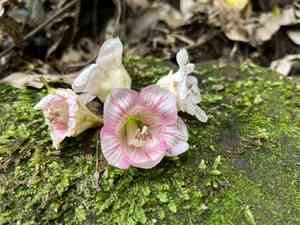
Chinese bretschneidera (Bretschneidera sinensis)
Also known as: Bretschneidera, Chinese tulip tree
The Chinese Bretschneidera (Bretschneidera sinensis) is a beautiful tree known for its striking flowers that bloom in early spring. Unfortunately, it is an endangered species due to significant habitat loss. While its seeds are not widely available, some specialized nurseries might offer them. Always ensure that any seeds obtained are sourced responsibly and in accordance with conservation guidelines.
In This Article
Attributes of Chinese bretschneidera
Lifespan
Perennial
Plant Type
Tree
Plant Height
10 m to 20 m
Spread
4 cm
Leaf Color
Green Blue
Flower Size
4 cm
Flower Color
White Pink Purple Red
Images of Chinese bretschneidera
Quickly Identify Chinese bretschneidera
1
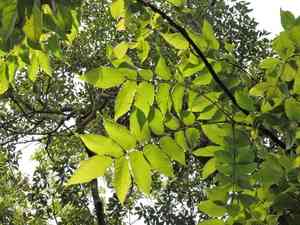
The tree is identified by its large pinnate leaves with 11-29 leaflets, showy pinkish-red flowers in clusters, and a distinctive winged fruit capsule. The bark is smooth and grayish.
Scientific Classification of Chinese bretschneidera
Phylum
Vascular plants
Class
Dicotyledons
Order
Mustards, capers, and allies
Family
Bretschneideraceae
Genus
Bretschneidera
Species
Chinese bretschneidera
Planting and Growing of Chinese bretschneidera
Care Difficulty
Hard
Watering Schedule
Every 2 days
Sunlight Requirements
Partial sun
Sunshine Duration
4-8 hours
Ideal Temperature
60-77℉
Soil Type
Potting Mix, Peat Mix
Soil pH
6.5-7.5
Fertilizer Type
Balanced
Pruning Season
Spring, Summer
Pruning Area
Branches, Leaves
Pruning Frequency
2 times a year
Repotting Season
Spring
Pot Type
Plastic, Terracotta
 How to Water Chinese bretschneidera?
For Bretschneidera sinensis, it's crucial to ensure the soil is moist but not waterlogged. The plant should receive around 500 milliliters of water per session. This amount keeps the soil evenly moist, simulating the plant's natural subtropical mountainous environment, without causing roots to rot.
What are the symptoms of an underwatered Chinese bretschneidera?
›
What should I do if my Chinese bretschneidera is not getting enough water?
›
What are the symptoms of an overwatered Chinese bretschneidera?
›
How to save an overwatered Chinese bretschneidera?
›
 What Are the Sunlight Requirements for Chinese bretschneidera?
Bretschneidera sinensis thrives best with partial sun to full shade environments. Adequate light ensures effective photosynthesis and encourages growth, resulting in lush foliage and bloom development.
What are the ideal lighting conditions for Bretschneidera sinensis?
›
How can you achieve the ideal lighting conditions for this plant?
›
What benefits can be achieved with ideal lighting?
›
 What Is the Ideal Temperature Range for Chinese bretschneidera?
The ideal temperature range for Bretschneidera sinensis is between 60°F and 77°F. This range provides optimal conditions for growth and ensures the plant's developmental processes occur smoothly. Maintaining a stable environment within these temperatures will promote healthy foliage and flowering.
 What Soil is Best for Chinese bretschneidera?
Bretschneidera sinensis thrives in well-draining soil which prevents waterlogging that can lead to root rot. Ensuring good drainage enhances root oxygenation and nutrient uptake, promoting robust growth. This plant benefits from nutrient-rich soil that supplies essential elements. Regularly incorporating organic matter like compost supports ongoing nourishment and contributes to a vigorous growth cycle. Maintaining moderate soil moisture is crucial for Bretschneidera sinensis. Consistent moisture supports steady growth and prevents the stress associated with drought conditions, aiding in the plant's overall resilience.
 How to Fertilize Chinese bretschneidera?
For Bretschneidera sinensis, it's crucial to maintain a balance in nutrient supply. Each time you fertilize, whether with liquid or slow-release fertilizer, use about 50 grams of product for every 10 square meters of soil area. This will ensure that the plant gets adequate nutrients without risking root burn or nutrient lockout.
 How to Prune Chinese bretschneidera?
Begin by carefully examining the overall shape of Bretschneidera sinensis. Trim branches that overgrow the desired silhouette of the tree. Use sharp shears to make clean cuts at a slight angle just above a bud to promote new growth in the direction you want. Ensure that you maintain balanced pruning by trimming evenly around the tree. Inspect the tree for any dead, diseased, or damaged branches. These should be removed promptly to prevent the spread of disease and to improve air circulation within the tree canopy. Cut back to healthy wood, ensuring to make precise cuts to avoid tearing the bark. To enhance flowering, identify the healthy shoots and trim back by a third. This encourages a vigorous bloom by redirecting the tree's energy towards budding shoots. Avoid heavy pruning of flower buds as it might reduce the flowering potential for the next season.
More About Pruning Techniques→
 How to Propagate Chinese bretschneidera plant?
1
Start by preparing a well-draining soil mix. Ensure the soil is rich in organic matter to provide the necessary nutrients for seed germination and cutting establishment.
2
Place the seeds on the soil surface and cover them lightly with a thin layer of soil. Keep the soil moist but not waterlogged to promote germination.
3
Select healthy and mature stems for cuttings. Make a clean cut just below a node, and remove the lower leaves to reduce water loss during rooting.
 How to Repot Chinese bretschneidera plant?
1
The ideal time to repot Bretschneidera sinensis is during early spring, just before the growing season begins. Look for signs such as the plant outgrowing its pot, roots appearing at the drainage holes, or soil that dries out very quickly. These are clear signals that your plant needs a roomier home to thrive.
2
Select a pot that's about 20% larger than the current one with adequate drainage holes. A breathable material like terracotta can be ideal as it helps prevent waterlog. This allows for better root aeration and moisture control, reducing the risk of root rot and promoting healthy growth.
3
Opt for a well-draining sandy loam soil that mimics its natural habitat. This type of soil will provide the necessary nutrients while ensuring proper drainage. It's crucial because it prevents water from sitting in the pot, reducing the chances of root rot and promoting optimal nutrient uptake.
Learn More About Chinese bretschneidera Diseases
Anthracnose
Bacterial Leaf Spot
Bacterial Soft Rot
Bacterial Wilt
Black Spot
Chemical Injury
Crown Gall
Cyst Nematode
Damping-off
Downy Mildew
Drought Stress
Fusarium Wilt
Gray Mold
Leaf Curl
Leaf Spot
Mosaic
Nutrient Deficiency
Nutrient Toxicity
Powdery Mildew
Root Rot
Root-knot Nematode
Rusts
Sooty Mold
Spider Mites
Temperature Stress
Thrips Damage
White Mold



