How to Prune Chinese bretschneidera?
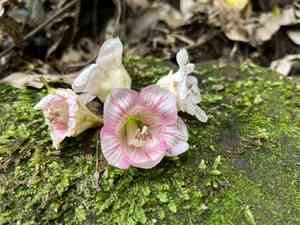
This uncommon deciduous tree, featuring clustered pink blossoms, necessitates meticulous trimming to preserve its form and vitality. Appropriate pruning for chinese bretschneidera entails reducing congested limbs and eliminating any lifeless or ailing wood. The optimal period for this task is from late winter to early spring, prior to the emergence of fresh foliage. Prompt pruning facilitates improved air movement and light exposure, potentially boosting bloom production. Refrain from extensive cutting to avert undue strain on chinese bretschneidera, as it flourishes with judicious, restrained cuts.
What Are the Benefits of Pruning Chinese Bretschneidera?
What Are the Benefits of Pruning Chinese Bretschneidera?
Trimming chinese bretschneidera encourages vigorous development and maintains its shape, ensuring a tidy appearance. Consistent cutting can lead to a healthier and more visually appealing plant.
What Is the Best Time for Pruning Chinese Bretschneidera?
What Is the Best Time for Pruning Chinese Bretschneidera?
The optimal time for pruning chinese bretschneidera is in late winter or early spring, as the plant remains dormant and has not yet initiated its active growth phase. This timing allows for the removal of any dead or damaged branches before the new growth season begins, ensuring the plant's energy is directed towards producing new, healthy growth. Additionally, pruning prior to the spring growth spurt minimizes stress on chinese bretschneidera and reduces the risk of disease transmission through fresh pruning wounds. Trimming during this period also helps maintain the plant's desired shape and promotes abundant flowering and fruiting, as chinese bretschneidera typically blooms on new wood that develops in the current season.
What Tools Do I Need to Prune Chinese Bretschneidera?
Hand Pruners
Perfect for making clean cuts on branches up to 3/4 inch thick. Chinese bretschneidera's smaller branches can be easily trimmed with these shears, promoting healthy growth and removal of any dead or diseased wood.
Lopping Shears
Useful for cutting through branches that are up to about 1 1/2 inches in diameter. For chinese bretschneidera, whose branches may get relatively thick, these shears provide the leverage necessary for those slightly larger cuts.
Pruning Saw
Essential for cutting branches over 1 1/2 inches thick. Chinese bretschneidera may develop larger limbs that require removal for shape or health, and a pruning saw makes it possible to do so cleanly without damaging the plant.
Pole Pruner
A pole pruner is recommended for trimming branches that are out of reach. Chinese bretschneidera can grow to be a sizeable tree, and a pole pruner will allow for pruning of higher branches without the need for a ladder.
How to Prune Chinese Bretschneidera
Clean tools
Before beginning, ensure pruning tools are clean and sharp to prevent the spread of disease and make precise cuts on chinese bretschneidera.
Inspect
Inspect chinese bretschneidera thoroughly to identify dead or diseased branches that need removal.
Remove dead branches
Carefully cut away dead branches at their point of origin or back to a main limb, making sure not to damage the collar or healthy tissue.
Remove diseased branches
Remove any diseased branches by cutting at least several inches into healthy wood to ensure complete removal of infected material.
Disinfect
After each cut of diseased branches, disinfect the pruning tools to prevent contaminating healthy parts of chinese bretschneidera.
Common Pruning Mistakes with Chinese Bretschneidera
Over-pruning
Novice gardeners often make the mistake of removing too much foliage, which can stress chinese bretschneidera and hinder its growth and flowering. Itâs important to prune conservatively and never remove more than a third of the plantâs branches.
Improper cutting technique
Both novices and experienced gardeners can sometimes use incorrect cutting angles or tools, leading to jagged cuts that can make chinese bretschneidera susceptible to diseases and pests.
Ignoring diseased or damaged wood
Failing to remove all diseased or damaged wood can leave chinese bretschneidera vulnerable to further infection or decay, which might spread to healthy parts of the plant.
Neglecting tool hygiene
Not sterilizing pruning tools before use can introduce pathogens to chinese bretschneidera, potentially infecting the cuts and affecting the plant's health.
Incorrect disposal
A common oversight is leaving pruned material on the ground, which can become a breeding ground for pests and diseases that might affect chinese bretschneidera.
Common Pruning Tips for Chinese Bretschneidera
Sharp tools
Using sharp, clean pruning shears will make clean cuts that heal quickly, reducing the risk of disease and promoting healthy regrowth for chinese bretschneidera.
Prune for structure
For the best health of chinese bretschneidera, it's crucial to focus on creating strong, well-spaced branches that allow light and air to penetrate the canopy, which encourages robust growth and flowering.
Selective thinning
Remove only the most necessary branches to shape chinese bretschneidera, focusing on dead, overlapping, or poorly positioned branches that do not contribute to the desired form of the plant.
Protective cuts
When cutting, always prune just above a bud that faces the outside of the plant. This encourages outward growth and prevents stubs that can harm chinese bretschneidera.
Consistency
Regularly monitoring and light pruning of chinese bretschneidera will prevent the need for more severe cuts in the future and will keep the plant looking its best.
Healing time
Ensure enough time for chinese bretschneidera to heal after pruning by not pruning too late in the season, as this can leave the plant vulnerable during colder periods.



