How to Transplant Asian mustard?
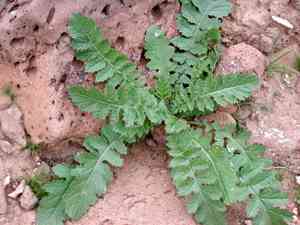
The ideal period for relocating asian mustard is during the mild transition from late spring to early summer. Select a location bathed in sunlight with soil that drains effectively to foster its development. When moving asian mustard, guarantee minimal disruption to its root system for optimal integration.
What Preparations are Needed Before Transplanting Asian Mustard?
What is the Ideal Time for Transplanting Asian Mustard?
Relocate asian mustard once the early spring chill subsides, ideally as late spring's warmth arrives. This period of vigorous growth offers asian mustard the best start. Moving asian mustard during this season ensures they benefit from extended daylight and stable temperatures, fostering robust root development and lush foliage. Seize this optimal transplanting window to see asian mustard flourish!
How Much Space Should You Leave Between Asian Mustard Plants?
When preparing to rehome your asian mustard, aim for a spacing of approximately 12-18 inches (30-46 cm) between plants. This provides ample individual room for each plant to thrive and expand its leaves in the sun.
What is the Best Soil Mix for Asian Mustard Transplanting?
For your asian mustard, consider preparing a bed with soil that drains well and is rich in organic matter. A good starting point involves incorporating compost and a balanced fertilizer to supply asian mustard with the necessary nutrients for vigorous growth.
Where Should You Relocate Your Asian Mustard?
Let's find a sunny location for your asian mustard, as they truly love sunlight! Selecting a spot that receives full sun â at least 6 hours of direct sunlight daily â will encourage your asian mustard to grow tall quickly.
What Equipments Should You Prepare Before Transplantation Asian Mustard?
Gardening Gloves
To shield your hands while handling soil and plants.
Shovel or Spade
For excavating the plant from its original spot, creating a trench around the rootball.
Garden Trowel
Used for digging smaller holes and refining the planting area.
Watering Can or Hose with a Gentle Spray Setting
To hydrate the asian mustard before and after its relocation.
Pruning Shears
For trimming any dead or excess growth prior to transplanting.
Wheelbarrow or Garden Cart
To transport the asian mustard along with any soil or compost.
Measuring Tape or Ruler
To ensure correct spacing between new planting sites.
How Do You Remove Asian Mustard from the Soil?
How Do You Remove Asian Mustard from the Soil?
From Ground: Start by watering the asian mustard to moisten the soil. Then, dig a wide trench around it using a shovel or spade, being careful not to harm the roots. Gently work the tool beneath the root ball to free the plant and carefully lift it out.From Pot: Water the soil in the pot to facilitate root ball removal. Tilt the pot sideways and tap the bottom to help the root ball slide out. Support the plant by holding the stem's base as it comes free.From Seedling Tray: Dampen the soil in the tray to help roots emerge intact. Use a garden trowel or your fingers to carefully lift the seedling from its cell, ensuring you handle the plant by its leaves, not its delicate stem.
Step-by-Step Guide for Transplanting Asian Mustard
Prepare the New Site
Ensure the new location for the asian mustard is free of weeds and debris. Amend the soil with compost if not already done.
Dig a Hole
Excavate a hole in the new spot that is as deep and twice as wide as the asian mustard's root ball.
Placement
Position the asian mustard into the hole, making sure the top of the root ball is level with the surrounding soil surface.
Fill the Hole
Carefully backfill the hole with soil, gently firming it around the root ball to eliminate air pockets.
Water Deeply
Thoroughly water the asian mustard after planting to settle the soil around the roots and provide essential hydration for recovery.
Complete the Transplant
If needed, apply a layer of mulch around the plant to help maintain soil moisture and temperature, keeping it away from the plantâs stem to prevent rot.
How Do You Care For Asian Mustard After Transplanting?
Initial Watering
Water the asian mustard generously immediately after transplanting to aid in rehydrating the plant and settling the soil.
Regular Monitoring
Inspect the asian mustard daily to track its recovery, looking for signs of transplant shock like wilting or discolored leaves.
Subsequent Watering
Provide consistent watering to maintain uniform soil moisture, considering rainfall and evaporation rates, without over-saturating.
Mulching
Maintain a layer of organic mulch to conserve moisture and suppress weeds, replenishing as needed and keeping it clear of the stem.
Support Structures
If the asian mustard appears to be struggling or is in a windy area, provide stakes or other supports to help it remain upright.
Pruning
Trim any dead or damaged foliage to direct the asian mustard's energy towards establishing its roots and new growth.
Troubleshooting Common Issues with Asian Mustard Transplantation.
What's the best time to transplant asian mustard?
The optimal transplanting period for asian mustard is from late spring to early summer for best growth.
How far apart should I space asian mustard plants?
Space asian mustard at least 12-18 inches (30-46 cm) apart to allow each plant sufficient room to flourish.
Why are my asian mustard seedlings wilting after transplant?
Wilting may be due to transplant shock. Ensure gentle root handling and consistent soil moisture.
Should I harden off asian mustard before transplanting?
Absolutely! Gradually accustom asian mustard to outdoor conditions over a week to minimize transplant shock.
Can I transplant asian mustard on a hot, sunny day?
Transplant asian mustard on an overcast day or in the evening to prevent immediate sun stress.
What kind of soil does asian mustard prefer for transplanting?
Asian mustard thrives best in well-draining, fertile soil with a neutral to slightly alkaline pH.
How deep should I plant asian mustard seedlings?
Plant asian mustard seedlings at the same depth they were growing in their original container.
What should I do if asian mustard transplant shows yellowing leaves?
Yellowing might indicate overwatering or poor drainage. Adjust watering practices and check soil conditions.
How do I protect asian mustard from pests during transplant?
Monitor for pests and use appropriate, plant-safe insecticides as a preventative measure.
Can asian mustard tolerate frost after transplanting?
Asian mustard is sensitive to frost. Protect them with row covers if unexpected frost is predicted.



