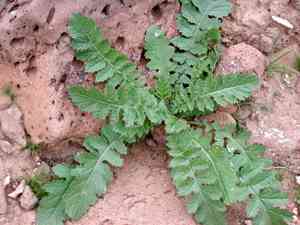
Asian mustard (Brassica tournefortii)
Also known as: Desert mustard, Moroccan Mustard, Sahara mustard, Turnip weed, Pale cabbage
**Common groundsel** (*Senecio vulgaris*) is an annual plant that can reach up to 76 cm in height. It develops a substantial basal rosette of leaves and produces yellow flowers from winter through summer. After flowering, its seeds, which are capable of surviving fire, are dispersed. This plant is often deemed a noxious weed and is typically found in disturbed areas and along roadsides.
In This Article
Attributes of Asian mustard
Lifespan
Annual
Plant Type
Herb
Plant Height
10 cm to 1 m
Spread
Not applicable as the plant does not form a tree-like crown.
Leaf Color
Green
Flower Size
1.5 mm to 2.5 mm
Flower Color
Yellow
Images of Asian mustard
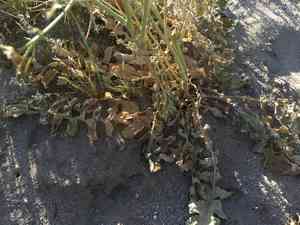
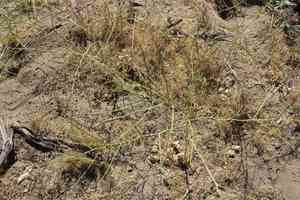
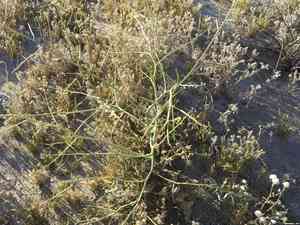
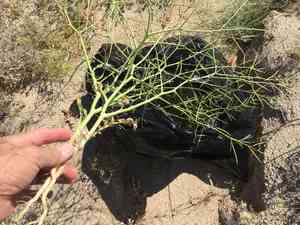
Quickly Identify Asian mustard
1
Identification of Brassica tournefortii involves looking for deeply lobed leaves with a rough texture, yellow flowers with four petals and six stamens, and siliques (seed pods) that are long and slender, often with a slight curve.
Scientific Classification of Asian mustard
Phylum
Vascular plants
Class
Dicotyledons
Order
Brassicales
Family
Cruciferae
Genus
Kales
Species
Asian mustard
Planting and Growing of Asian mustard
Care Difficulty
Easy
Watering Schedule
Every 3 days
Sunlight Requirements
Full sun
Sunshine Duration
4-8 hours
Ideal Temperature
63-77℉
Soil Type
Potting Mix, Peat Mix
Soil pH
6.5-7.5
Fertilizer Type
Balanced
Pruning Season
Spring, Summer
Pruning Area
Branches, Leaves
Pruning Frequency
2 times a year
Repotting Season
Spring
Pot Type
Plastic, Ceramic
 How to Water Asian mustard?
Brassica tournefortii, or Sahara mustard, appreciates moderate watering. The soil should be thoroughly moistened but not waterlogged. Aim for approximately 500 ml of water per session. The key is to ensure the ground is evenly wet while avoiding pooling water around the plant, which can lead to root rot.
What are the symptoms of an underwatered Asian mustard?
›
What should I do if my Asian mustard is not getting enough water?
›
What are the symptoms of an overwatered Asian mustard?
›
How to save an overwatered Asian mustard?
›
 What Are the Sunlight Requirements for Asian mustard?
Partial to full sun exposure is ideal for Brassica tournefortii. It promotes vigorous growth, healthy leaf development, and improves flowering potential, making the plant thrive.
More About Sunlight Requirements Techniques→
Why is ideal lighting important?
›
What solutions can ensure ideal lighting?
›
What are the benefits of ideal lighting?
›
 What Is the Ideal Temperature Range for Asian mustard?
Brassica tournefortii thrives best in temperatures ranging from 63°F to 77°F. This ideal range ensures optimal photosynthesis and growth, allowing the plant to flourish with vibrant foliage. Stable conditions within this range promote healthy development and reduce stress, resulting in a robust plant with greater resistance to pests and diseases.
 What Soil is Best for Asian mustard?
Brassica tournefortii thrives in soils that provide excellent drainage to prevent root rot and other waterlogging issues, ensuring robust plant health and growth. The plant benefits from soils rich in organic matter, which provides essential nutrients that boost foliage health and support vigorous flowering. Maintaining a moderate moisture level in the soil helps in promoting steady growth and protects Brassica tournefortii from the stress of drought conditions.
 How to Fertilize Asian mustard?
Brassica tournefortii benefits from a balanced nutrient supply. Use a liquid fertilizer diluted to half the recommended strength, applying approximately 500 ml per application. For slow-release fertilizers, use about 10 grams per plant. This balanced approach provides essential nutrients while minimizing the risk of over-fertilization.
 How to Prune Asian mustard?
Inspect the plant for dead or damaged branches, and cut these back to the main stem. This not only improves the plant's appearance but also redirects energy to healthier parts. Trim away cross-branching and any new shoots that disrupt the desired shape. This helps light penetrate the inner branches, crucial for overall plant vigor. Wear gloves to protect your hands from any sharp thorns or irritants. It's also advisable to disinfect your tools between cuts to prevent disease transmission.
More About Pruning Techniques→
 How to Propagate Asian mustard plant?
1
Fill the seed trays with the chosen potting mix, leaving a small gap at the top to allow room for watering. Ensure the trays are clean before filling to prevent any fungal issues or pest infestations from previous plantings.
2
Sow Brassica tournefortii seeds evenly across the surface of the potting mix. Lightly cover them with a thin layer of soil to protect them while still allowing light penetration necessary for germination.
3
Lightly water the seed trays after sowing to settle the seeds and the soil. Maintain consistent soil moisture by regular watering, but avoid overwatering to prevent seed rot. Place trays in a warm, bright location to promote germination.
 How to Repot Asian mustard plant?
1
Brassica tournefortii should be repotted when you notice roots poking out of drainage holes, or the soil seems to dry out more quickly than usual. Typically, these signs indicate the plant has outgrown its current pot and needs more space to thrive. Early spring or autumn is usually the best time, as these seasons allow it to establish well before harsher temperatures.
2
Select a pot that is slightly larger than the current one, usually 1-2 inches larger in diameter. This size allows adequate space for root expansion without waterlogging, promoting a healthy growth environment. Ensure the pot has drainage holes to prevent water stagnation, which is crucial for preventing root rot.
3
The ideal soil for Brassica tournefortii is a well-draining sandy mix. Such soil mimics its natural habitat and prevents water from accumulating at the roots, which can lead to rot. Sandy soil ensures good aeration, supporting robust root development and reducing the risk of fungal diseases.
Learn More About Asian mustard Diseases
Bacterial Leaf Spot
Bacterial Soft Rot
Clubroot
Cyst Nematode
Damping-off
Downy Mildew
Fusarium Wilt
Gray Mold
Leaf Spot
Mosaic
Powdery Mildew
Root Rot
Root-knot Nematode
Rusts
White Mold
Chemical Injury
Drought Stress
Nutrient Deficiency
Nutrient Toxicity
Temperature Stress
Spider Mites
Thrips Damage



