How to Prune Asian mustard?
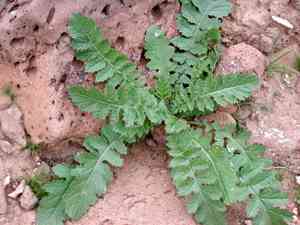
Asian mustard, a vigorous self-propagator with a potentially intrusive growth pattern, benefits from regular trimming to regulate its expansion and foster preferred development. Trim asian mustard during spring, summer, or autumn to manage its dimensions and eliminate any withered or blooming stalks, as these can lead to undesirable seed dispersal. Particular care should be taken to prevent seeds from spreading into nearby regions. Deliberate pruning not only controls its form but also enhances the well-being of asian mustard, diminishing the likelihood of illness.
What Are the Benefits of Pruning Asian Mustard?
What Are the Benefits of Pruning Asian Mustard?
Trimming asian mustard encourages robust new development while preserving its desired form and size, ensuring the plant stays vigorous and fruitful in gardens and agricultural settings.
What Is the Best Time for Pruning Asian Mustard?
What Is the Best Time for Pruning Asian Mustard?
Pruning or trimming asian mustard during Spring is ideal as this is when the plant begins its growth cycle, rejuvenating after the dormant winter period. This timing allows for the removal of dead or frost-damaged tissue before the onset of rapid growth and reduces the risk of disease. Summer pruning is beneficial for managing the size and shape of the plant, as asian mustard is actively growing during this season, allowing it to recover quickly from pruning stress. It also can help in preventing seed formation if performed before flowering, which is beneficial for controlling the spread of this invasive species. However, care should be taken to avoid pruning during extreme heat to minimize stress on the plant. Pruning in Fall is advantageous for the removal of spent blooms and seed pods, and to prepare asian mustard for the coming winter. It aids in reducing the shelter for overwintering pests and diseases. However, late fall pruning should be avoided to prevent new growth that could be damaged by early frost.
What Tools Do I Need to Prune Asian Mustard?
Hand Pruners
Perfect for making neat cuts on asian mustard's thinner stems, fostering healthier growth by enabling precise removal of dead or overgrown branches.
Garden Shears
Appropriate for quickly trimming back asian mustard's leafy foliage while shaping the plant. They allow gardeners to snip multiple small stems simultaneously.
Pruning Saws
Helpful for cutting through asian mustard's thicker, woodier stems that hand pruners cannot manage, ensuring swift and effective removal.
Loppers
Offer the necessary leverage to prune larger stems of asian mustard that are too thick for hand pruners, combining reach and power for efficient cutting.
How to Prune Asian Mustard
Clean tools
Before starting to prune, ensure all tools are clean and sharp to prevent disease transmission and to make clean cuts. Sanitize pruners or scissors with a solution of one part bleach to nine parts water.
Identify
Carefully inspect asian mustard to locate withered leaves that show signs of aging, such as yellowing or browning. These are the parts of asian mustard that will need trimming.
Cut
Using your pruners, snip the withered leaves at their base where they connect to the stem or main part of asian mustard. Make the cut clean and as close to the base as possible without harming the healthy sections of the plant.
Dispose
Remove the trimmed withered leaves from the area to prevent attracting pests or diseases. Dispose of them properly, ideally in a green waste bin or compost if they are disease-free.
Monitor
After pruning, observe asian mustard for signs of new growth or additional wilting. Repeat the pruning process as needed to maintain the health and appearance of asian mustard.
Common Pruning Mistakes with Asian Mustard
Overpruning
Removing too much foliage can stress asian mustard, leading to stunted development and increased susceptibility to pests and diseases.
Improper cut location
Making cuts too far from the buds on asian mustard can result in unsightly and potentially harmful stubs that may invite diseases.
Using dull tools
Dull pruning tools crush and damage asian mustard's stems, making them vulnerable to infections.
Neglecting to disinfect tools
Failing to disinfect tools between cuts can spread diseases from infected plants to healthy parts of asian mustard.
Pruning healthy growth
Indiscriminately cutting away healthy stems can decrease the vigor and productive capacity of asian mustard.
Common Pruning Tips for Asian Mustard
Selective pruning
Carefully choose which stems to prune, focusing on removing only dead or diseased material to maintain the health and shape of asian mustard.
Prune to outward facing buds
Make cuts just above outward-facing buds to encourage asian mustard's growth in a desirable direction, enhancing air circulation and light penetration.
Sterilize pruning tools
Before and between cuts, sterilize tools with rubbing alcohol or a bleach solution to prevent the spread of diseases to asian mustard.
Sharp pruning shears
Utilize sharp pruning shears to make clean, precise cuts on asian mustard that heal faster and reduce stress on the plant.
Timely removal of weeds
Regularly remove weeds around asian mustard to reduce competition for resources, which can be particularly beneficial after pruning when the plant is recuperating.



