How to Transplant Texas grama?
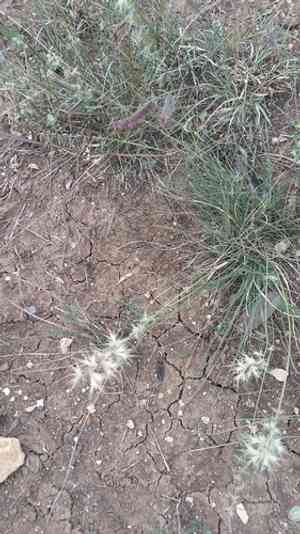
For the best chance of successful establishment, plan to relocate texas grama during its most active growth period—after the last frost but before the height of summer. Choose bright spots with soil that drains effectively. Should relocation be essential, extreme care is crucial to safeguard the root system.
What Preparations are Needed Before Transplanting Texas Grama?
What is the Ideal Time for Transplanting Texas Grama?
The best time to move texas grama is during the prime period of late spring to early summer. This timeframe offers the perfect balance of warming ground and longer daylight hours, crucial for texas grama's root development. Relocating texas grama at this point benefits from mild temperatures and consistent moisture, which are key to minimizing transplant shock. Successful root growth now ensures texas grama will be strong enough to endure the summer heat and the subsequent winter cold.
How Much Space Should You Leave Between Texas Grama Plants?
When establishing a new location for your texas grama, remember that each plant needs adequate personal space! Aim for a comfortable distance of approximately 15-18 inches (38-46 cm) between individual plants. This provides them with sufficient room to grow and flourish without feeling cramped.
What is the Best Soil Mix for Texas Grama Transplanting?
For your texas grama, the foundation is everything! Seek out a well-draining, loamy soil to serve as their ideal environment. Prior to planting, incorporate a balanced, slow-release fertilizer to give them a nourishing start. It's like a welcoming present for your new green companions!
Where Should You Relocate Your Texas Grama?
Your sun-loving texas grama thrives in bright conditions! Select a location where direct sunlight is abundant for at least 6-8 hours daily. A sunny spot not only provides your texas grama with warmth but also keeps them vibrant and healthy.
What Equipments Should You Prepare Before Transplantation Texas Grama?
Gardening Gloves
To safeguard your hands while handling soil and texas grama.
Shovel or Spade
To excavate the texas grama with its root ball from its current spot or to assist in moving it to a new location.
Watering Can or Hose
To hydrate the texas grama prior to removal and following transplantation.
Utility Knife or Pruning Shears
To trim any surplus or dead roots before replanting.
Wheelbarrow or Garden Cart
To transport the texas grama and soil without causing damage to the plant.
Garden Trowel
For minor adjustments to the planting hole and managing the plant if it originates from a smaller container.
Root Stimulator
To encourage new root development after transplanting (optional).
How Do You Remove Texas Grama from the Soil?
How Do You Remove Texas Grama from the Soil?
From Ground: First, thoroughly water the texas grama to moisten the soil and lessen transplant shock. Use a shovel or spade to dig a circle around the plant, several inches away from the base to avoid cutting into the root system. Gently pry and lift the root ball up and out of the ground.From Pot: Water the texas grama to reduce transplant shock. Turn the pot on its side, hold the plant at its base, and gently tap the bottom to loosen it. Carefully ease the root ball out of the pot, keeping as much soil around the roots as possible.From Seedling Tray: Water the seedlings to facilitate removal. Use a garden trowel or appropriate tool to gently lift the seedling from the tray, aiming to keep the root system intact with the surrounding soil.
Step-by-Step Guide for Transplanting Texas Grama
Prepare the Hole
Excavate a hole at the chosen site that is twice the width of texas grama's root ball and of equal depth to allow roots to spread naturally.
Root Ball Check
Inspect the texas grama's root ball, using a utility knife or pruning shears to remove damaged or circling roots and gently loosen the edges to promote outward growth.
Positioning
Place the texas grama in the center of the hole, ensuring it sits at the same depth it was previously growing. The transition should be smooth for the plant, preventing any additional stress.
Filling the Hole
Backfill the hole with the excavated soil, gently firming around the base to eliminate air pockets, which can dry out roots and impede growth.
Watering Thoroughly
Water the texas grama after planting to settle the soil around the root ball and provide essential hydration for the plant's recovery from transplanting.
How Do You Care For Texas Grama After Transplanting?
Immediate Watering
Water the texas grama generously right after transplanting and then maintain consistently moist soil without over-watering to prevent root rot.
Mulching
Apply a layer of mulch around the base of texas grama to retain soil moisture, regulate soil temperature, and reduce weed competition.
Pruning
Trim any dead or damaged foliage to direct the texas grama's energy towards healthy growth and root establishment.
Observation and Adjustment
Regularly check the texas grama for signs of stress and to determine if additional water or stabilization is needed in its new environment.
Troubleshooting Common Issues with Texas Grama Transplantation.
Why choose late spring for transplanting texas grama?
Moving texas grama in late spring allows roots to establish before summer heat, utilizing mild weather for growth.
How far apart should I space texas grama during transplanting?
Space texas grama approximately 15-18 inches (38-46 cm) apart to provide ample room for growth without competition.
What soil conditions are best for transplanting texas grama?
Well-draining soil with moderate fertility is ideal for transplanted texas grama to flourish.
How much should I water texas grama after transplanting?
Water texas grama generously immediately after transplanting, then adjust to moderate watering as the plant settles.
Why is my texas grama wilting after transplant?
Wilting may indicate shock. Ensure careful handling during transplant and maintain consistent moisture levels.
Can I transplant texas grama on a sunny day?
Transplant texas grama on an overcast day or in the evening to minimize stress and sun damage.
How deep should I plant texas grama's roots?
Plant texas grama's roots at their original growing depth to avoid burying the crown too deeply.
Is there a specific pattern for planting texas grama?
Plant texas grama in staggered rows for optimal space utilization and sunlight exposure for each transplant.
How do I know if texas grama is ready to transplant?
Look for vigorous growth, a robust root system, and active new shoots as signs that texas grama is ready.
What should I do if texas grama transplants are not growing?
Assess sunlight, water, and soil; adjust as needed. Consider a slow-release fertilizer to stimulate growth.



