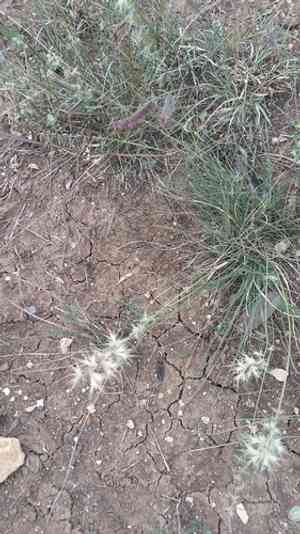
Texas grama (Bouteloua rigidiseta)
Also known as: Texas Grama, Purple Spike-mesquite
Texas grama grass (Bouteloua rigidiseta) is noted for its tufted growth and wiry, erect stems. It features narrow leaves and unique, comb-like seed heads that give it a rigid appearance. This grass is highly adaptable to dry, arid environments and poor soil conditions, showcasing significant drought resistance. These characteristics make it a resilient and integral part of its native grassland ecosystems in Texas and the southwestern United States.
In This Article
Attributes of Texas grama
Lifespan
Perennial
Plant Type
Grass
Plant Height
0 mm to 30 cm
Spread
0.2 to 0.3 meters
Leaf Color
Green
Flower Size
0.2 to 0.5 centimeters
Flower Color
Purple
Images of Texas grama
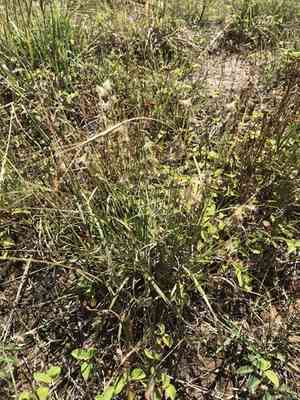
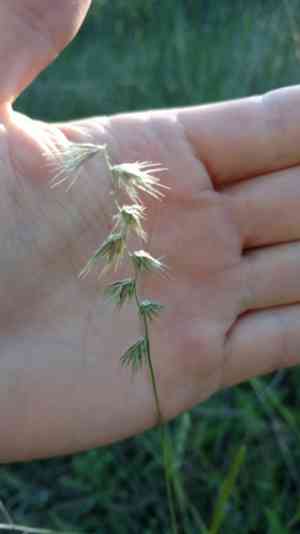
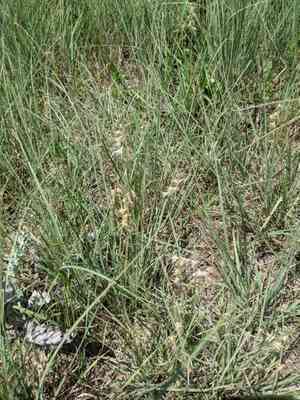
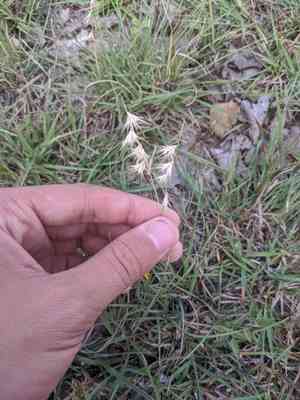
Quickly Identify Texas grama
1
Look for its distinctive purple flower spikes and narrow, green leaves. The plant usually grows in clumps and has a characteristic bunchgrass form.
Scientific Classification of Texas grama
Phylum
Vascular plants
Class
Monocotyledons
Order
Poales
Family
Grass
Genus
Grama grasses
Species
Texas grama
Planting and Growing of Texas grama
Care Difficulty
Easy
Watering Schedule
Every 2 days
Sunlight Requirements
Full sun
Sunshine Duration
4-8 hours
Ideal Temperature
68-86℉
Soil Type
Potting Mix, Peat Mix
Soil pH
6.5-7.5
Fertilizer Type
Balanced
Pruning Season
Spring, Summer
Pruning Area
Branches, Leaves
Pruning Frequency
2 times a year
Repotting Season
Spring
Pot Type
Plastic, Ceramic
 How to Water Texas grama?
For Bouteloua rigidiseta, or Texas Grama, it's essential to water just enough to moisten the soil without causing waterlogging. Typically, apply about 450 ml of water per session to ensure the soil remains adequately hydrated without being oversaturated.
What are the symptoms of an underwatered Texas grama?
›
What should I do if my Texas grama is not getting enough water?
›
What are the symptoms of an overwatered Texas grama?
›
How to save an overwatered Texas grama?
›
 What Are the Sunlight Requirements for Texas grama?
Ideal light involves full to partial sun exposure, promoting optimal growth. Regular 6-8 hours of sun strengthens Bouteloua rigidiseta, enhancing its ability to thrive with robust, visually pleasing growth.
What is the ideal light level for Bouteloua rigidiseta?
›
How can I achieve the ideal lighting conditions indoors?
›
What's the benefit of providing ideal light conditions?
›
 What Is the Ideal Temperature Range for Texas grama?
Bouteloua rigidiseta thrives best in temperatures ranging from 68°F to 86°F. This range supports optimal metabolic and photosynthetic activities, ensuring healthy growth and development. Maintaining this temperature range will provide an ideal environment for the plant’s physiological processes.
 What Soil is Best for Texas grama?
Bouteloua rigidiseta thrives in well-drained soils that prevent waterlogging. This requirement is crucial as it helps in avoiding root rot, thereby promoting healthy growth and longevity. While Bouteloua rigidiseta isn't overly demanding, having a nutrient-rich soil is advantageous as it provides essential minerals, enhancing the plant's growth and resilience to environmental stressors. The soil should retain moderate levels of moisture without becoming waterlogged. This ensures that Bouteloua rigidiseta has consistent access to water, which is crucial for maintaining its health, especially during dry spells.
 How to Fertilize Texas grama?
Bouteloua rigidiseta, commonly known as Texas grama, requires moderate fertilization. Use a balanced fertilizer with an N-P-K ratio of 10-10-10 or similar. For liquid fertilizers, apply at a rate of half a tablespoon per gallon of water per application. For slow-release granular fertilizers, about one pound per 100 square feet annually is sufficient. Be mindful not to over-fertilize as this grass thrives in poorer soils.
 How to Prune Texas grama?
Before diving into pruning, observe the natural growth pattern of Bouteloua rigidiseta, also known as Texas grama. This grass has a distinct arching shape and thin stems that contribute to its overall texture. Understanding its form allows you to enhance its natural beauty with mindful trimming. Use sharp, clean pruning shears to avoid tearing the delicate stems of Bouteloua rigidiseta. Dull tools can cause ragged cuts that encourage disease. For larger clumps, garden scissors or hedge trimmers might be more efficient. Ensure tools are sterilized to prevent disease transmission.
More About Pruning Techniques→
 How to Propagate Texas grama plant?
1
Gather mature seeds from the Bouteloua rigidiseta when they have fully ripened. Ensure they are dry and free from mold before storing or planting.
2
Select a healthy, mature plant for division. Water the plant thoroughly the day before to loosen the soil and make extraction easier.
3
Plant the seeds in a container filled with potting soil at a depth of twice their diameter. Keep the soil moist but not waterlogged, and provide adequate sunlight for germination.
 How to Repot Texas grama plant?
1
Signs that Bouteloua rigidiseta needs repotting include slowed growth, roots emerging from the drainage holes, and compacted soil. The ideal timing for repotting is during the growing seasons of spring or autumn when the plant is actively growing, making them better able to recover from root disturbance.
2
Choose a pot that is one size larger than the current one, with adequate drainage holes to prevent waterlogging. A slightly wider pot encourages healthy root spread and growth. Opting for terracotta can also help with moisture management, as this material allows more airflow to the roots.
3
Select a well-draining sandy soil mix that mimics the plant's natural habitat. Such soil minimizes risks of root rot by allowing excess water to escape quickly. Adding some perlite or coarse sand enhances aeration and improves soil structure, providing a robust foundation for new root development.



