How to Propagate Texas grama?
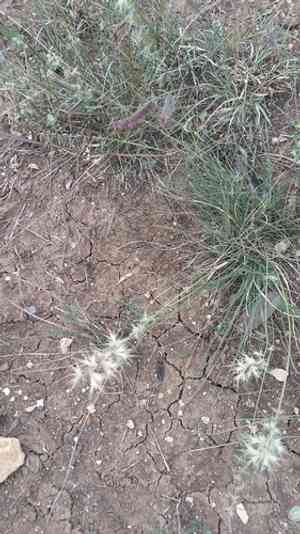
Bouteloua curtipendula, a resilient perennial grass, can be successfully multiplied via the division method. This process entails splitting the mature plant into smaller portions, making sure each new segment possesses a robust root system and multiple sprouts. Following division, these segments ought to be immediately re-planted at the identical depth they previously occupied to foster proper rooting. Consistent irrigation and reducing transplant stress by maintaining damp soil will aid the young plants in flourishing.
When Is the Optimal Time to Propagate Texas Grama?
Propagation Method
Division
Propagation Period
Spring,Autumn
What Implements Are Utilized in Texas Grama Propagation?
Sharp Garden Spade or Knife
This instrument is vital for cleanly separating the root system of texas grama, ensuring minimal harm to the roots. A keen edge facilitates precise cuts, which is crucial for maintaining plant health and encouraging faster recovery and growth post-division.
Hand Trowel
Employed to gently lift and detach smaller clusters of texas grama from the parent plant. The hand trowel enables more delicate work in confined areas, ensuring root systems remain intact, which is essential for the successful establishment of new plants.
Garden Fork
Perfect for loosening the soil around texas grama prior to division, making it easier to lift clumps from the soil with minimal root disturbance. This tool aids in aerating the soil, which benefits root growth after transplant.
Watering Can with a Fine Rose
Crucial for providing gentle, uniform watering after division to ensure texas grama does not suffer from water stress, which can affect root development and plant establishment. The fine rose attachment helps distribute water without disrupting the soil or newly planted divisions.
Rooting Hormone (optional)
While not always required, applying a rooting hormone to the cut surfaces of texas grama's roots can encourage quicker root development and help establish divisions more rapidly. It is particularly advantageous when propagating plants that are slow to establish or have been stressed.
Labeling Stakes and Marker
Important for tracking divided plants, especially if propagating multiple species or varieties. Labeling assists in monitoring progress and maintaining proper organization in the propagation area.
How to Propagate Texas Grama?
Propagation Difficulty
Easy
How to Care for Your Newly Propagated Texas Grama?
How to Care for Your Newly Propagated Texas Grama?
Following propagation, continue to monitor soil moisture and provide water when the top inch feels dry. Texas grama thrives in full sun, so ensure the location receives ample sunlight. Fertilization isn't typically necessary, but an annual application of a balanced, slow-release fertilizer can be applied if growth appears sluggish. Finally, control weeds around texas grama to minimize competition for nutrients and water.
Common Errors to Avoid When Propagating Texas Grama
Overwatering
Excessive irrigation can lead to root rot in texas grama, which prefers drier conditions. This can severely impede root development and reduce survival rates during propagation.
Using poor soil mix
Employing a soil mix that drains poorly or isn't suited to texas grama's natural environment can prevent roots from properly establishing. Inadequate soil conditions can foster fungal growth and poor root health, impairing overall plant vigor.
Deep planting
Planting the seeds or young plants of texas grama too deeply can hinder adequate light exposure, which is necessary for germination and early growth. This can result in weak seedling vigor and reduced germination rates.
Tips For Propagating Texas Grama
Appropriate soil medium
Utilize a well-draining sandy soil mix, mimicking texas grama's natural habitat, to promote healthy root development and prevent waterlogging. Proper soil conditions are vital for successful growth and establishment.
Adequate sunlight
Ensure texas grama receives abundant sunlight, as it flourishes in full sun exposure. Sufficient light is essential for robust growth and successful seed germination.
Moderate watering
Water texas grama moderately to emulate the dry conditions of its native habitat. Provide enough moisture to support growth without over-saturating the soil, helping to prevent issues like root rot and fungal diseases.



